Intelligent Liver Care
Liver Cirrhosis vs. Liver Fibrosis: Understanding the Stages of Liver Damage
1. Introduction
The liver is the body’s ultimate multitasker, responsible for over 500 vital functions, including detoxification, metabolism, and digestion. However, when the liver face persistent injury—whether from lifestyle choices or illness—it attempts to heal itself through a process that creates scar tissue.
This process begins as Liver Fibrosis and, if left unchecked, can progress to Liver Cirrhosis. Understanding the transition between these two stages is the key to preventing permanent organ failure.
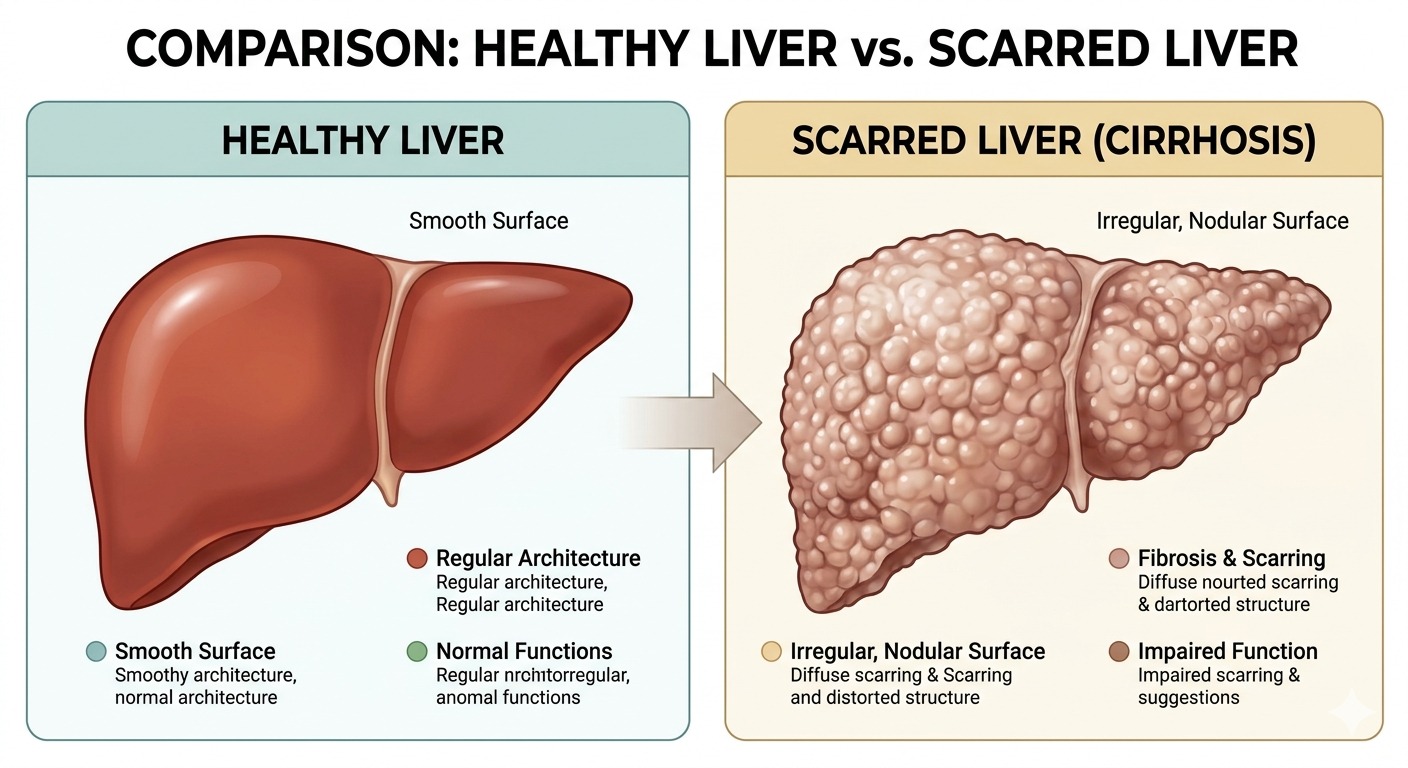
Comparison: A smooth, healthy liver compared to a nodular, scarred liver.
2. What is Liver Fibrosis? (The Warning Stage)
Liver fibrosis is the initial stage of liver scarring. It occurs when the liver is repeatedly injured, causing an accumulation of excess extracellular matrix proteins (like collagen).
- The Process: Think of it like a "callous" forming on your hands.
- Liver Function: At this stage, the liver is still remarkably resilient and can perform most of its duties.
- Reversibility: Most importantly, fibrosis is often reversible if the underlying cause is addressed early.
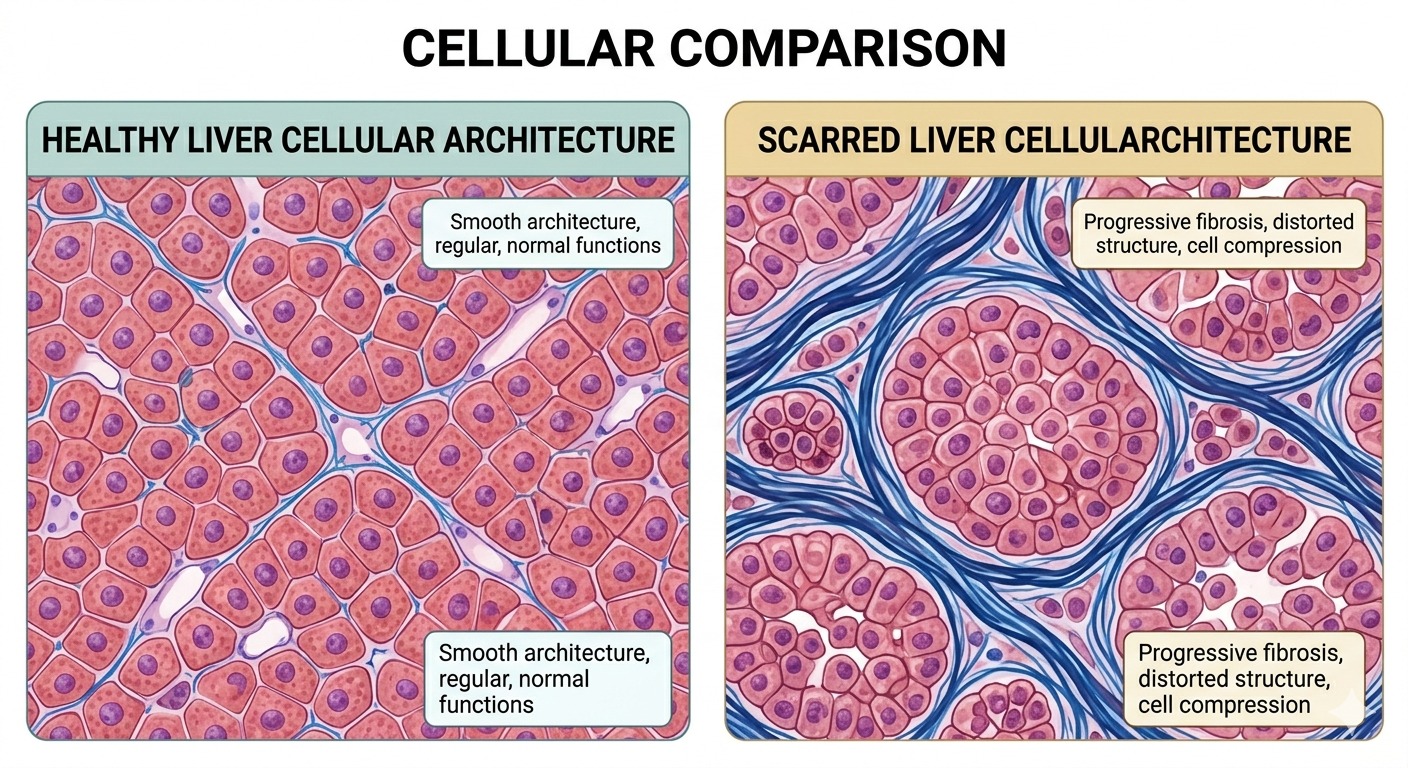
Microscopic View: Healthy liver cells being surrounded by fibrotic collagen streaks.
3. What is Liver Cirrhosis? (The Advanced Stage)
Cirrhosis is the late stage of hepatic fibrosis. By this point, the scarring has become so extensive that it replaces healthy liver tissue with hard, regenerative nodules.
- Physical Change: The liver becomes shrunken, hard, and lumpy.
- The "Dam" Effect: The scar tissue acts like a dam, blocking the flow of blood through the organ. This leads to Portal Hypertension (high blood pressure in the liver's vein system).
- Critical Risk: Once the liver reaches this stage, the risk of liver failure and liver cancer increases significantly.
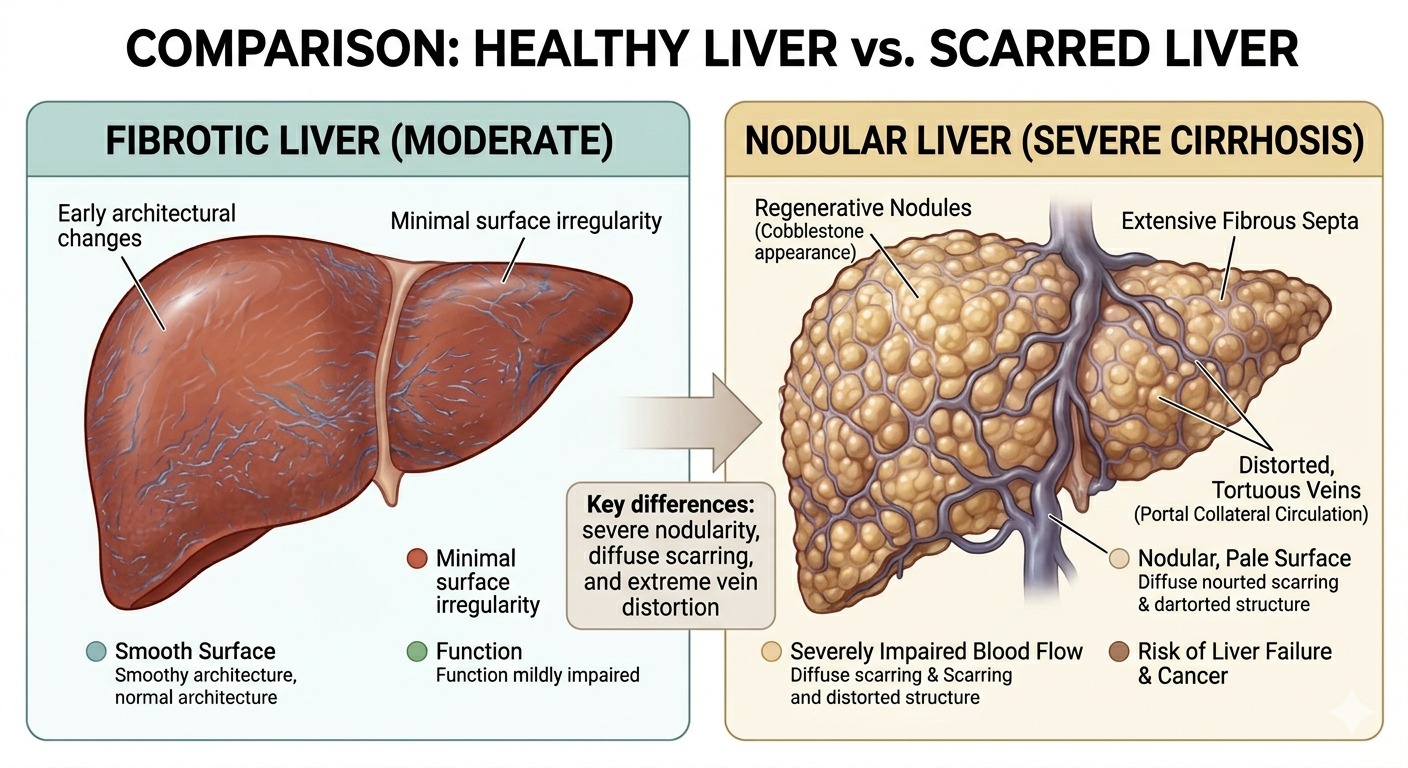
Advanced View: A nodular liver with distorted veins characteristic of cirrhosis.
4. Key Differences: Fibrosis vs. Cirrhosis
To help you differentiate at a glance, here is a breakdown of how these two conditions compare across various metrics:
Comparison Table
| Feature | Liver Fibrosis | Liver Cirrhosis |
|---|---|---|
| Development | Early to middle stage of scarring | Final/Advanced stage of scarring |
| Reversibility | Potentially reversible | Generally considered irreversible |
| Organ Structure | Shape remains mostly intact | Distorted, lumpy, and shrunken |
| Blood Flow | Generally normal | Significantly obstructed |
| Symptoms | Usually "Silent" (asymptomatic) | Obvious and severe symptoms |
5. Symptoms Comparison: What to Watch For
The danger of liver disease is its "silent" nature in the early years.
Fibrosis Symptoms (Mild/Early)
- Often no symptoms at all
- Mild fatigue or exhaustion
- Dull ache in the upper right abdomen
- Slightly elevated liver enzymes in routine blood work
Cirrhosis Symptoms (Advanced/Severe)
- Jaundice: Yellowing of the skin and eyes
- Ascites: Fluid buildup causing a swollen abdomen
- Edema: Swelling in the legs and ankles
- Cognitive Issues: Confusion or "brain fog" (Hepatic Encephalopathy)
- Hematemesis: Vomiting blood due to ruptured veins in the esophagus
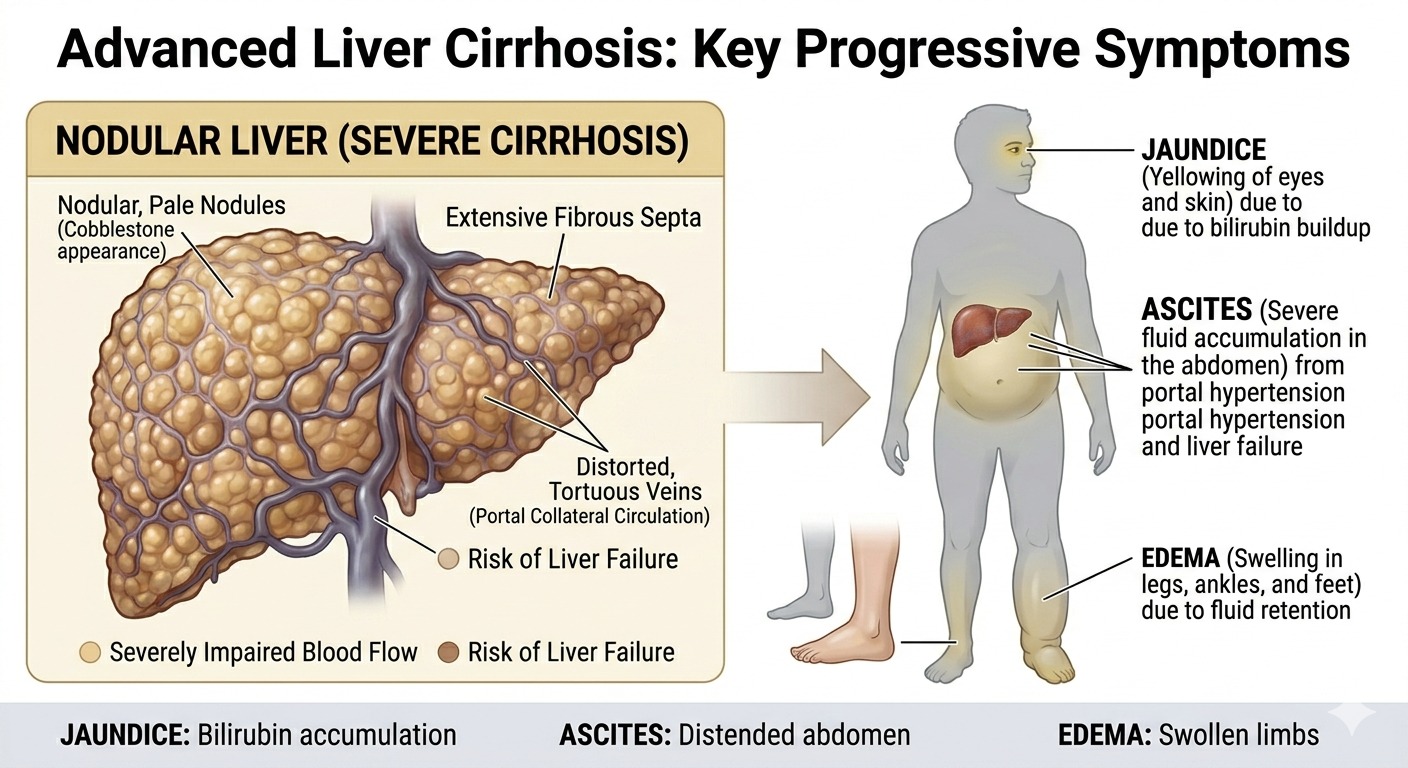
Symptom Map: Key physical indicators of advanced liver damage.
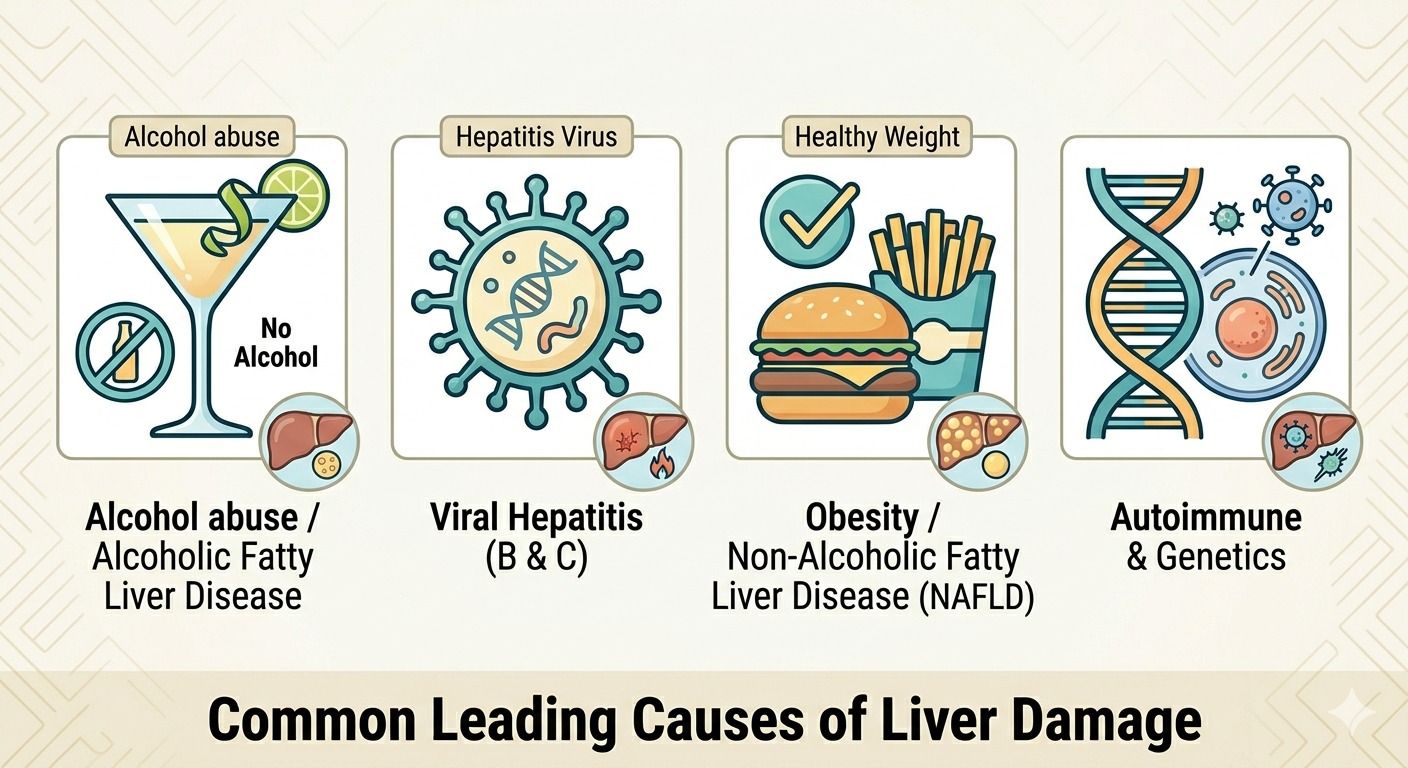
6. Common Causes of Liver Damage
The triggers for both conditions are identical; the difference is simply the duration and intensity of the damage.
- Chronic Alcohol Consumption: Excessive drinking over years causes fat buildup and inflammation
- Viral Hepatitis (B & C): Chronic viral infections that slowly "eat away" at liver health
- NAFLD/NASH: Non-alcoholic fatty liver disease, primarily driven by obesity, high sugar intake, and diabetes
- Autoimmune Diseases: Where the body’s immune system mistakenly attacks liver cells.
7. Can Fibrosis Turn Into Cirrhosis?
Absolutely. In fact, cirrhosis is almost always preceded by fibrosis.Think of it like a house fire:
- Fibrosis is the smoke and small flames in one room. If you use an extinguisher (treatment) now, you save the house.
- Cirrhosis is when the fire has reached the structural beams. The house is still standing, but the damage is structural and much harder to fix.
8. Which Condition is More Dangerous?
While both require medical attention, Liver Cirrhosis is significantly more dangerous. Fibrosis is a "warning light" on your dashboard. Cirrhosis is the "engine failure." However, even with cirrhosis, modern medicine allows for "Compensated Cirrhosis," where a patient can live a normal life for years if they strictly follow a treatment plan to prevent the liver from "Decompensating" (failing completely).
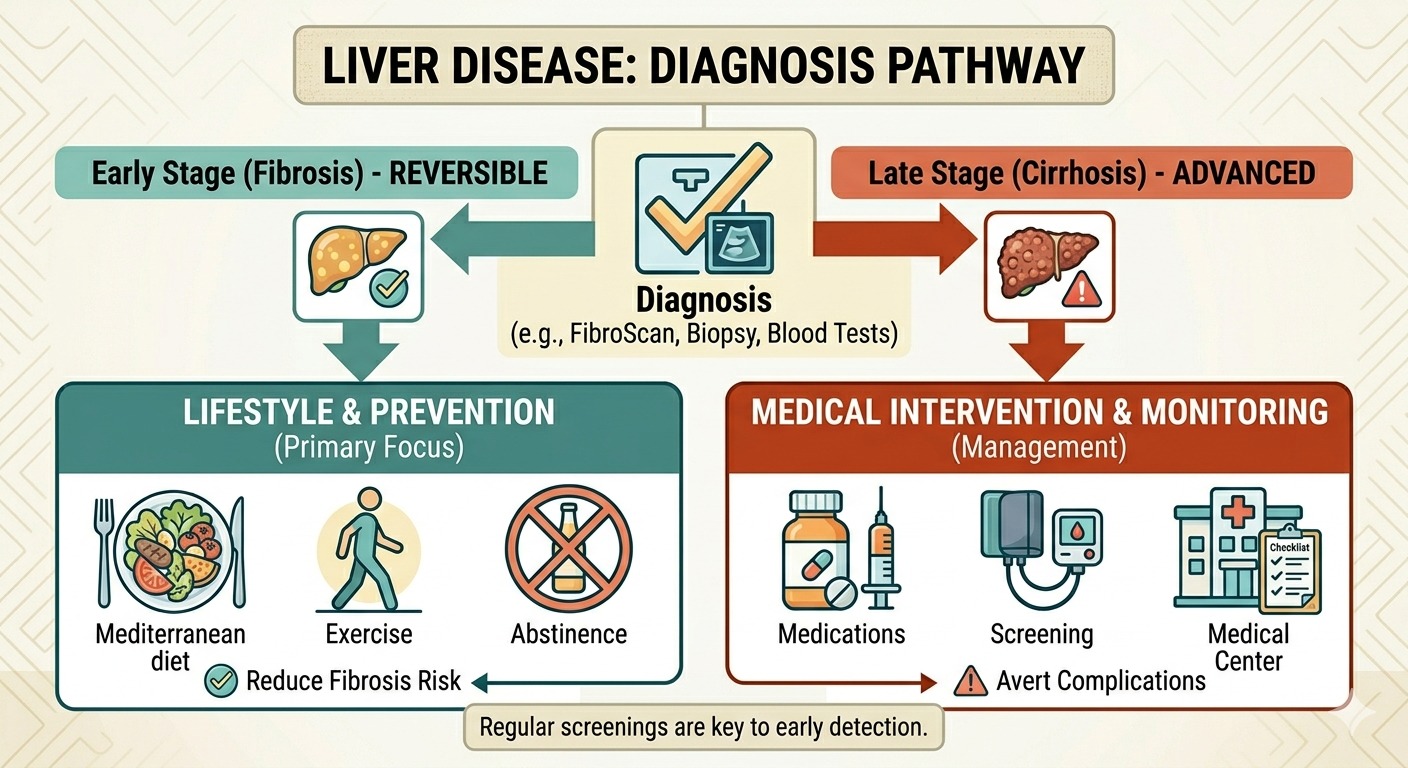
9. Treatment Options and Management
For Liver Fibrosis
- Eliminate the Cause: Stop alcohol consumption or start antiviral therapy for Hepatitis.
- Lifestyle Overhaul: A Mediterranean-style diet and 150 minutes of exercise per week to reduce liver fat.
- Monitoring: Regular scans to ensure the scarring isn't progressing.
For Liver Cirrhosis
- Fluid Management: Low-sodium diets and diuretics (water pills).
- Portal Hypertension Meds: Beta-blockers to prevent internal bleeding.
- Cancer Screening: Ultrasounds every 6 months to catch tumors early.
- Transplant: The final option when the liver can no longer support life.
10. Prevention Tips: Protecting Your "Chemical Plant"
- Maintain a Healthy Weight: Fatty liver is currently the leading cause of liver transplants in many countries.
- Limit Alcohol Consumption: Practice "dry days" and stick to moderate limits.
- Get Vaccinated: Hepatitis A and B are preventable through simple vaccinations.
- Safe Practices: Avoid sharing needles or personal items like razors to prevent blood-borne viruses.
11. Frequently Asked Questions (FAQs)
Q: Can liver fibrosis be reversed?
Yes. Research shows that if the primary cause (like obesity or alcohol) is removed, the liver can break down scar tissue and return to a healthy state.
Q: Is cirrhosis always a "death sentence"?
No. With early diagnosis, many people live for decades with cirrhosis. It requires strict medical adherence and lifestyle changes.
Q: How do doctors check for scarring without surgery?
A: We use a technology called FibroScan (Transient Elastography). It works like an ultrasound to measure the "stiffness" of your liver—the stiffer the liver, the more the scarring.
12. Conclusion: The Power of Regeneration
The journey from a healthy liver to cirrhosis doesn't happen overnight; it is a slow, quiet struggle that takes place over years. The transition from fibrosis (the repairable zone) to cirrhosis (the management zone) is the most critical window in your health journey.
By focusing on early detection and respecting this incredible organ, you can stop the clock on liver damage.
Expert Insight: "The liver is the only organ in the human body that can regenerate itself completely from as little as 25% of healthy tissue. Respect it, give it the right environment, and it will heal."
Disclaimer: This content is for informational purposes and does not replace professional medical advice. Always consult with a hepatologist for diagnosis.
Looking for a Smarter Way to Track Liver Health?
Try it stress-free — We never modify medical data without your confirmation.
