Blog Post Details Page

05:19 PM | September 19, 2026 88 Views
2026 Young Adult Liver Health Report: The Impact of Ultra-Processed Foods and Microplastics
Being young does not automatically mean having a healthy liver.
Steatotic liver disease, particularly metabolic dysfunction-associated steatotic liver disease (MASLD), is increasingly being recognised in younger people. At the same time, modern diets contain more highly processed foods, while exposure to microplastics has become an important environmental-health research question.
But these two issues should not be treated equally. There is growing evidence connecting high ultra-processed food intake with metabolic and liver-related outcomes. By contrast, research into microplastics and human liver disease is still emerging.
This 2026 report explains what is established, what is concerning but uncertain, and what young adults can realistically do to protect liver health.
Ultra-processed foods may contribute to poorer liver health by promoting excess energy intake, metabolic dysfunction and liver fat accumulation. Evidence linking higher ultra-processed food consumption with MASLD is growing, including recent meta-analyses. Microplastics have been detected in human tissues and show potentially harmful effects in laboratory studies, but whether ordinary environmental exposure causes liver disease in humans remains unproven.
What Is Young Adult Liver Health?
Definition
Young adult liver health refers to maintaining normal liver structure and function during early adulthood, commonly considered the period from the late teens through the 20s and 30s.
The liver regulates metabolism, processes nutrients and medicines, produces important proteins and helps remove waste products. Liver problems can therefore develop even before symptoms become noticeable.
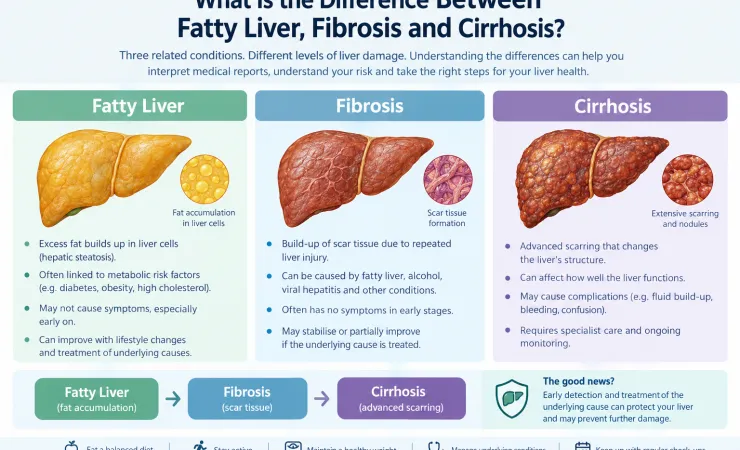
One important condition is MASLD, in which excess fat accumulates in the liver in association with metabolic risk factors.
Why It Matters
Recent research suggests that steatotic liver disease is not exclusively a middle-aged or older-adult problem.
A US analysis of adolescents and young adults aged 12–29 found MASLD in a substantial proportion of participants with cardiometabolic risk factors. In that study, prevalence was higher among older young adults than adolescents.
A separate large Korean cohort found MASLD in about one-quarter of adults aged 20–39, illustrating how significant the condition can be in younger populations.
These studies do not mean that every young adult is at high risk. They demonstrate why age alone should not be used to dismiss metabolic or liver abnormalities.
Key Facts About Ultra-Processed Foods and the Liver
Ultra-processed foods are industrially formulated products that commonly contain refined ingredients, additives and combinations designed to improve taste, convenience, texture or shelf life.
Examples can include some packaged snacks, confectionery, sugary drinks, ready-to-eat meals and other highly formulated products. Not every processed food is unhealthy, and food processing itself is not automatically harmful.
The important issue is the overall dietary pattern.
The WHO recommends diets based largely on a variety of nutritious foods such as vegetables, fruit, pulses and whole grains, while limiting foods high in free sugars, unhealthy fats and sodium.
What Does the Research Show?
A 2025 systematic review and meta-analysis involving more than 500,000 participants found that higher ultra-processed food consumption was associated with greater risk of NAFLD, although the researchers noted substantial variation between studies and the need for better longitudinal research.
A newer meta-analysis published in 2026 analysed seven prospective studies involving more than 1.2 million participants. Higher ultra-processed food consumption was associated with a higher long-term risk of MASLD. The authors described the evidence as preliminary and did not establish that ultra-processed foods directly cause MASLD.
That distinction matters.
Association is not the same as causation.
What About Microplastics and Liver Health?
Microplastics and nanoplastics are extremely small plastic particles that can enter the environment through the breakdown of larger plastic materials and other sources.
People may encounter them through food, water and air.
The scientific question is no longer simply whether exposure occurs. Researchers are investigating what happens after exposure and whether these particles have clinically important effects.
What Scientists Know
WHO has previously identified microplastics as an emerging environmental-health issue and highlighted important gaps in knowledge about exposure and health effects.
More recent research has detected micro- and nanoplastics in human biological materials, while researchers continue to face difficulties standardising detection and measurement techniques.
A 2026 review specifically examining microplastics and liver disease reported that human liver tissue has been found to contain microplastics and nanoplastics. Laboratory and animal research suggests possible pathways involving oxidative stress, inflammation and fibrosis. However, the authors also emphasised major methodological and evidence gaps.
What Has Not Been Proven?
There is currently not enough human evidence to say that everyday microplastic exposure causes fatty liver, fibrosis, cirrhosis or liver cancer.
This is one of the most important distinctions in the 2026 discussion.
Laboratory findings can help scientists identify possible biological mechanisms, but they cannot automatically predict what a particular level of environmental exposure will do in humans.
Symptoms, Causes and Risk Factors
Common Symptoms
Early MASLD may cause no obvious symptoms.
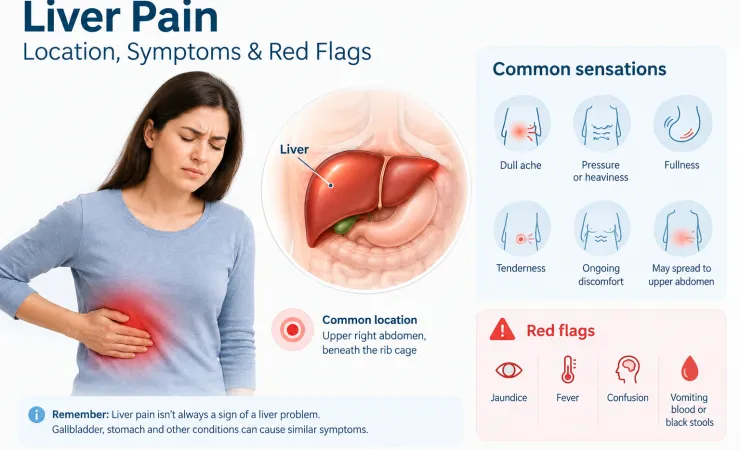
When symptoms occur, they can be non-specific, such as fatigue or discomfort in the upper-right abdomen.
More advanced liver disease can produce signs such as jaundice, abdominal swelling, leg swelling, easy bruising or confusion.
The absence of symptoms does not necessarily mean the liver is completely healthy.
Main Risk Factors
Important metabolic risk factors include:
Overweight or obesity
Insulin resistance or type 2 diabetes
High triglycerides or other abnormal blood lipids
High blood pressure
Physical inactivity
Unhealthy dietary patterns
Excess alcohol consumption
Young adults can also have genetic, medication-related or other causes of liver disease that have nothing to do with ultra-processed foods or microplastics.
Where Ultra-Processed Foods Fit
Ultra-processed foods may contribute indirectly through excessive energy intake and poorer overall dietary quality. Research also connects high consumption with obesity and metabolic abnormalities that themselves increase the likelihood of MASLD.
The strongest practical message is therefore not “one packaged food damages your liver”.
It is that a long-term dietary pattern dominated by energy-dense, nutrient-poor foods may increase metabolic risk.
Diagnosis and Testing
Diagnostic Methods
A doctor may consider:
Medical and family history
Alcohol intake
Weight and waist measurements
Blood pressure
Blood glucose or HbA1c
Lipid profile
ALT and AST
Other liver tests
Ultrasound or other imaging when appropriate
Non-invasive fibrosis assessment in selected patients
Young adults should not order repeated liver tests simply because they have eaten processed food or worry about microplastics.
Testing should be guided by symptoms, risk factors and clinical assessment.
Understanding Results
A normal ALT does not necessarily exclude every form of liver disease.
Likewise, an abnormal ALT does not automatically prove fatty liver.
Results need to be interpreted alongside metabolic risk factors, alcohol intake, medications, imaging and, when appropriate, fibrosis assessment.
Treatment and Management
Medical Treatment
There is no medicine specifically designed to remove microplastics from the liver.
Similarly, there is no single treatment for “ultra-processed-food-related liver damage”.
When MASLD is diagnosed, treatment focuses on the underlying metabolic risk profile and appropriate lifestyle and medical management.
Lifestyle Management
For most young adults, prevention begins with achievable dietary and activity changes.
Rather than trying to eliminate every packaged product, focus on improving the overall pattern:
Eat more vegetables, fruit, pulses and whole grains.
Choose minimally processed foods more often.
Replace sugary drinks with water or other suitable unsweetened options.
Reduce frequent consumption of heavily processed snacks.
Choose healthier sources of dietary fat.
Maintain regular physical activity.
Avoid excessive alcohol.
Address obesity, diabetes, high blood pressure and abnormal cholesterol when present.
WHO's current healthy-diet guidance emphasises adequacy, balance, moderation and diversity, rather than an unnecessarily restrictive approach.
Monitoring Progress
For people already being investigated for liver disease, keeping previous blood-test results can make changes easier to discuss with a clinician.
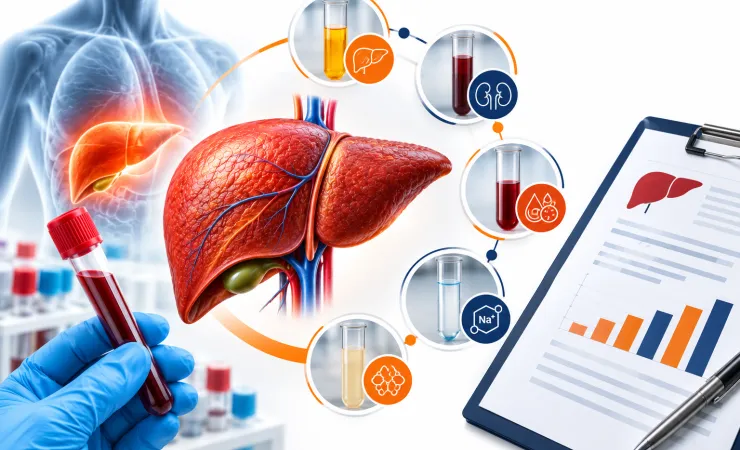
Digital tools such as the Liverlytics mobile applicationcan be used as a supportive record-keeping tool for liver-health information, historical laboratory data, trend graphs and date-range comparisons. For people with chronic liver disease, it may also help organise information such as MELD 3.0 scores and sodium results and generate reports for consultations.
It should be viewed only as an organisational aid—not as a diagnostic system or substitute for medical advice.
Practical Tips for Young Adults
A realistic liver-health checklist is more useful than trying to achieve a “perfect” diet.
Try the 5-step approach:
Make water your default drink.
Add a fruit or vegetable to meals.
Include pulses, whole grains or other minimally processed foods regularly.
Keep ultra-processed snacks and sugary drinks as occasional rather than dominant parts of your diet.
Stay physically active and monitor metabolic risk factors if you have them.
For someone eating mostly packaged food because of university, work or financial constraints, gradual substitutions may be more realistic than completely changing their diet overnight.
Common Mistakes and Misconceptions
“I am young, so I cannot have fatty liver.”
False. Studies have identified MASLD in adolescents and young adults.
“All processed food is unhealthy.”
Not necessarily. Processing includes many ordinary and useful methods. The concern is particularly with dietary patterns dominated by highly processed, energy-dense foods.
“Microplastics definitely cause liver disease.”
Not established. Current research supports concern and further investigation, but human causal evidence remains limited.
“A liver detox can remove toxins and microplastics.”
There is no established clinical evidence that commercial detox products remove microplastics from the liver.
“I need to avoid plastic completely.”
Complete avoidance is unrealistic. A sensible approach is to follow established food-safety and healthy-diet practices rather than pursuing unproven detoxification strategies.
When Should You Speak to a Doctor?
Speak to a healthcare professional if you have persistent abnormal liver tests or risk factors such as obesity, diabetes or significant alcohol use.
Seek prompt medical attention for symptoms such as:
Yellowing of the skin or eyes
Significant abdominal swelling
Severe or persistent abdominal pain
Vomiting blood or passing black stools
New confusion or marked drowsiness
Unexplained bleeding
Rapid deterioration in your general condition
These symptoms can have causes requiring urgent assessment and should not simply be attributed to diet or environmental exposure.
Expert Insights: What the 2026 Evidence Really Tells Us
The biggest gap in online discussions is the tendency to put strong dietary evidence and emerging microplastic research in the same evidence category.
They are not equivalent.
For ultra-processed foods, multiple observational studies and recent meta-analyses consistently suggest an association with steatotic liver disease. However, much of the evidence remains observational, meaning confounding and dietary-measurement limitations remain possible.
For microplastics, the scientific picture is earlier-stage. Human exposure is increasingly documented, and laboratory research identifies plausible biological mechanisms. Yet researchers still need better exposure measurements, standardised detection methods and well-designed longitudinal human studies before firm conclusions about liver disease can be made.
This distinction is important for responsible health communication.
People Also Ask
Can ultra-processed food cause fatty liver?
Higher consumption is associated with a greater risk of fatty liver/MASLD in observational research, but this does not prove that individual ultra-processed foods directly cause liver disease.
Are young adults at risk of fatty liver?
Yes. Research has identified MASLD among adolescents and young adults, particularly where metabolic risk factors are present.
Do microplastics damage the liver?
Laboratory and experimental research suggests potentially harmful effects on liver cells and pathways, but the clinical consequences of ordinary human exposure remain uncertain.
Can drinking water contain microplastics?
Microplastics have been detected in both bottled and tap water, and WHO has identified the need for better research into their potential health effects.
How can I protect my liver in my 20s?
Focus on a balanced diet, regular physical activity, healthy weight management, appropriate alcohol intake and management of metabolic conditions such as diabetes and high cholesterol.
Can a healthy diet reverse fatty liver?
Lifestyle changes can improve metabolic health and liver fat in people with MASLD, but the appropriate plan depends on the individual and the stage of disease.
Frequently Asked Questions
Does eating packaged food every day cause liver damage?
Not automatically. The overall dietary pattern, energy intake, metabolic health and other risk factors matter more than a single packaged food.
Are instant noodles bad for the liver?
Eating instant noodles occasionally does not by itself establish liver damage. However, frequent reliance on highly processed meals may contribute to a diet high in sodium, refined carbohydrates or unhealthy fats.
Are sugary drinks worse for liver health?
Frequent consumption of sugar-sweetened beverages can contribute to excess sugar and energy intake and has been associated with metabolic risk. Studies in young adults have also investigated links between high-fructose beverages and liver fat.
Can thin people develop fatty liver?
Yes. Body weight is only one factor. Metabolic health, genetics, diet, alcohol, physical activity and other factors can influence liver risk.
Should young adults get liver tests every year?
There is no universal recommendation that every healthy young adult needs annual liver testing. Testing should be based on individual risk factors, symptoms and clinical judgement.
Can microplastics be removed from the body?
There is currently no established medical treatment that can be recommended to remove microplastics from the liver or body.
Should I stop using plastic food containers?
Reducing unnecessary plastic exposure may be a reasonable environmental choice, but there is not enough evidence to recommend extreme avoidance specifically to prevent liver disease.
Is a liver detox necessary after eating processed foods?
No established medical evidence supports commercial liver-detox products for removing the effects of ordinary dietary exposure. The liver already performs its normal metabolic and detoxification functions.
Key Takeaways
Young adults can develop steatotic liver disease.
Higher ultra-processed food consumption is increasingly associated with MASLD in research.
The evidence for ultra-processed foods is substantially stronger than the evidence for microplastics and human liver disease.
Microplastics are an important emerging research area, but causation of liver disease in humans has not been established.
A healthy dietary pattern matters more than obsessing over individual foods.
Regular activity, metabolic health and appropriate alcohol consumption remain important liver-health priorities.
Avoid unproven detox products marketed as ways to “clean” the liver.
Persistent abnormal liver tests or concerning symptoms warrant professional assessment.
Keeping organised health records can help patients have more productive conversations with clinicians.
Conclusion
The 2026 picture of young adult liver health is less about one new “liver toxin” and more about understanding several overlapping risks.
The evidence increasingly supports paying attention to dietary patterns rich in ultra-processed foods, particularly because of their relationship with metabolic health and MASLD. At the same time, microplastics deserve continued scientific investigation, but current evidence does not justify claiming that everyday microplastic exposure causes liver disease.
For young adults, the practical message is straightforward: build a diet around diverse, minimally processed foods, stay physically active, manage metabolic risk factors, avoid excessive alcohol and seek medical advice when liver abnormalities or symptoms appear.
The goal is not perfection. It is reducing established risks while allowing science to catch up with emerging questions about environmental exposures.

“ Act only according to that maxim whereby you can, at the same time, will that it should become a universal law. ”
— Immanuel Kant
Let’s Get in Touch
Your email address will not be published. Required fields are marked *
Recent Post

Looking for a Smarter Way to Track Liver Health?
Try it stress-free — We never modify medical data without your confirmation.

Comments :
Ooops!
No comments found.