Intelligent Liver Care
Liver Health Journey: From Fibrosis to Life-Saving Transplant
1. Introduction: The Silent Progression of Liver Damages
The human liver is a chemical powerhouse, but it is not invincible. When the liver is subjected to chronic injury—most commonly from long-term alcohol use—it attempts to repair itself through a process of scarring.
What begins as Liver Fibrosis (early-stage scarring) can eventually harden into Alcoholic Cirrhosis (late-stage failure). When the organ can no longer perform its 500+ vital functions, a Liver Transplant becomes the final, life-saving frontier.
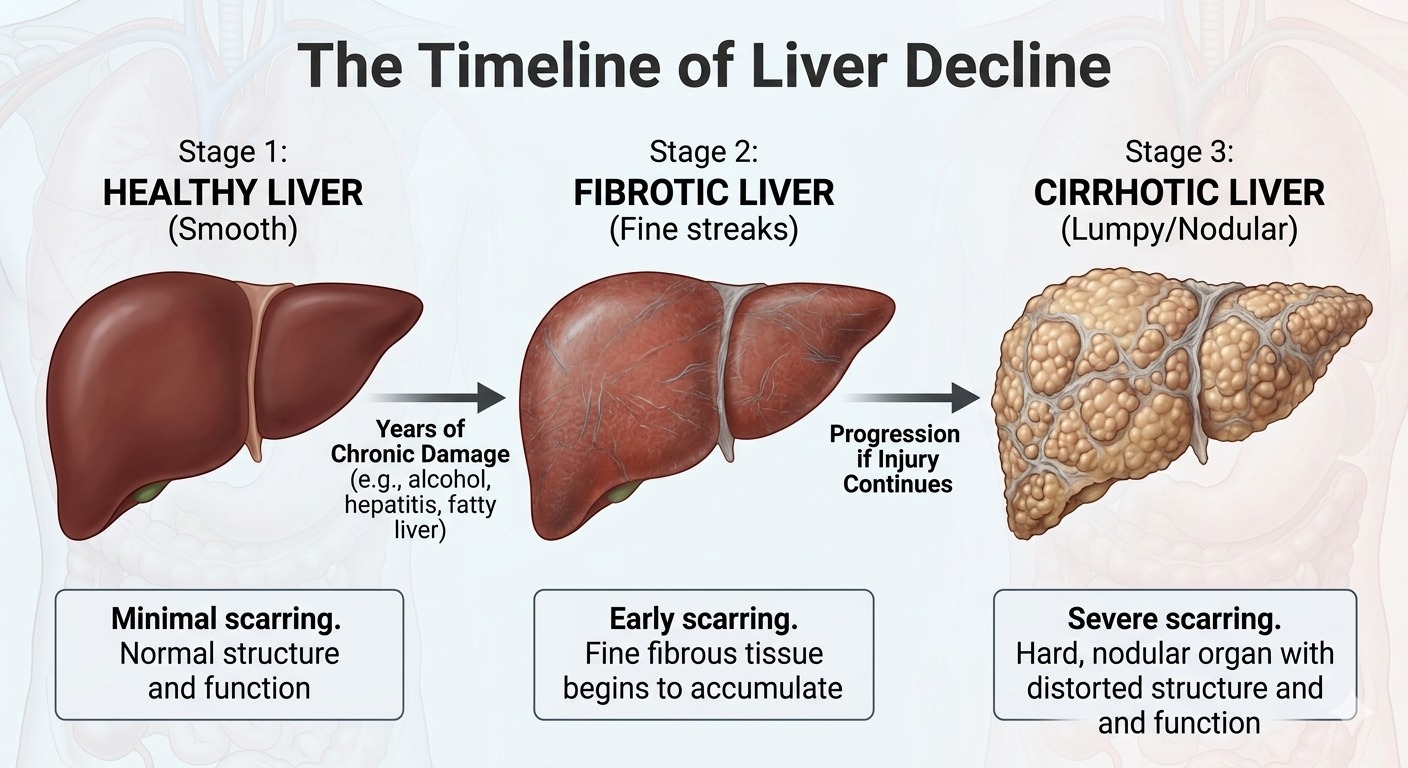
2. Liver Fibrosis vs. Alcoholic Cirrhosis: The Threshold of Reversibility:
Understanding where a patient stands on the liver health timeline is the difference between a lifestyle change and major surgery.
What is Liver Fibrosis? (The Warning Phase)
Fibrosis is the initial healing response of the liver. Think of it as "internal callouses." Right now, the liver structure is still mostly intact.
- Status: Usually silent (no symptoms).
- Outcome: Highly Reversible if the cause (alcohol) is removed immediately.
What is Alcoholic Cirrhosis? (The Advanced Phase)
Cirrhosis occurs when the scarring is so dense that it chokes off blood flow. The liver becomes hard, shrunken, and nodular.
- Status: Noticeable symptoms (jaundice, swelling).
- Outcome: Generally irreversible, requiring medical management or a transplant.
3. When is a Liver Transplant the Only Option?
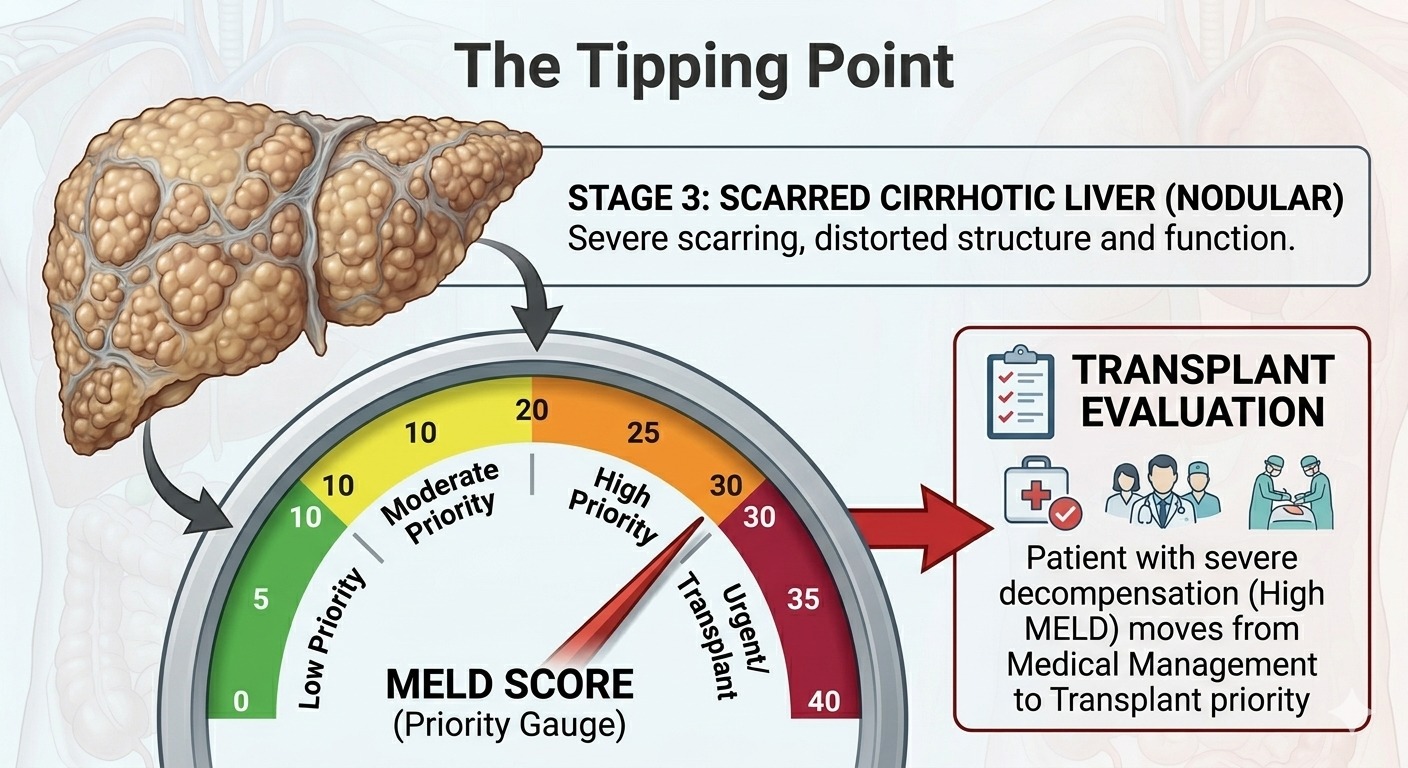
A transplant is considered when a patient moves into "Decompensated Cirrhosis." At this point, the liver's "backup systems" have failed.
The MELD Score: How urgency is Measured
Medical teams use the MELD Score (Model for End-Stage Liver Disease) to prioritize patients. It is a mathematical calculation based on blood tests:
- Bilirubin: Waste processing levels.
- INR: Blood clotting speed.
- Creatinine: Kidney health.
Clinical "Red Flags" for Transplant:
- Ascites: Uncontrolled fluid buildup in the abdomen.
- Hepatic Encephalopathy: Mental confusion due to toxin buildup in the brain.
- Variceal Bleeding: Internal bleeding from veins in the esophagus.
4. Eligibility: The Road to the Transplant Waitlist
Because donor organs are a precious resource, the selection process is a rigorous "Contract for Life."
The "Six-Month Rule" for Sobriety
Most transplant boards require a minimum of 6 months of documented abstinence from alcohol before a patient is eligible for listing. This period allows the body to stabilize and ensures the patient is committed to protecting the new organ.
Comprehensive Selection Criteria:
- Cardiopulmonary Fitness: Ensuring the heart and lungs can survive a complex 8-hour surgery.
- Psychosocial Readiness: Evaluating the patient's support system and mental health stability.
- Nutrition: Correcting the malnutrition often associated with chronic liver disease.
5. Types of Procedures: Living vs. Deceased Donors
There are two primary ways a patient can receive a healthy liver graft:
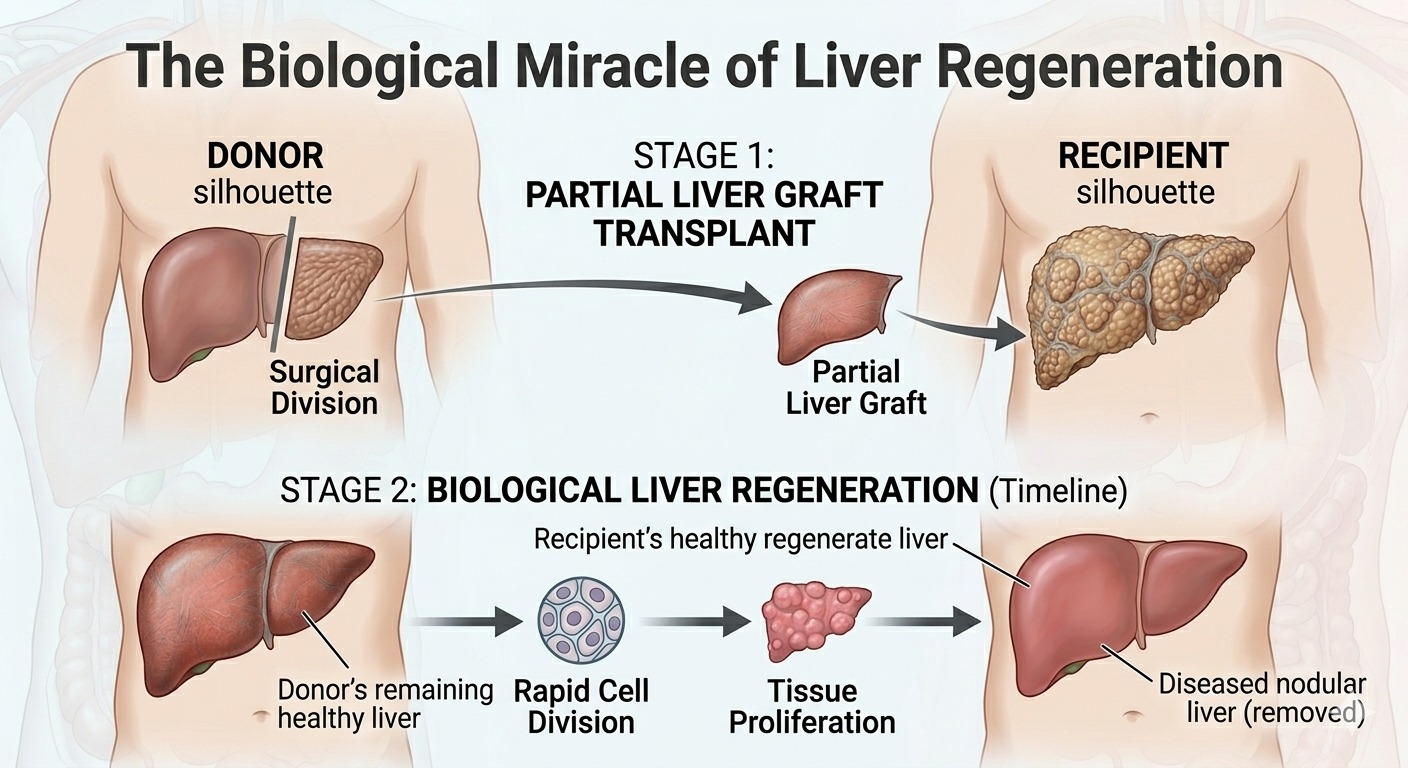
A. Living Donor Transplant
A healthy relative donates a portion of their liver. Because the liver can regenerate, both the donor's and the recipient's liver pieces grow to full size within weeks.
B. Deceased Donor Transplant
An organ is received from an individual who has passed away. These organs are allocated based on the severity of the recipient's MELD score.
6. Life After Transplant: Success and Maintenance
A transplant is a triumph of modern medicine, but it requires lifelong discipline.
- Survival Rates: 1-Year survival is approximately 88–92%, while 5-Year survival is roughly 75–82%.
- Immunosuppressants: Lifelong medications are required to prevent the body from rejecting the new liver.
- The Zero-Alcohol Rule: Total abstinence is non-negotiable. Even a small amount of alcohol can trigger an immune response or damage the new graft.
7. Common FAQ
Can you get a liver transplant if you have alcoholic cirrhosis?
Yes. Alcoholic cirrhosis is a common indication for transplant. Eligibility is based on total sobriety, physical health, and the ability to follow a strict post-operative medical plan.
How long is the ICU stay after a liver transplant?
Typically, patients spend 3 to 7 days in the ICU for stabilization, with a total hospital stay of about 2 to 3 weeks.
What disqualifies you for a liver transplant?
- Ongoing alcohol/drug use
- Severe heart, lung, or kidney disease
- Active cancer outside the liver
- Poor social support or inability to follow medical advice
How long can a liver survive before a transplant?
A donor liver can survive 12–18 hours in cold storage, up to 24 hours with advanced preservation.
What are the top 3 indications for liver transplant?
- Alcoholic cirrhosis
- Viral hepatitis (B & C)
- Non‑alcoholic fatty liver disease (NAFLD/NASH)
How does alcohol affect transplant eligibility?
Active drinking disqualifies patients. Relapse risk is carefully assessed. Commitment to lifelong abstinence is essential.
8. Conclusion: A Commitment to a New Beginning
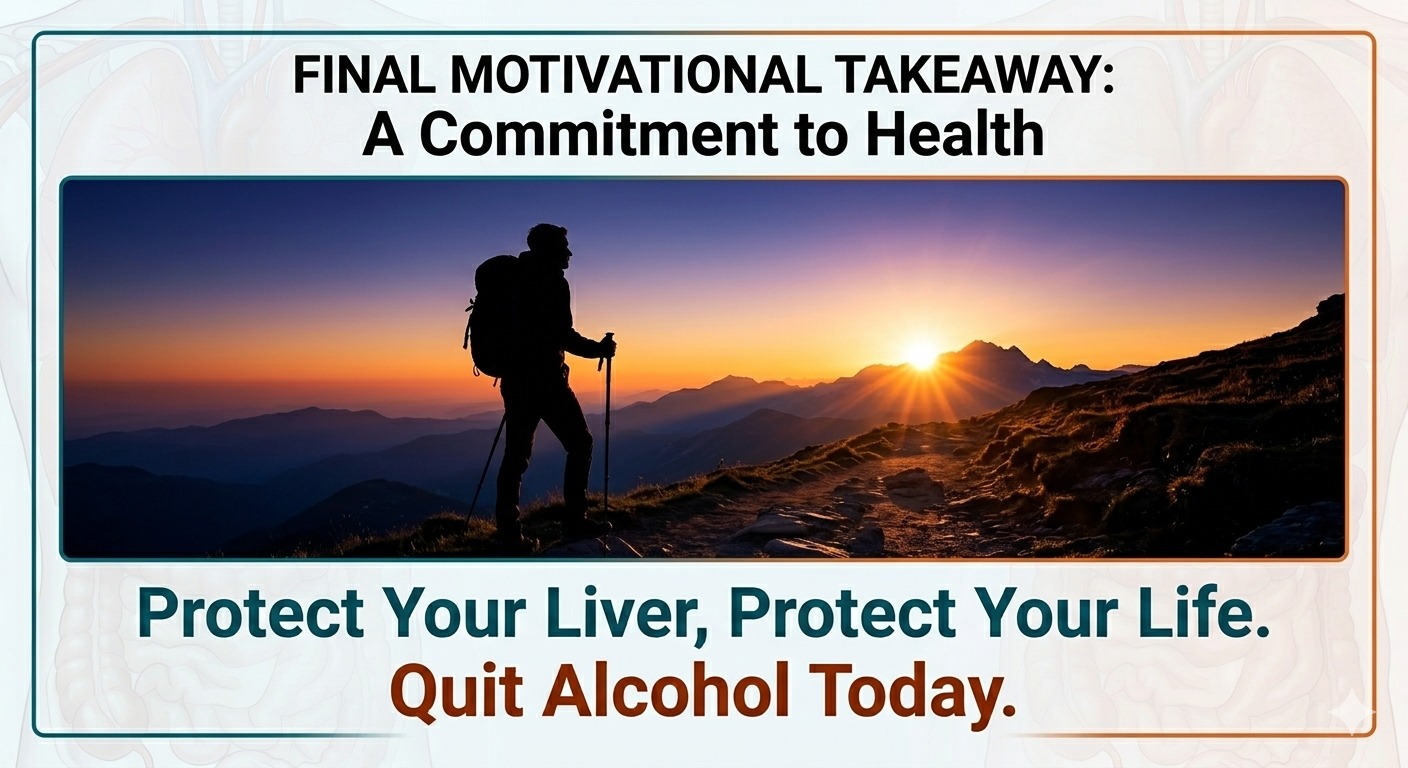
Whether you are in the early stages of fibrosis or facing the complexity of a transplant, the liver offers a unique chance for a "reset." Early detection and total abstinence from alcohol are the keys to surviving liver disease.
Expert Insight: "The surgery replaces the engine, but the patient provides the fuel. A successful transplant is a life-long partnership between the surgeon’s skill and the patient’s will."
Looking for a Smarter Way to Track Liver Health?
Try it stress-free — We never modify medical data without your confirmation.
