Blog Post Details Page
08:49 AM | October 19, 2026 2 Views
Can Liver Fibrosis Occur Without Abnormal Liver Tests?
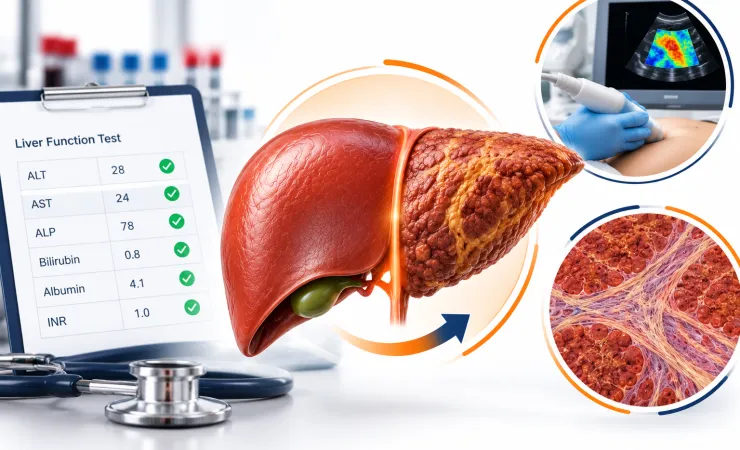
Yes, liver fibrosis can occur even when routine liver blood tests show normal results. Fibrosis develops when ongoing liver injury causes scar tissue to build up in the liver. Although blood tests can help identify liver injury and assess liver function, they do not always reveal how much scarring is present.
This can be confusing for people who have normal alanine aminotransferase (ALT) and aspartate aminotransferase (AST) levels but have risk factors for chronic liver disease, such as type 2 diabetes, obesity, viral hepatitis or long-term alcohol use.
Understanding the limitations of routine blood tests can help patients know when further assessment may be appropriate.
Can Liver Fibrosis Exist with Normal Blood Tests?
Yes. Liver fibrosis can be present despite normal ALT and AST levels. These enzymes mainly indicate liver cell injury rather than directly measuring scar tissue. Doctors may use a combination of medical history, blood-based fibrosis scores and liver stiffness tests to assess whether scarring is present. Normal results do not always exclude liver disease.
What Is Liver Fibrosis?
Understanding Liver Scarring
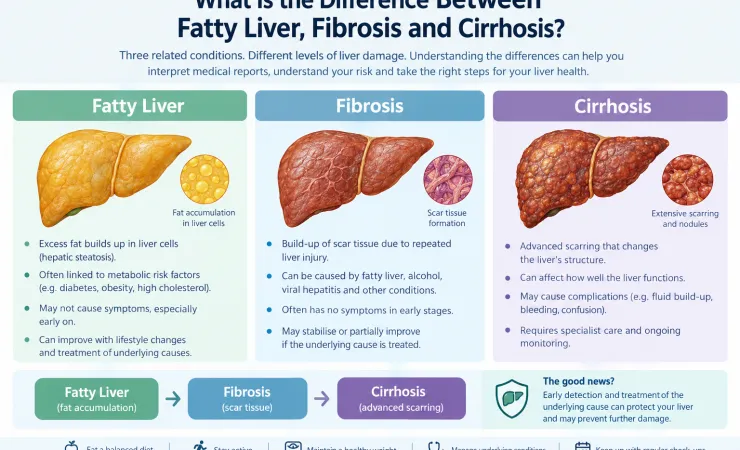
Liver fibrosis occurs when repeated or long-term liver injury triggers the formation of scar tissue. It may develop because of metabolic dysfunction-associated steatotic liver disease (MASLD), alcohol-related liver disease, chronic hepatitis B or C, and certain other liver conditions.
Fibrosis can progress through different stages. Advanced fibrosis may eventually develop into cirrhosis, in which extensive scarring changes the liver's structure and can impair its function.
Why Can Blood Tests Be Normal?
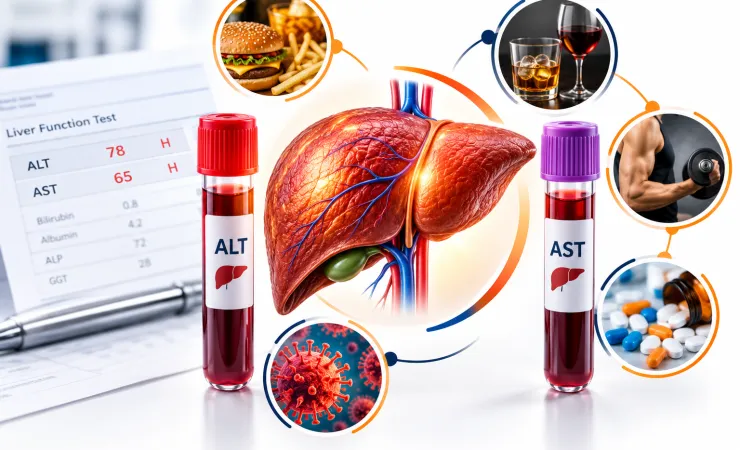
Routine liver blood tests measure different aspects of health. ALT and AST are enzymes released into the bloodstream when liver cells are damaged. They do not directly measure the amount of scar tissue.
Consequently, enzyme levels can return to the reference range or remain normal even when fibrosis is present. Other tests, including bilirubin, albumin and the international normalised ratio (INR), provide different information about liver function but also cannot independently rule out all fibrosis.
The NHS Specialist Pharmacy Service explains that liver blood tests may be normal even in advanced liver disease..
Key Facts About Liver Fibrosis with Normal Enzymes
Normal ALT and AST do not exclude fibrosis. Blood enzyme levels are only part of the assessment.
Early fibrosis may cause no noticeable symptoms. People may feel well while scarring develops.
Risk factors matter. Diabetes, obesity, harmful alcohol consumption and chronic viral hepatitis can increase the likelihood of liver disease.
Further tests may be appropriate. Depending on the person's risk, clinicians may use FIB-4, elastography or other investigations.
A normal ultrasound is not definitive. Standard ultrasound can identify certain liver changes but is not sufficiently sensitive to exclude fibrosis.
One test rarely tells the whole story. Results must be interpreted alongside medical history, examination findings and other investigations.
The 2024 joint guidelines from the European Association for the Study of the Liver, European Association for the Study of Diabetes and European Association for the Study of Obesity recommend fibrosis risk assessment using appropriate blood-based scores and, when indicated, imaging-based tests rather than relying only on liver enzyme levels..
What Causes Liver Fibrosis When Liver Tests Are Normal?
Several conditions can contribute to fibrosis without consistently raising liver enzymes.
1. Metabolic Dysfunction-Associated Steatotic Liver Disease
MASLD, previously known as non-alcoholic fatty liver disease, is associated with excess liver fat and metabolic risk factors.
People with type 2 diabetes, obesity, high blood pressure or abnormal cholesterol levels may have an increased risk of progressive liver disease. Normal enzyme levels do not reliably exclude fibrosis in these groups.
2. Alcohol-Related Liver Disease
Long-term harmful alcohol consumption can cause inflammation and scarring. Enzyme levels may vary according to drinking patterns, the stage of disease and other individual factors.
3. Chronic Viral Hepatitis
Hepatitis B and hepatitis C can cause ongoing liver injury. Some individuals have periods when ALT levels are normal despite continuing infection or underlying fibrosis. Assessment depends on the infection, viral activity and other clinical findings.
4. Other Chronic Liver Conditions
Autoimmune liver diseases, inherited conditions and certain bile duct disorders can also cause fibrosis. Doctors may recommend specific tests based on symptoms, medical history and initial findings.
How Is Liver Fibrosis Diagnosed if Blood Tests Are Normal?
FIB-4 Blood-Based Score
FIB-4 is a calculation that uses age, AST, ALT and platelet count to estimate the likelihood of advanced liver fibrosis.
It can help clinicians decide whether further investigation is needed. However, FIB-4 is a risk-assessment tool, not a direct measurement of scarring, and its accuracy varies according to factors such as age and the underlying liver condition.
FibroScan and Other Elastography Tests
Elastography estimates liver stiffness using specialised ultrasound or magnetic resonance imaging techniques. Greater stiffness may indicate fibrosis, although inflammation and other factors can also affect results.
Unlike routine ALT and AST measurements, elastography provides information more directly related to liver tissue stiffness.
Ultrasound and Other Imaging
A conventional abdominal ultrasound can help identify fatty changes, changes in liver structure and certain signs of advanced disease. However, a normal ultrasound does not reliably rule out early or moderate fibrosis.
Liver Biopsy
A liver biopsy involves examining a small tissue sample under a microscope. It can provide detailed information about fibrosis, but it is invasive and is not necessary for everyone. Doctors consider it when non-invasive results are inconclusive or when tissue examination may change management.
Can Liver Fibrosis Be Managed?
Management depends on the cause and extent of the scarring.
Treat the underlying condition: This may include antiviral treatment for hepatitis or specialist management of metabolic or other liver diseases.
Review alcohol consumption: People with alcohol-related liver disease should receive appropriate advice and support to stop drinking.
Address metabolic risk factors: Where appropriate, clinicians may recommend sustainable dietary changes, physical activity and management of diabetes, cholesterol and blood pressure.
Attend recommended follow-up appointments: Repeat tests or imaging may be needed to monitor the condition.
Earlier identification can help clinicians address the cause and reduce the risk of progression. Some fibrosis may improve when the underlying injury is effectively treated, although outcomes vary and established cirrhosis requires ongoing specialist care.
Practical Tips for Patients
Discuss your risk factors with a healthcare professional, even if routine liver enzymes are normal.
Keep dated copies of blood test results, imaging reports and relevant medical summaries.
Ask whether a fibrosis risk assessment is appropriate for your medical history.
Avoid interpreting a single test result as proof that your liver is healthy or damaged.
Record questions and changes in your health before appointments.
Digital tools such as the Liverlytics mobile application can help organise laboratory results, track liver-related measurements and review historical trends. These records may assist with consultation preparation, but they cannot independently diagnose fibrosis or replace medical assessment.
Common Misconceptions
“Normal liver enzymes mean there is no liver disease.” Not necessarily. Normal ALT and AST levels do not exclude fibrosis.
“A normal ultrasound rules out liver scarring.” No. Standard ultrasound has limitations in detecting fibrosis, particularly at earlier stages.
“Every person with normal tests needs a FibroScan.” No. Further testing should be based on individual risk factors, medical history and clinical assessment.
“Liver fibrosis always causes symptoms.” Early fibrosis often has no obvious symptoms, which is one reason risk-based assessment matters.
When Should You Speak to a Doctor?
Arrange a medical review if you have risk factors for chronic liver disease, a history of viral hepatitis, persistent concerns about previous imaging results or a known liver condition that requires monitoring.
Seek urgent medical attention if you develop jaundice, new abdominal swelling or significant deterioration in your health. Vomiting blood, black tarry stools or new confusion require emergency assessment.
Expert Insights: Why the Whole Clinical Picture Matters
A normal result is useful information, but it answers only the question that a particular test is designed to assess. ALT and AST help identify liver cell injury; they are not direct measurements of fibrosis.
For people with diabetes, obesity and other relevant risk factors, clinicians may use a stepwise approach: an initial blood-based score followed by elastography or another assessment when indicated. This helps avoid both unnecessary testing in low-risk individuals and false reassurance in people who may need further investigation.
People Also Ask
Can you have stage 2 liver fibrosis with normal ALT and AST?
Yes. Normal enzyme levels do not reliably exclude fibrosis, including significant scarring. The appropriate assessment depends on risk factors and additional investigations.
Can liver fibrosis be detected in a blood test?
Blood-based scores such as FIB-4 can help estimate the risk of advanced fibrosis, but routine liver enzymes alone cannot reliably determine the stage of scarring.
Does a normal ultrasound rule out liver fibrosis?
No. A standard ultrasound may show certain liver changes but cannot reliably exclude fibrosis.
Can early liver fibrosis cause no symptoms?
Yes. Fibrosis can develop without obvious symptoms, particularly during earlier stages.
Is FibroScan more useful than ALT and AST for detecting fibrosis?
FibroScan measures liver stiffness and provides information more directly related to scarring. It complements rather than replaces appropriate blood tests and clinical assessment.
Frequently Asked Questions
1. Can advanced liver fibrosis exist with normal blood tests?
Yes. Some people with advanced fibrosis have normal aminotransferase levels. Other findings, risk factors and appropriate imaging may reveal disease that routine enzymes do not identify.
2. Which blood tests help assess liver fibrosis?
FIB-4 uses age, AST, ALT and platelet count. Other blood-based tests may also be used, depending on the clinical situation. No single blood test detects every case.
3. Who should consider a fibrosis assessment?
People with relevant risk factors, such as type 2 diabetes, obesity with additional metabolic risk factors, chronic viral hepatitis or harmful alcohol use, may benefit from discussing risk assessment with a clinician.
4. Can liver fibrosis improve?
It may improve when the underlying cause is effectively managed, depending on the stage and condition. Advanced scarring and cirrhosis require ongoing medical monitoring.
5. Does normal bilirubin mean there is no liver scarring?
No. Bilirubin is one part of the assessment and may remain normal when fibrosis is present.
6. How often should liver fibrosis be checked?
There is no universal schedule. Follow-up depends on the underlying condition, previous results, risk factors and the plan agreed with your clinician.
7. Can lifestyle changes help protect liver health?
Appropriate nutrition, physical activity, management of metabolic conditions and avoiding alcohol when medically advised can help address important causes of liver injury. Individual recommendations should reflect the person's condition.
8. Can a liver health app diagnose fibrosis?
No. An app can help organise results and track information, but diagnosis requires appropriate clinical assessment and, where indicated, medical testing.
Key Takeaways
Liver fibrosis can occur even when routine liver enzymes are normal.
ALT and AST indicate liver cell injury rather than directly measuring scar tissue.
FIB-4, elastography and selected additional tests may help assess fibrosis when clinically appropriate.
Risk factors and medical history matter when interpreting normal results.
Discuss concerns with a healthcare professional rather than relying on one test alone.
Conclusion
Liver fibrosis can be present without abnormal routine liver blood tests, so normal ALT and AST levels should not be treated as a guarantee that scarring is absent. The most appropriate next step depends on individual risk factors, medical history and previous findings. When further assessment is warranted, a combination of blood-based scores and specialised imaging can provide a clearer picture of liver health.

“ It is not the man who has too little, but the man who craves more, that is poor. ”
— Seneca
Let’s Get in Touch
Your email address will not be published. Required fields are marked *
Recent Post


Looking for a Smarter Way to Track Liver Health?
Try it stress-free — We never modify medical data without your confirmation.

Comments :
Ooops!
No comments found.