Blog Post Details Page

05:00 PM | September 19, 2026 70 Views
Living with a Chronic Liver Condition: Mental Health and Coping Strategies
Living with a chronic liver condition affects far more than physical health. Whether someone has fatty liver disease, liver cirrhosis, hepatitis, autoimmune liver disease, or another long-term liver condition, the emotional impact can be just as significant as the medical diagnosis.
Many people experience anxiety, stress, uncertainty, low mood, or even depression while managing ongoing appointments, medications, dietary changes, and concerns about the future. Yet mental health is often overlooked during liver care.
This guide explains how living with a chronic liver condition can affect mental wellbeing, practical coping strategies that are supported by healthcare professionals, and ways patients and caregivers can build resilience while managing long-term liver disease.
You'll also learn when emotional symptoms may require medical attention and how organised health tracking can support conversations with your healthcare team.
(Featured Snippet Opportunity)
Living with a chronic liver condition can affect mental health by increasing the risk of anxiety, depression, stress, and emotional fatigue. Coping strategies include building a support network, maintaining healthy routines, staying physically active within medical advice, seeking psychological support when needed, and keeping organised records of liver health to reduce uncertainty during ongoing treatment.
Understanding Search Intent
People searching for living with a chronic liver condition are usually looking for more than medical facts. They often want reassurance, practical advice, and answers to emotional questions that are not fully addressed during clinic visits.
Informational Intent
How does chronic liver disease affect mental health?
Can liver disease cause anxiety or depression?
What is it like living with cirrhosis long term?
Problem-Solving Intent
How can I cope emotionally with liver disease?
How do I reduce stress while managing a chronic illness?
What helps caregivers support someone with liver disease?
Beginner Questions
Is feeling anxious after diagnosis normal?
Why do I feel overwhelmed all the time?
Advanced Questions
Can hepatic encephalopathy affect mood?
Does chronic inflammation influence mental wellbeing?
How do I prepare emotionally for long-term liver monitoring?
This article answers both everyday concerns and more advanced questions patients frequently search online.
What Does Living with a Chronic Liver Condition Mean?
Definition
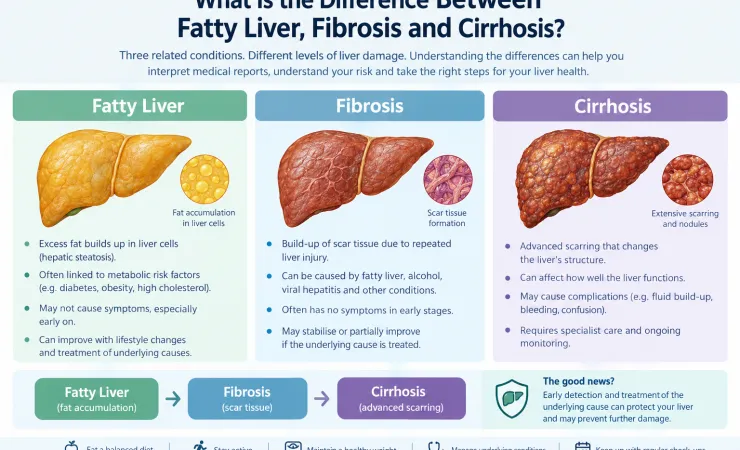
A chronic liver condition is a liver disease that lasts for six months or longer. Instead of resolving quickly, these conditions require ongoing monitoring and management.
Examples include:
Non-alcoholic fatty liver disease (NAFLD) and metabolic dysfunction-associated steatotic liver disease (MASLD)
Liver cirrhosis
Chronic hepatitis B and hepatitis C
Autoimmune hepatitis
Primary biliary cholangitis (PBC)
Primary sclerosing cholangitis (PSC)
Haemochromatosis and other chronic liver disorders
Some conditions progress slowly over many years, while others require closer monitoring because they increase the risk of complications.
Why Mental Health Matters in Liver Disease
Managing chronic liver disease is not simply about protecting liver function.
Patients may need to:
Attend regular hospital appointments.
Undergo repeated blood tests and scans.
Monitor medications.
Follow dietary restrictions, including sodium limits in some conditions.
Watch for symptoms that may indicate disease progression.
These ongoing responsibilities can create emotional strain that affects quality of life.
Research from liver health organisations shows that people with chronic liver disease have a higher likelihood of experiencing anxiety and depression than the general population. Emotional wellbeing is now recognised as an important part of comprehensive liver care.
Key Facts About Living with a Chronic Liver Condition
How Chronic Liver Disease Can Affect Mental Health
Living with a chronic illness often creates uncertainty. Liver disease can introduce additional emotional challenges because symptoms may fluctuate and progression is not always predictable.
Anxiety After Diagnosis
Receiving a diagnosis of liver disease can trigger many worries.
People often think about:
Will my liver recover?
Will I need a transplant?
Can I continue working?
How long will I live?
Will my condition worsen?
These questions are understandable and may lead to persistent anxiety.
Common signs include:
Constant worrying.
Difficulty relaxing.
Racing thoughts.
Feeling tense before medical appointments.
Fear while waiting for blood test results.
Short-term anxiety is a normal emotional response. However, persistent anxiety that interferes with daily life should be discussed with a healthcare professional.
Depression and Low Mood
Depression is more than feeling sad.
People living with chronic liver disease may experience:
Loss of interest in activities.
Reduced motivation.
Fatigue beyond physical illness.
Feelings of hopelessness.
Poor concentration.
Changes in appetite or sleep.
Because liver disease itself can cause fatigue, depression is sometimes overlooked. Healthcare teams increasingly recommend screening for mental health symptoms during long-term liver care.
Emotional Fatigue and Burnout
Managing chronic illness can feel like a full-time job.
Patients often describe:
Appointment fatigue.
Medication fatigue.
Diet fatigue.
Feeling emotionally exhausted by constant monitoring.
This emotional burnout may reduce motivation to continue healthy habits unless additional support is available.
The Emotional Journey of Chronic Liver Disease
6
Every patient's emotional journey is different, but many experience similar stages after diagnosis.
Understanding these stages helps patients recognise that emotional reactions often change over time.
Symptoms, Causes, and Risk Factors
Common Emotional Symptoms
People living with chronic liver disease may experience:
Persistent stress.
Anxiety before appointments.
Mood swings.
Irritability.
Difficulty sleeping.
Feeling isolated.
Loss of confidence.
Feeling overwhelmed by treatment.
These symptoms should not automatically be blamed on liver disease alone. Mental health conditions deserve proper evaluation.
Why Mental Health Problems May Develop
Several factors contribute.
Physical Factors
Chronic inflammation.
Fatigue.
Sleep disruption.
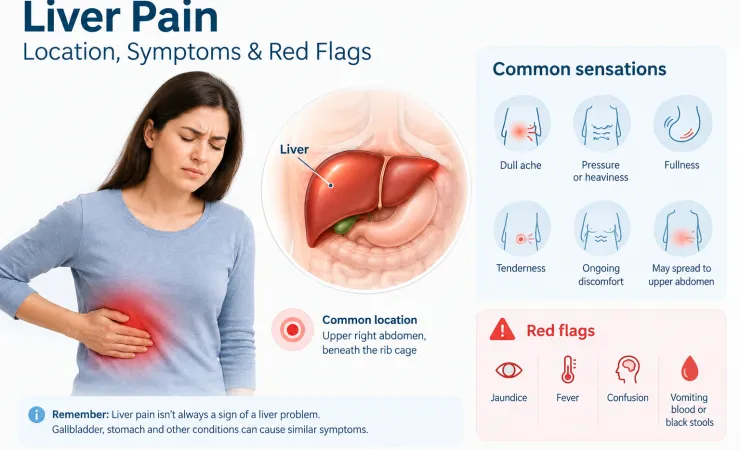
Chronic pain or discomfort.
Itching associated with some liver diseases.
Psychological Factors
Fear of complications.
Worry about future health.
Financial stress from treatment.
Changes in work or daily activities.
Loss of independence.
Social Factors
Reduced social life.
Dietary restrictions during gatherings.
Feeling misunderstood by others.
Caregiver relationship changes.
Mental health is usually influenced by a combination of these factors rather than a single cause.
Risk Factors for Emotional Difficulties
Some individuals may be more vulnerable.
Health-Related Risk Factors
Advanced liver cirrhosis.
Previous episodes of hepatic encephalopathy.
Multiple hospital admissions.
Chronic fatigue.
Long-term medication use.
Lifestyle Risk Factors
Poor sleep.
Physical inactivity.
Alcohol misuse.
Smoking.
Limited social interaction.
Personal Risk Factors
Previous anxiety or depression.
High levels of life stress.
Limited family support.
Living alone.
Recognising risk factors allows healthcare professionals to provide earlier emotional support.
Can Liver Disease Affect the Brain?
Understanding Hepatic Encephalopathy
Some people with advanced liver disease develop hepatic encephalopathy, a condition caused by toxins building up when the liver cannot remove them effectively.
Symptoms may include:
Confusion.
Forgetfulness.
Personality changes.
Poor concentration.
Sleep pattern changes.
Difficulty making decisions.
These symptoms require medical assessment because they are different from anxiety or depression.
Brain Fog Without Encephalopathy
Even without hepatic encephalopathy, many patients describe "brain fog."
This may involve:
Difficulty concentrating.
Feeling mentally slower.
Trouble remembering appointments.
Reduced attention.
Fatigue, sleep problems, medications, and emotional stress may all contribute.
Diagnosis and Mental Health Assessment
Mental health assessment is becoming an important part of chronic disease management.
How Doctors Assess Emotional Wellbeing
Your healthcare provider may ask about:
Mood.
Sleep quality.
Appetite.
Energy levels.
Anxiety symptoms.
Stress levels.
Daily functioning.
Sometimes brief questionnaires help identify anxiety or depression.
Liver Tests Still Matter
Emotional symptoms should be assessed alongside routine liver monitoring.
Common liver monitoring includes:
Liver function blood tests.
Bilirubin levels.
Albumin.
INR.
Creatinine.
Sodium levels in certain liver conditions.
Ultrasound or FibroScan when recommended.
MELD or MELD 3.0 assessment for eligible patients.
Tracking these results over time helps clinicians understand disease progression alongside symptoms.
Preparing for Appointments
Many patients feel anxious because they forget questions during appointments.
Helpful preparation includes:
Writing symptoms in advance.
Recording mood changes.
Keeping medication lists updated.
Tracking laboratory results over time.
Noting changes in sleep or appetite.
Patients managing chronic liver disease often benefit from maintaining organised records of MELD 3.0 scores, sodium levels, medications, symptoms, and laboratory results. Digital tools such as the Liverlytics mobile application can help users organise historical liver health information, review trends using graphs across custom date ranges, and generate reports that may support more productive discussions during healthcare appointments.
Why Early Recognition Makes a Difference
Mental health challenges are common but treatable in people living with chronic liver disease. Recognising emotional symptoms early can improve quality of life, help patients stay engaged with treatment, and make it easier to manage the everyday demands of a long-term liver condition.
Living with a Chronic Liver Condition: Mental Health and Coping Strategies (Part 2)
SEO-Optimised Healthcare Blog (Continuation | UK English | EEAT Compliant)
This section covers evidence-based treatment approaches, coping strategies, lifestyle management, caregiver support, common misconceptions, warning signs, and expert insights that improve long-term quality of life for people living with chronic liver disease.
Treatment and Management: Supporting Both Liver and Mental Health
Living with a chronic liver condition often requires managing physical symptoms and emotional wellbeing together. While treatments depend on the specific liver disease, mental health support is an important part of comprehensive care.
Medical Treatment for Emotional Wellbeing
Mental health treatment is not separate from liver care—it can complement it.
Healthcare professionals may recommend:
Psychological counselling.
Cognitive Behavioural Therapy (CBT).
Stress-management programmes.
Support groups for chronic illness.
Medication for anxiety or depression when appropriate.
Because the liver processes many medicines, doctors carefully choose medications that are suitable for a person's liver function. Patients should never start or stop antidepressants or anti-anxiety medication without medical advice.
Treating the Underlying Liver Condition
Improving liver health can sometimes improve emotional wellbeing by reducing symptoms such as fatigue or discomfort.
Treatment may include:
Antiviral treatment for hepatitis B or hepatitis C.
Medication for autoimmune liver disease.
Management of portal hypertension or ascites in cirrhosis.
Monitoring for complications.
Nutritional guidance from a healthcare professional.
Mental health support works best alongside appropriate medical treatment for liver disease.
Lifestyle Management for Better Mental Health
Daily habits can make a meaningful difference to emotional resilience. Lifestyle changes are not a replacement for treatment, but they support overall wellbeing.
Build a Consistent Daily Routine
Chronic illness often disrupts normal routines. Creating structure can reduce uncertainty and improve emotional stability.
A healthy routine might include:
Small routines are often easier to maintain than major lifestyle changes.
Prioritise Sleep Quality
5
Sleep problems are common in chronic liver disease and can worsen anxiety and low mood.
Tips for healthier sleep include:
Go to bed at the same time each night.
Reduce screen time before bedtime.
Keep the bedroom cool and quiet.
Avoid caffeine late in the day if advised by your healthcare provider.
Discuss persistent insomnia with your healthcare team.
If sleep changes are sudden or accompanied by confusion, medical assessment is important.
Stay Physically Active Within Medical Advice
5
Exercise benefits both physical and emotional health.
Potential benefits include:
Reduced stress.
Improved sleep.
Better mood.
Increased energy.
Improved confidence.
Suitable activities may include:
Walking.
Stretching.
Yoga.
Light resistance exercises.
Cycling if appropriate.
People with advanced liver disease should follow personalised advice about activity levels.
Eat a Liver-Friendly Diet Without Becoming Overwhelmed
Food restrictions can create anxiety, especially after diagnosis.
Focus on sustainable habits rather than perfection.
General recommendations may include:
Plenty of vegetables and fruit.
Whole grains.
Lean protein.
Healthy fats.
Limiting highly processed foods.
Monitoring sodium if recommended for cirrhosis or ascites.
Instead of worrying about every meal, aim for consistent healthy choices most of the time.
Practical Coping Strategies for Anxiety and Stress
Emotional coping is a skill that can be developed over time.
1. Focus on What You Can Control
Many worries involve uncertain future events.
Try separating concerns into two categories.
This approach can reduce feelings of helplessness.
2. Practise Mindfulness and Relaxation
Mindfulness does not cure liver disease, but evidence suggests it may help reduce stress and anxiety.
Examples include:
Deep breathing exercises.
Guided meditation.
Progressive muscle relaxation.
Gentle mindfulness practices.
Spending time outdoors.
Even five to ten minutes daily may help some people feel calmer.
3. Keep a Symptom and Mood Journal
Writing down experiences can help identify patterns.
Track:
Mood.
Energy.
Sleep.
Appetite.
Symptoms.
Questions for appointments.
Patients managing chronic liver disease often benefit from keeping organised records of liver-related symptoms alongside clinical information.
Digital tools such as the Liverlytics mobile application can help users organise MELD 3.0 scores, sodium levels, liver reports, medications, and symptom history over time. Visual graphs, date-range tracking, and exportable reports may support discussions during healthcare appointments, but these tools do not replace professional medical care.
4. Stay Connected
Isolation can worsen emotional distress.
Ways to stay connected include:
Talking with trusted friends.
Joining liver disease support communities.
Speaking with family members.
Participating in local or online patient groups.
Speaking honestly about emotional challenges.
Support does not always mean asking for solutions—sometimes it means being heard.
Coping with Fear About the Future
Many people worry about disease progression.
Common Concerns
Liver transplant.
Cancer risk.
Hospital admissions.
Life expectancy.
Financial impact.
Caring for family.
Healthy Ways to Manage Uncertainty
Ask your healthcare team specific questions.
Avoid relying solely on social media stories.
Learn about your own condition rather than assuming someone else's experience applies to you.
Take information from trusted medical organisations.
Knowledge often reduces fear when it comes from reliable sources.
Practical Tips for Patients Living with Chronic Liver Disease
Create a Personal Liver Care Checklist
Take medications as prescribed.
Attend blood test appointments.
Keep vaccination records updated if recommended.
Monitor symptoms.
Follow dietary advice.
Prioritise sleep.
Stay active when appropriate.
Monitor mental wellbeing.
Prepare Questions Before Every Appointment
Examples include:
Have my blood test results changed?
What symptoms should I watch for?
Do I need dietary changes?
Is my fatigue related to liver disease?
Should I discuss anxiety or low mood?
Preparing questions helps patients feel more involved in their care.
Celebrate Small Progress
Living with chronic illness is rarely a straight line.
Celebrate achievements such as:
Following medication routines.
Eating balanced meals.
Walking regularly.
Attending appointments.
Asking for support.
Small successes build confidence over time.
Practical Tips for Caregivers
Caregivers often experience emotional strain too.
Understand Emotional Changes
A loved one may experience:
Irritability.
Anxiety.
Fatigue.
Forgetfulness.
Low motivation.
Responding with patience rather than judgement can help.
Encourage Independence
Support without taking over every responsibility.
Examples include:
Helping organise appointments.
Preparing healthy meals together.
Encouraging activity.
Listening without immediately offering solutions.
Caregiver Self-Care Matters
Caregivers should also:
Take breaks.
Maintain hobbies.
Seek emotional support.
Watch for signs of burnout.
Healthy caregivers are better able to provide long-term support.
Common Mistakes and Misconceptions
Myth 1: Stress Causes Liver Disease
Fact: Stress alone does not cause chronic liver disease. However, long-term stress may affect behaviours that influence overall health.
Myth 2: Feeling Depressed Means You're Not Coping Well
Fact: Depression is a recognised medical condition and is relatively common in chronic illnesses. Seeking help is a sign of proactive care.
Myth 3: Mental Health Isn't Important Until Liver Disease Becomes Severe
Fact: Emotional wellbeing matters at every stage of chronic liver disease, including early-stage fatty liver disease and compensated cirrhosis.
Myth 4: Talking About Anxiety Makes It Worse
Fact: Discussing emotional symptoms with healthcare professionals often helps identify effective coping strategies and treatment options.
Myth 5: You Should Handle Everything Alone
Fact: Support from healthcare teams, family, friends, and mental health professionals can improve quality of life.
When Should You Speak to a Doctor?
Seek Medical Advice for Emotional Symptoms If You Have:
Anxiety lasting several weeks.
Persistent sadness.
Panic attacks.
Difficulty sleeping for an extended period.
Loss of interest in daily life.
Difficulty managing treatment because of emotional distress.
Mental health symptoms deserve assessment just like physical symptoms.
Seek Urgent Medical Assessment If Someone Develops:
Sudden confusion.
Severe drowsiness.
Personality changes.
Difficulty waking.
New disorientation.
These symptoms could indicate hepatic encephalopathy or another serious medical condition requiring prompt evaluation.
Expert Insights: Often Overlooked Aspects of Living with Chronic Liver Disease
Emotional Health Can Influence Treatment Adherence
Patients experiencing anxiety or depression may find it harder to:
Remember medications.
Attend appointments.
Maintain healthy eating habits.
Stay physically active.
Early emotional support may improve long-term disease management.
Fatigue Is Both Physical and Emotional
Fatigue in chronic liver disease has multiple causes.
It may relate to:
Liver dysfunction.
Poor sleep.
Nutritional deficiencies.
Emotional distress.
Medication side effects.
Discuss persistent fatigue with your healthcare team rather than assuming it is "normal."
Quality of Life Is an Important Health Outcome
Modern liver care increasingly recognises that treatment success includes:
Physical health.
Mental wellbeing.
Daily functioning.
Social participation.
Independence.
Improving quality of life is an important goal alongside monitoring liver health.
Living with a Chronic Liver Condition: Mental Health and Coping Strategies (Part 3)
SEO-Optimised Healthcare Blog (Continuation | UK English | EEAT Compliant)
This section is designed to target Google People Also Ask (PAA), long-tail search queries, and genuine patient questions commonly discussed on Google, Reddit, Quora, NHS pages, and liver disease support communities.
People Also Ask (Highly Searched Questions)
Can chronic liver disease affect your mental health?
Yes. Living with a chronic liver condition can increase the risk of anxiety, depression, stress, and emotional fatigue. This may be due to uncertainty about the illness, ongoing medical care, physical symptoms such as fatigue, and lifestyle changes. Mental health support should be considered part of comprehensive liver care.
Is anxiety common in people with liver cirrhosis?
Yes. Anxiety is relatively common among people living with liver cirrhosis. Worries about disease progression, hospital visits, medications, and future health can contribute to persistent anxiety. Speaking to a healthcare professional can help identify effective coping strategies or treatment if anxiety becomes overwhelming.
Can liver disease cause depression?
Chronic liver disease itself does not always directly cause depression, but people living with long-term liver conditions are more likely to experience depression than the general population. Fatigue, sleep disruption, chronic illness, and emotional stress can all contribute.
How can I cope with stress when living with liver disease?
Helpful coping strategies include maintaining a daily routine, staying physically active within medical advice, practising relaxation techniques, getting enough sleep, connecting with supportive people, and discussing emotional concerns with your healthcare team.
Does stress make liver disease worse?
Stress does not directly damage the liver or cause chronic liver disease. However, long-term stress may make it harder to maintain healthy habits, attend appointments, follow dietary advice, or avoid alcohol if advised, which can indirectly affect overall liver health.
Can liver disease cause brain fog?
Yes. Some people with chronic liver disease report difficulty concentrating, forgetfulness, or slower thinking. Brain fog may result from fatigue, poor sleep, medications, or emotional distress. Sudden confusion or severe cognitive changes require urgent medical assessment because they may indicate hepatic encephalopathy.
How do caregivers support someone with chronic liver disease?
Caregivers can help by encouraging medication adherence, attending appointments if appropriate, preparing healthy meals, offering emotional support, and watching for changes in symptoms or behaviour. Caregivers should also prioritise their own wellbeing to reduce burnout.
Can mental health treatment be safely used with liver disease?
Yes, but treatment should always be supervised by a healthcare professional. Psychological therapies such as Cognitive Behavioural Therapy (CBT) are commonly recommended, and medications may be prescribed when appropriate based on liver function and medical history.
Frequently Asked Questions (SEO + User Search Intent)
How do I stay positive while living with a chronic liver condition?
Staying positive does not mean ignoring difficult emotions. It means developing healthy ways to cope with them. Many people find it helpful to focus on achievable daily goals, maintain social connections, celebrate small improvements, and seek professional support when needed.
Can chronic liver disease affect memory and concentration?
Yes. Memory problems and reduced concentration may occur due to fatigue, sleep disruption, medications, emotional stress, or advanced liver disease. Persistent or worsening cognitive symptoms should be discussed with your healthcare provider.
Why do I feel so tired even when my liver tests improve?
Fatigue is one of the most common symptoms of chronic liver disease and may continue even when blood tests improve. Sleep quality, nutrition, mental health, physical activity, and medications may all contribute to ongoing tiredness.
Should I tell my doctor about anxiety or depression?
Absolutely. Anxiety and depression are important health concerns and should be discussed during liver appointments. Your healthcare team can recommend appropriate assessment, counselling, or treatment options that fit your liver condition.
Can counselling help people with chronic liver disease?
Yes. Counselling and psychological therapies can help people manage anxiety, depression, uncertainty, and the emotional impact of living with a long-term illness. Many patients benefit from learning practical coping skills through therapy.
Is it normal to worry before liver blood tests or scan results?
Yes. Many patients experience "scanxiety" or anxiety while waiting for blood test or imaging results. Preparing questions in advance, limiting unreliable internet searches, and discussing results with your healthcare provider can help reduce uncertainty.
What lifestyle habits support both liver and mental health?
Healthy habits include:
Eating a balanced liver-friendly diet.
Staying physically active when appropriate.
Getting regular sleep.
Avoiding alcohol if advised.
Managing stress through relaxation techniques.
Keeping regular medical appointments.
These habits support overall wellbeing alongside medical treatment.
How can I organise my liver health information over time?
Keeping records of laboratory results, medications, symptoms, weight, sodium intake (if recommended), and MELD 3.0 scores can make appointments more productive. Some patients use digital tools such as the Liverlytics mobile application to organise historical liver health information, review graphs across different date ranges, and generate reports for consultations.
Can family members help reduce emotional stress?
Yes. Emotional support from family or trusted friends can reduce feelings of isolation, encourage healthy routines, and help patients manage appointments or treatment plans. Open communication often improves coping for both patients and caregivers.
Does everyone with chronic liver disease develop mental health problems?
No. Many people adapt well over time and do not develop anxiety or depression. However, emotional challenges are common enough that healthcare professionals encourage patients to discuss mental wellbeing during routine liver care, especially if symptoms begin affecting daily life.
Long-Tail Search Questions Patients Commonly Ask
Patient Community Insights (Evidence-Informed)
Healthcare professionals frequently hear concerns similar to those shared in patient communities and support groups.
"I feel guilty because my liver disease changed my lifestyle."
Lifestyle changes can affect work, family, travel, and social events. Feeling frustrated or grieving those changes is a common emotional response. Speaking openly with healthcare professionals or counsellors may help patients adapt over time.
"I'm overwhelmed by keeping track of medications and blood tests."
Long-term liver care often involves multiple laboratory tests, appointments, and medications. Creating a written schedule or using a health record tracker can reduce this burden and improve appointment preparation.
"I don't want to worry my family."
Many patients try to protect loved ones by hiding emotional distress. Honest conversations often strengthen support systems and help caregivers understand what kind of help is actually needed.
"I worry every time I feel a new symptom."
Not every symptom means liver disease is worsening. Keeping a symptom diary and discussing persistent or new symptoms during appointments can help distinguish routine changes from warning signs that need medical attention.
Mental Health Self-Reflection Checklist
This checklist is not a diagnostic tool, but it may help patients recognise when they should discuss emotional wellbeing with a healthcare professional.
I feel anxious most days.
I struggle to enjoy activities I used to like.
I feel overwhelmed by managing my liver condition.
I have ongoing sleep problems.
I avoid appointments because they make me anxious.
I feel isolated from friends or family.
I often worry about future complications.
My mood is affecting my daily routine.
If several of these statements feel true for more than a couple of weeks, it is worth discussing them with your GP, liver specialist, or another qualified healthcare professional.
Expert Tip: Preparing Emotionally for Follow-Up Appointments
Many patients feel less anxious when they prepare before appointments.
A simple preparation checklist includes:
Write down any new symptoms.
Record questions about medications or diet.
Note changes in sleep, mood, or energy.
Bring recent laboratory results if requested.
Keep previous reports organised for comparison.
Patients who track liver-related information over time may find consultations easier because trends are available in one place. Organising MELD 3.0 scores, sodium levels, liver function results, and symptom history can support more informed discussions with healthcare providers.


“ Be present above all else. ”
— Naval Ravikant
Let’s Get in Touch
Your email address will not be published. Required fields are marked *
Recent Post


Looking for a Smarter Way to Track Liver Health?
Try it stress-free — We never modify medical data without your confirmation.

Comments :
Ooops!
No comments found.