Blog Post Details Page
08:38 AM | October 19, 2026 2 Views
What Is the Difference Between ALT and AST? A Complete Guide to Liver Blood Tests
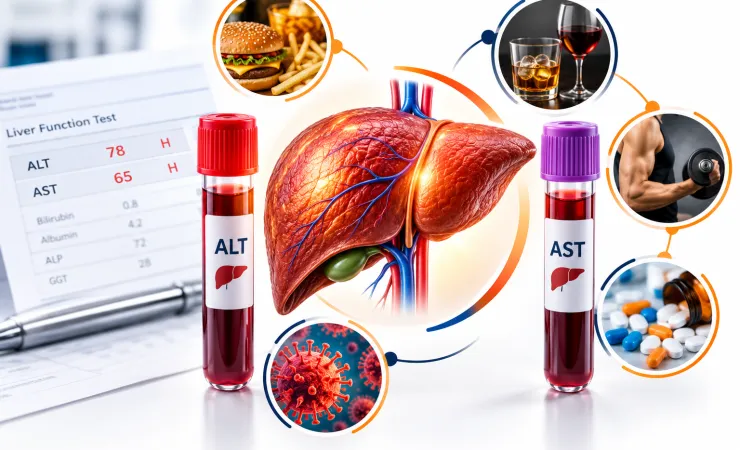
A liver blood test may show elevated ALT, AST or both. These results can raise questions: Does this mean liver damage? Is one enzyme more important than the other? And do abnormal results always indicate liver disease?
Understanding the difference between ALT and AST can help you make sense of your blood test report and prepare for a more informed discussion with your doctor.
ALT and AST are enzymes found inside cells. Although both can enter the bloodstream when cells are damaged, they differ in where they are found and how doctors interpret their levels. Neither result should be considered in isolation.
This guide explains what these enzymes measure, why their levels increase, how results are interpreted and what you can do next.
What Is the Difference Between ALT and AST?
ALT is an enzyme found mainly in the liver, making it relatively specific for liver cell injury. AST is found in the liver, muscles, heart and other tissues. Both can rise with liver injury, but AST can also increase because of muscle damage or strenuous exercise. Doctors interpret both results alongside other tests and your medical history.
What Are ALT and AST?
What Is ALT?
ALT is an enzyme that helps the body process amino acids. It is present mainly in liver cells, with smaller amounts elsewhere.
When liver cells are injured, ALT can leak into the bloodstream. An elevated ALT level may therefore indicate liver cell injury, sometimes before symptoms appear.
The test is also known as SGPT (serum glutamic-pyruvic transaminase). It is commonly included in liver blood test panels.
What Is AST?
AST is another enzyme involved in amino acid metabolism. It is found in the liver but also in skeletal muscles, the heart and other tissues.
When these cells are damaged, AST may enter the blood. This means an elevated AST level does not automatically indicate a liver problem.
AST is also known as SGOT (serum glutamic-oxaloacetic transaminase). Doctors often measure it alongside ALT to help investigate possible liver injury.
Why Do These Enzymes Matter?
ALT and AST provide clues about possible cell injury. However, they are not direct measurements of how well the liver performs its essential functions.
Other tests, including bilirubin, albumin and prothrombin time or INR, can help assess different aspects of liver function. [3]
Key Facts About ALT vs AST
Feature
ALT
AST
Full name
Alanine aminotransferase
Aspartate aminotransferase
Main location
Liver
Liver, muscles, heart and other tissues
Elevated level may suggest
Liver cell injury
Liver or other tissue injury
Important limitation
Does not identify the cause alone
Less specific to the liver
Common use
Investigating and monitoring liver injury
Investigating and monitoring possible liver or tissue injury
Important: A higher ALT does not necessarily mean more serious disease than a higher AST. The degree of elevation, other blood results, symptoms and clinical history all matter.
Symptoms, Causes and Risk Factors
Common Symptoms
Mild elevations in ALT or AST often cause no noticeable symptoms. The abnormality may be discovered during a routine health check.
When an underlying liver condition causes symptoms, these may include:
Persistent tiredness or weakness.
Nausea or reduced appetite.
Discomfort in the upper right abdomen.
Yellowing of the skin or eyes (jaundice).
Dark urine or unusually pale stools.
Itching or swelling of the abdomen or legs.
These symptoms are not specific to liver disease. Some people with liver conditions have no symptoms, particularly in the early stages.
Main Causes of High ALT and AST
Possible causes include:
Metabolic dysfunction-associated steatotic liver disease : Fat accumulation in the liver, often associated with insulin resistance, diabetes or excess weight.
Alcohol-related liver disease: Alcohol can injure liver cells and increase enzyme levels.
Viral hepatitis: Hepatitis viruses can cause liver inflammation.
Medicines and supplements: Certain prescription medicines, over-the-counter products and herbal supplements can affect the liver.
Muscle injury or strenuous exercise: Particularly relevant when AST is elevated.
Other conditions: Autoimmune liver disease, iron overload and reduced blood flow to the liver are among the possible causes.
Doctors consider the pattern of abnormalities and the person's circumstances before deciding which causes to investigate.
Who May Need Closer Monitoring?
People with diabetes, obesity, a history of significant alcohol consumption, known hepatitis, certain medication exposures or a family history of liver disease may need assessment based on their individual risk.
Normal ALT and AST results do not completely exclude chronic liver disease.
Diagnosis and Testing
How Are ALT and AST Measured?
Both tests require a blood sample, usually taken from a vein in the arm. They are commonly included in a liver panel or other routine blood testing.
Follow the laboratory's instructions about preparation. Fasting is not always necessary, although it may be required for other tests ordered at the same time. Tell your healthcare professional about your medicines, supplements, alcohol intake and recent strenuous exercise. Do not stop prescribed medicines without medical advice. [1, 2]
What Are Normal ALT and AST Levels?
Reference ranges vary between laboratories, so use the range printed on your report.
For example, MedlinePlus lists an ALT reference range of approximately 4–36 units per litre (U/L) and an AST range of approximately 8–33 U/L in its medical encyclopaedia entries. These are examples, not universal diagnostic cut-offs. [4, 5]
An elevated result does not establish a diagnosis. Depending on the circumstances, your clinician may recommend repeat testing, additional blood tests, imaging or other investigations.
What Does the AST/ALT Ratio Mean?
The AST/ALT ratio compares the two enzyme levels. It can offer an additional clue, but it cannot identify a disease on its own.
For example, AST being higher than ALT may occur in alcohol-related liver disease, but it can also occur with muscle injury and other conditions. A ratio alone cannot confirm alcohol-related disease or rule out other causes.
Doctors interpret the ratio alongside absolute enzyme levels, medical history and other findings.
Treatment and Management
Medical Treatment
There is no single treatment for elevated ALT or AST. Management depends on the underlying cause.
A clinician may investigate viral hepatitis, metabolic liver disease, medication-related injury, alcohol-related disease or muscle problems. Treatment may involve addressing the cause, adjusting a medicine under supervision or managing an underlying condition.
Lifestyle Management
Depending on your diagnosis, practical steps may include:
Eating a balanced diet with appropriate portions.
Being physically active in a way that suits your health.
Managing diabetes, cholesterol and body weight where relevant.
Avoiding alcohol while an unexplained elevation is being assessed, and following medical advice about alcohol thereafter.
Avoiding unverified liver detox products and supplements.
Lifestyle changes can support liver health, but they do not replace medical investigation when results are abnormal.
Monitoring Progress
Your clinician may repeat blood tests to see whether enzyme levels improve or remain elevated. The timing depends on the degree of elevation, symptoms and suspected cause.
Organised records can help you compare results over time. The Liverlytics mobile application can support the organisation of liver health information, historical results and visual trends. Its tracking and report features may help prepare for consultations, but they do not diagnose disease or replace clinical monitoring.
Practical Tips for Patients and Caregivers
Keep copies of your blood test reports, including dates and laboratory reference ranges.
Record prescribed medicines, non-prescription medicines and supplements.
Tell your clinician about recent intense exercise, illness and alcohol intake where relevant.
Ask whether both enzymes are elevated and whether bilirubin, ALP, GGT, albumin or INR also need assessment.
Attend recommended follow-up appointments, even if you feel well.
Common Mistakes and Misconceptions
“High ALT means cirrhosis.” False. Many conditions can increase ALT, and further assessment is needed.
“AST is always a liver marker.” False. Muscle and other tissue injury can also raise AST.
“Normal enzymes mean a healthy liver.” Not always. Some people with advanced chronic liver disease have normal or mildly elevated enzyme levels.
“The higher the enzymes, the greater the permanent damage.” Not necessarily. Enzyme levels reflect cell injury, not a direct measurement of remaining liver function or scarring.
When Should You Speak to a Doctor?
Arrange medical assessment if your blood report shows persistent or unexplained ALT or AST elevation, especially if you have risk factors for liver disease.
Seek urgent medical attention for yellowing of the eyes or skin, particularly with worsening symptoms. Severe abdominal pain, confusion, unusual drowsiness, vomiting blood or black stools require emergency assessment. Do not wait for a repeat blood test if serious symptoms develop.
Expert Insights: What Your Results May Not Tell You
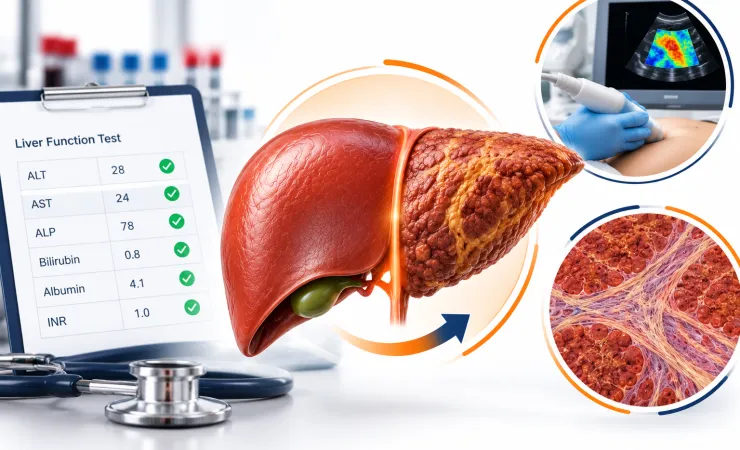
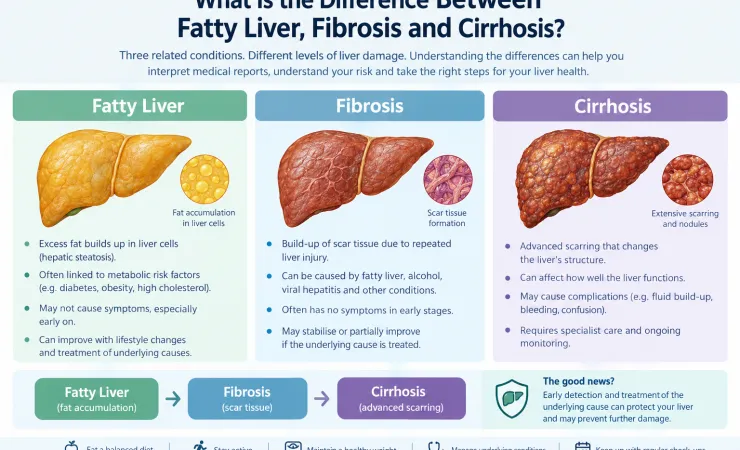
ALT and AST are often called liver enzymes, but they are better understood as markers of possible cell injury. They do not measure liver scarring directly, and they cannot reliably determine how advanced a liver condition is by themselves.
When appropriate, clinicians may use platelet counts and other blood results to calculate scores such as FIB-4, or recommend elastography to assess liver stiffness. Additional tests may be needed to investigate the cause. [6]
A useful question to ask is not simply, “Are my enzymes high?” but, “What could explain this pattern, and what follow-up do I need?”
People Also Ask
1. Which is more important, ALT or AST?
Neither is universally more important. ALT is more specific to liver cell injury, while AST can also come from muscles and other tissues.
2. Can ALT be high while AST is normal?
Yes. This pattern can occur in several liver conditions, but it does not establish a diagnosis.
3. What does it mean if AST is higher than ALT?
It may reflect liver disease, muscle injury or other causes. The ratio provides context but cannot confirm a specific condition.
4. Can exercise increase AST levels?
Yes. Strenuous exercise or muscle injury can increase AST and sometimes other enzymes. Tell your clinician about recent activity when interpreting results.
5. Can fatty liver occur with normal ALT and AST?
Yes. Normal enzyme levels do not rule out fatty liver or advanced liver disease.
6. Do high ALT and AST levels always mean liver damage?
No. The results may be affected by muscle injury, medicines, supplements and other conditions. Clinical assessment is necessary.
Frequently Asked Questions
1. What is the main difference between ALT and AST?
ALT is concentrated mainly in the liver, whereas AST is distributed across the liver, muscles, heart and other tissues. This makes ALT more specific to liver cell injury.
2. What are normal ALT and AST levels?
Ranges depend on the laboratory, testing method and patient factors. Use the reference intervals on your report rather than treating an online range as a diagnosis.
3. Is ALT or AST more specific for liver disease?
ALT is generally more liver-specific. However, neither test alone can diagnose a particular liver condition.
4. What causes both ALT and AST to be high?
Possible causes include metabolic liver disease, viral hepatitis, alcohol-related injury and some medicines. Muscle injury and other conditions may also contribute.
5. Can high ALT and AST return to normal?
They can return to normal when a temporary or treatable cause resolves. Whether they improve depends on the underlying condition and its management.
6. Can medicines increase ALT and AST?
Yes. Certain medicines and supplements can affect enzyme levels. Discuss your complete medication list with your clinician, and do not stop prescribed treatment independently.
7. Do ALT and AST diagnose cirrhosis?
No. They may be abnormal in cirrhosis, but enzyme levels alone cannot confirm or exclude it. Additional blood tests, imaging or other assessments may be required.
8. How often should ALT and AST be tested?
There is no single schedule for everyone. Your clinician will determine the timing based on your results, symptoms, risk factors and treatment.
9. Should I fast before an ALT and AST blood test?
Not necessarily. Follow the instructions provided for your specific blood test panel, as other tests collected at the same time may require fasting.
Key Takeaways
ALT and AST are enzymes that can indicate cell injury when elevated.
ALT is more specific to the liver; AST can also rise because of muscle injury.
Abnormal results do not automatically mean serious liver disease.
Reference ranges vary between laboratories.
Other blood tests, medical history and sometimes imaging are needed to investigate the cause.
Seek medical advice for persistent abnormalities and urgent care for serious warning signs.
Conclusion
Understanding the difference between ALT and AST helps make liver blood test results less confusing. ALT provides a more liver-specific clue, while AST can reflect injury in several tissues. Neither result tells the whole story.
If your levels are abnormal, discuss the results with a healthcare professional, identify possible causes and follow the recommended testing plan. Keeping organised health records can also make it easier to discuss changes over time.

“ If you do not have a consistent goal in life, you can not live it in a consistent way. ”
— Marcus Aurelius
Let’s Get in Touch
Your email address will not be published. Required fields are marked *
Recent Post


Looking for a Smarter Way to Track Liver Health?
Try it stress-free — We never modify medical data without your confirmation.

Comments :
Ooops!
No comments found.