Blog Post Details Page
04:18 PM | September 19, 2026 67 Views
Is Liver Damage Reversible? What the Science Says About Stages 1–4
If you have been told that you have fatty liver, fibrosis or cirrhosis, one of the first questions is often: “Can my liver recover?”
The answer depends heavily on what caused the damage, how advanced it is, and whether the cause can be controlled.
The liver has a remarkable capacity to repair itself. Fat accumulation and inflammation can improve when the underlying cause is addressed. Liver fibrosis can also regress in some circumstances. However, advanced cirrhosis is different: although liver function and complications can sometimes improve, established structural scarring is much harder to reverse completely.
It is also important to understand that “Stage 1–4” is not a universal staging system for every liver condition. In fatty liver disease, however, these stages are commonly described as fatty liver, MASH, fibrosis and cirrhosis.
Is liver damage reversible?
Some liver damage is reversible, particularly when detected early and the underlying cause is treated. Fatty liver and inflammation can often improve, and fibrosis may regress in some people. Cirrhosis is advanced scarring and is generally not considered fully reversible, although treating its cause can improve liver function, reduce complications and sometimes produce partial regression of scarring.
What Does “Liver Damage” Actually Mean?
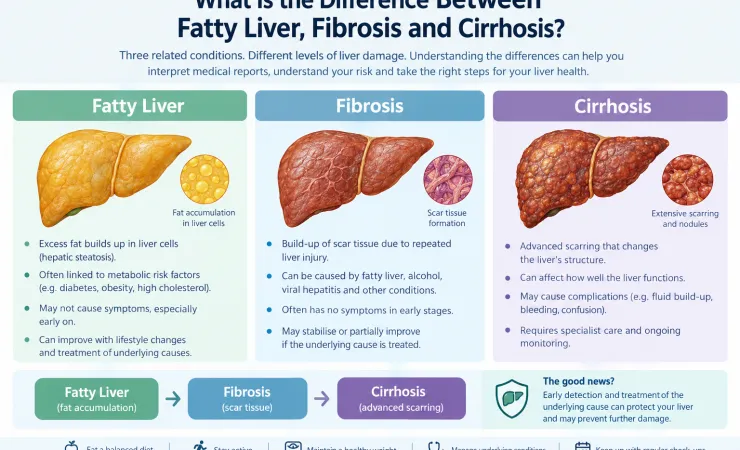
Stage 1: Fatty liver (steatosis)
At the earliest stage, excess fat accumulates inside liver cells.
Fatty liver does not necessarily mean that permanent liver damage has occurred. Many people have fat in the liver without significant inflammation or scarring.
When the underlying metabolic or alcohol-related cause is addressed, liver fat can decrease substantially.
Stage 2: MASH and inflammation
Some people develop inflammation and liver-cell injury in addition to fat accumulation. In metabolic dysfunction-associated steatohepatitis (MASH), ongoing inflammation can eventually cause fibrosis.
This stage is important because persistent inflammation increases the likelihood of progressive scarring.
Stage 3: Fibrosis
Fibrosis means scar tissue has developed in the liver.
Fibrosis is not simply an “all-or-nothing” condition. It develops across stages, from limited scarring to advanced fibrosis.
Importantly, fibrosis is not necessarily a one-way process. Evidence shows that liver fibrosis can regress when the underlying cause of liver injury is effectively controlled.
Stage 4: Cirrhosis
Cirrhosis represents advanced architectural scarring of the liver.
The liver may still function relatively well in compensated cirrhosis, while decompensated cirrhosis can cause complications such as ascites, jaundice, variceal bleeding or hepatic encephalopathy.
Cirrhosis is traditionally considered permanent damage. Current evidence, however, shows that some patients can experience fibrosis regression when the underlying cause is successfully removed or controlled. This does not mean that every person with cirrhosis can return to a completely normal liver.
Key Facts About Liver Damage Reversal
Early disease generally has greater potential for improvement.
Reducing liver fat can occur before significant fibrosis develops.
Treating the underlying cause is more important than simply trying to lower liver enzymes.
Fibrosis can regress in some people, but the process can take a long time.
Advanced cirrhosis requires specialist medical monitoring even when liver tests improve.
A normal ALT or AST does not necessarily prove that fibrosis has disappeared.
Improvement in symptoms or blood tests does not automatically mean that the underlying scar tissue has completely resolved.
What Causes Liver Damage?
The possibility of recovery depends partly on the cause.
Metabolic fatty liver disease
Metabolic dysfunction-associated steatotic liver disease is associated with metabolic risk factors such as obesity and type 2 diabetes.
For people with overweight or obesity, gradual weight loss can reduce liver fat and may improve inflammation and fibrosis. NIDDK notes that losing around 3–5% of body weight can reduce liver fat, while greater weight loss may be needed to improve inflammation and fibrosis.
Alcohol-related liver disease
Stopping alcohol exposure can allow the liver to recover from some forms of alcohol-related injury. The earlier harmful alcohol exposure is addressed, the greater the opportunity to prevent progression. Later-stage cirrhosis is much more difficult to reverse.
Viral hepatitis
Chronic hepatitis B and C can cause progressive liver injury. Effective antiviral treatment can substantially reduce ongoing liver damage and, in some circumstances, allow fibrosis to regress.
Diagnosis and Testing
You cannot reliably determine the amount of liver scarring from symptoms alone.
Doctors may combine:
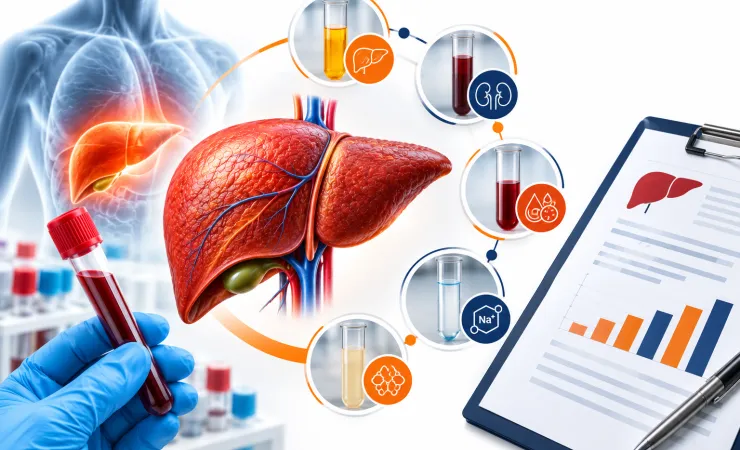
Blood tests, including liver enzymes, bilirubin, albumin and platelet count.
FIB-4 or other blood-based scores to estimate the likelihood of advanced fibrosis.
Ultrasound to assess liver structure and detect fat or signs of advanced disease.
Elastography/FibroScan, which estimates liver stiffness and can help assess fibrosis.
MRI-based tests in selected patients.
Liver biopsy when the diagnosis or severity remains uncertain.
One important point is that ordinary ultrasound can identify fat but is not sufficient by itself to accurately stage fibrosis. Elastography provides additional information about liver stiffness.
Treatment and Management
Treat the underlying cause
There is no single treatment that reverses every type of liver damage.
Management may involve:
Gradual weight loss where appropriate.
Regular physical activity.
Controlling diabetes, cholesterol and blood pressure.
Avoiding harmful alcohol exposure.
Treating viral hepatitis when present.
Reviewing medicines and supplements with a healthcare professional.
Monitoring established cirrhosis for complications.
For fatty liver disease, healthy eating and physical activity can reduce liver fat, while appropriate weight loss can improve inflammation and fibrosis. Rapid weight loss and malnutrition should be avoided.
Monitor progress rather than relying on one test
A common mistake is to assume that a lower ALT automatically means the liver has healed.
Doctors may instead look at trends over time, including blood tests, fibrosis scores and liver stiffness measurements where appropriate.
Practical Tips for Patients and Caregivers
Keep copies of important blood-test results and imaging reports.
Ask your clinician what your fibrosis stage means specifically in your case.
Focus on treating the underlying cause rather than chasing a single laboratory number.
Avoid unproven “liver detox” products; some supplements can themselves cause liver injury.
If you have cirrhosis, continue specialist follow-up even if you feel well.
Keep a record of medications, alcohol exposure, weight and relevant metabolic conditions.
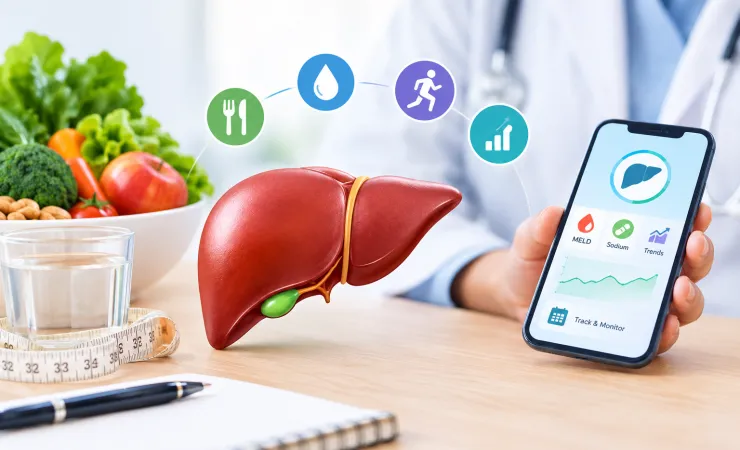
Digital tools such as the Liverlytics mobile applicationcan be used as supportive record-keeping tools for liver-health information, including historical laboratory results, MELD 3.0 values, sodium levels, trends and date ranges. Reports can also help organise information before a healthcare appointment. These tools do not diagnose liver disease or determine whether fibrosis has reversed.
Common Misconceptions
“If my liver enzymes are normal, my liver is healed.”
Not necessarily. Liver enzymes provide useful information but do not directly measure the amount of fibrosis. Additional assessment may be required when there is a significant risk of advanced liver disease.
“Fibrosis always becomes cirrhosis.”
No. Fibrosis can remain stable, progress or regress depending on the cause and how effectively ongoing liver injury is controlled.
“Cirrhosis can never improve.”
This is too absolute. Current evidence shows that fibrosis and even some established cirrhosis can show regression after successful treatment of the underlying cause. However, regression does not mean that every structural change or complication disappears.
“A liver detox can reverse scarring.”
There is no evidence that commercial detox products can reliably reverse liver fibrosis. Treatment should focus on the diagnosed cause of liver injury.
When Should You Speak to a Doctor?
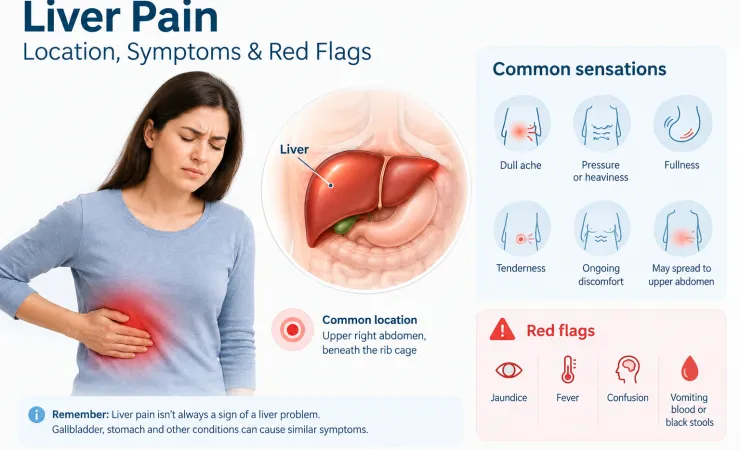
Seek medical assessment if you have:
Persistent jaundice.
Abdominal swelling or leg swelling.
Vomiting blood or passing black stools.
New confusion or unusual drowsiness.
Unexplained weight loss.
Persistent itching with other liver-related symptoms.
Known hepatitis or significant alcohol exposure.
Abnormal liver tests that remain unexplained.
A scan suggesting fibrosis or cirrhosis.
Vomiting blood, black stools, severe confusion or rapidly worsening jaundice can indicate a medical emergency and require urgent care.
Expert Insights
One of the most important distinctions is between improving liver function and reversing liver architecture.
A patient may feel considerably better and have improved laboratory results while residual fibrosis remains. Conversely, fibrosis regression may occur gradually without dramatic symptoms.
The goal should therefore not simply be “normal liver enzymes”. The broader objective is to remove or control the cause of injury, prevent further progression and monitor whether liver structure and function improve over time.
Evidence from modern hepatology has also challenged the old idea that cirrhosis is always a completely irreversible endpoint. Regression has been documented in selected patients, but it depends on the underlying disease, severity, duration and effectiveness of treatment.
People Also Ask
Can Stage 1 fatty liver be reversed?
Often, yes. Reducing the underlying metabolic drivers can reduce liver fat, and early disease has substantial potential for improvement.
Can liver fibrosis be reversed?
Fibrosis can regress in some people after the cause of liver injury is effectively treated. The degree and speed of regression vary considerably.
Can Stage 3 liver fibrosis go away?
Advanced fibrosis may improve, but it should not be assumed to disappear completely. Specialist assessment and long-term monitoring are important.
Can Stage 4 cirrhosis be reversed?
Established cirrhosis is generally regarded as advanced permanent liver damage, but partial regression of fibrosis has been documented in some patients after effective treatment of the underlying cause.
How long does it take the liver to heal?
There is no universal recovery time. Improvement in liver fat may occur sooner than meaningful changes in fibrosis, which can take months or years.
Can weight loss reverse fatty liver?
Appropriate gradual weight loss can reduce liver fat and may improve inflammation and fibrosis in people with metabolic fatty liver disease.
Can stopping alcohol reverse liver damage?
Stopping alcohol can allow significant recovery from earlier stages of alcohol-related liver disease. Advanced cirrhosis is much harder to reverse.
Can you have liver fibrosis without symptoms?
Yes. Liver fibrosis may cause few or no noticeable symptoms, particularly during earlier stages.
Frequently Asked Questions
Is liver damage permanent?
Not always. Fat accumulation and inflammation can improve, and fibrosis may regress in some circumstances. Advanced cirrhosis is more difficult and generally cannot be completely reversed.
Can the liver repair itself?
Yes. The liver has substantial regenerative capacity. However, regeneration does not mean that every type or stage of chronic scarring can be completely undone.
Does fibrosis always mean cirrhosis?
No. Fibrosis represents scarring at different stages. Cirrhosis is the advanced stage in which extensive scarring alters the liver's structure and function.
Can cirrhosis improve if the cause is treated?
Liver function and complications can improve, and fibrosis regression can occur in some patients. Nevertheless, cirrhosis requires ongoing medical monitoring.
Does exercise help fatty liver?
Yes. Physical activity can benefit fatty liver disease even when it does not result in substantial weight loss.
Can normal blood tests rule out fibrosis?
No. Blood tests can provide useful clues, but additional fibrosis assessment may be necessary depending on a person's risk profile.
Is liver stiffness the same as liver fibrosis?
Not exactly. Elastography measures liver stiffness, which can be influenced by fibrosis and other factors. Doctors interpret the result alongside clinical and laboratory information.
Should someone with cirrhosis stop monitoring their liver if they feel better?
No. Feeling better does not necessarily mean that cirrhosis has disappeared. Continued medical follow-up remains important.
Key Takeaways
Is liver damage reversible? Sometimes, particularly when the cause is identified and treated early.
Fatty liver is generally more reversible than advanced fibrosis or cirrhosis.
Fibrosis can regress in some patients when ongoing liver injury is controlled.
Cirrhosis is advanced scarring, but partial regression is possible in selected circumstances.
Normal liver enzymes do not necessarily mean that fibrosis has disappeared.
Treatment should focus on the underlying cause, not simply on improving laboratory numbers.
Long-term monitoring is important for people with significant fibrosis or cirrhosis.
A healthcare professional should interpret fibrosis tests and determine appropriate follow-up.
Conclusion
The science gives a more nuanced answer than simply “yes” or “no”. The earlier liver injury is identified and its cause is controlled, the greater the opportunity for recovery.
Fatty liver and inflammation can often improve. Fibrosis may regress in some people. Cirrhosis remains serious and requires long-term medical care, although modern evidence shows that even advanced fibrosis can sometimes remodel when the underlying injury is successfully treated.
The most useful question is therefore not only “Can my liver damage be reversed?”, but also “What is causing the damage, how advanced is it, and what can be done now to prevent further injury?”

“ Do what you can, with what you have, where you are. ”
— Theodore Roosevelt
Posted in:
Marketing
Let’s Get in Touch
Your email address will not be published. Required fields are marked *
Recent Post
Looking for a Smarter Way to Track Liver Health?
Try it stress-free — We never modify medical data without your confirmation.

Comments :
Ooops!
No comments found.