Blog Post Details Page
10:09 AM | March 12, 2026 251 Views
Understanding the Liver: Your Body's Silent Powerhouse
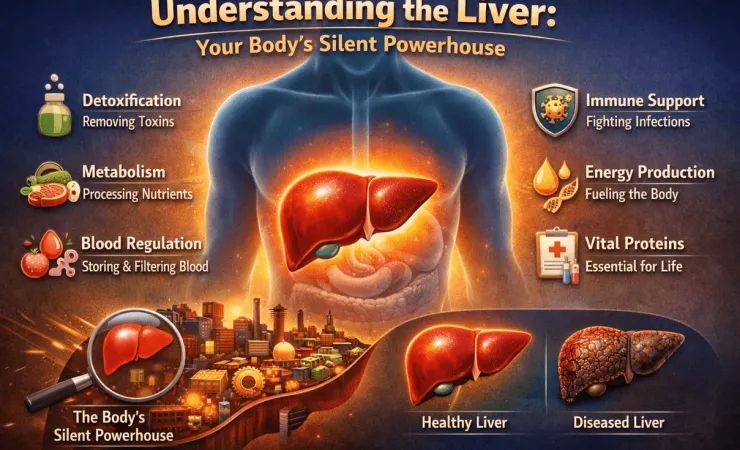
Overview of liver anatomy and why it matters
Published: March 26, 2026 | Expert Medical Review | 8-minute read
Your liver is one of the most vital organs in your body, yet most of us rarely think about it. Operating silently in the background, this remarkable organ performs over 500 distinct functions daily—from filtering toxins to producing essential proteins. Understanding how your liver works is the first step toward protecting this precious powerhouse and maintaining optimal health.
The Liver: Quick Facts About Your Body's Workhorse
Fact
Detail
Weight
1.5 kg (3-3.5 lbs) - Average weight
Body Percentage
2% of body weight
Functions
500+ distinct functions
Regeneration
75% can regenerate from remaining tissue
Liver Anatomy: Understanding the Structure
To appreciate what the liver does, it helps to understand its physical structure. The liver is divided into two main lobes—the larger right lobe and the smaller left lobe—separated by the falciform ligament. Beneath this anatomical division lies a sophisticated functional architecture.
Key Liver Components:
· Hepatocytes: The primary liver cells that perform most of the metabolic work. Each liver contains approximately 240 billion hepatocytes working in concert.
· Kupffer Cells: Specialized immune cells that engulf bacteria, dead cells, and foreign pathogens. They're the liver's immune defense team.
· Blood Sinusoids: Tiny blood vessels where hepatocytes extract substances from blood. They're more permeable than regular capillaries.
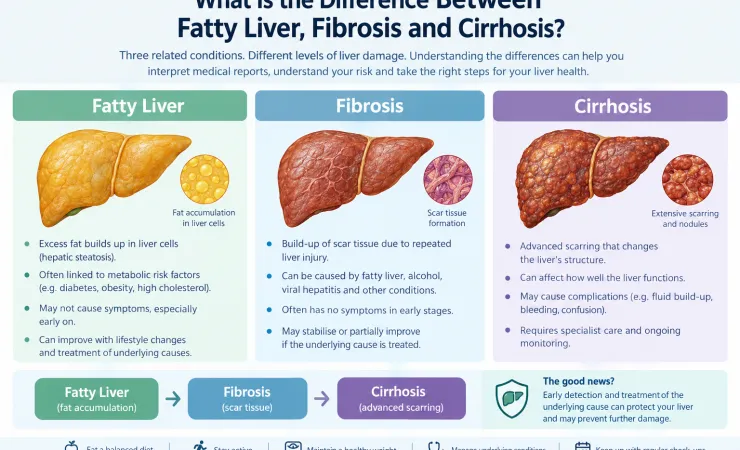
· Stellate Cells: Store vitamin A and produce collagen. When damaged, they play a role in liver fibrosis and scarring.
The 500+ Functions: What Does Your Liver Actually Do?
The liver's responsibilities span three major categories: detoxification, synthesis, and storage. Let's break down the most critical ones:
Detoxification & Filtration
Your liver filters approximately 1.5 liters of blood every minute, removing harmful substances including:
· Medications: Breaking down drugs into water-soluble forms for elimination
· Alcohol: Metabolizing ethanol to prevent accumulation in the bloodstream
· Heavy metals: Binding and preparing them for excretion
· Ammonia: Converting toxic ammonia to urea for kidney excretion
Research Finding (2023): A study published in Nature Metabolism revealed that the liver's detoxification capacity decreases by approximately 10% per decade after age 30, explaining why older adults are more sensitive to medications and alcohol.
Protein Synthesis
The liver manufactures essential proteins that regulate virtually every bodily process:
· Albumin: Transports nutrients, hormones, and drugs throughout the bloodstream
· Clotting factors: Enable blood coagulation to prevent excessive bleeding
· Immune proteins: Including immunoglobulins that fight infections
Bile Production
The liver produces 800-1000 mL of bile daily. Bile is essential for:
· Emulsifying fats for proper digestion
· Eliminating cholesterol
· Removing bilirubin (a byproduct of red blood cell breakdown)
Glucose Metabolism
The liver is your body's "glucose tank," storing energy as glycogen and releasing glucose between meals to maintain blood sugar stability.
Fat Metabolism
The liver processes dietary fats and produces cholesterol, triglycerides, and lipoproteins needed for cellular function and energy.
How the Liver Processes Toxins: Step-by-Step
The liver's detoxification process, called the "Phase System," works in three coordinated phases:
1. Phase 1 - Modification: The liver's cytochrome P450 enzyme system transforms fat-soluble compounds into chemically reactive intermediates. This prepares toxins for elimination.
2. Phase 2 - Conjugation: Molecules like glutathione, sulfate, and amino acids attach to modified toxins, making them water-soluble and less harmful.
3. Phase 3 - Transport & Elimination: Specialized transporters move conjugated compounds into bile or blood for elimination through feces or urine.
Important Note: Each phase requires specific nutrients and enzymes. A deficiency in any of these (common in modern diets lacking whole foods) can compromise the entire detoxification system.
Practical Tips for Liver Health
Evidence-Based Strategies to Support Your Liver
Limit Alcohol Consumption: The WHO recommends no more than 10 drinks per week for women and 15 for men. Alcohol is metabolized exclusively by the liver, and excessive consumption leads to fatty liver disease and cirrhosis. Even moderate drinking affects liver fat accumulation.
Maintain a Healthy Weight: Obesity increases the risk of NAFLD by 90%. Even a 5-10% weight reduction significantly improves liver health markers. Combine a balanced diet with regular exercise—150 minutes of moderate cardio weekly is ideal.
Eat Liver-Supportive Foods: Cruciferous vegetables (broccoli, Brussels sprouts, cabbage) contain sulforaphane, which activates Phase 2 detoxification enzymes. Berries are rich in anthocyanins, protective antioxidants. Fatty fish provide omega-3s that reduce liver inflammation. Coffee (3-4 cups daily) reduces liver fibrosis risk by 26% according to meta-analyses.
Stay Hydrated: Water supports all physiological functions, including liver detoxification. Aim for 2-3 liters daily, more if you exercise regularly. Proper hydration improves bile flow and kidney function, reducing the liver's burden.
Limit Processed Foods and Sugar: Excessive refined sugars (>25g daily for women, >36g for men) promote hepatic fat accumulation. Processed foods contain additives that require liver metabolism. Read labels carefully.
Be Cautious with Supplements: Some supplements stress the liver. Kava, greater celandine, and high-dose niacin can cause hepatotoxicity. Always inform your doctor about supplements you're taking, especially if you have existing liver disease.
Get Regular Exercise: Studies show that aerobic exercise reduces liver fat independent of weight loss. Aim for 150-200 minutes of moderate-intensity activity weekly. Resistance training also improves insulin sensitivity, protecting the liver.
Screen for Hepatitis: If you've ever used IV drugs, had unprotected sex, or were born before hepatitis screening began, ask your doctor about hepatitis A, B, and C testing. Early detection enables effective treatment.
Latest Research: What Science Reveals About Liver Health
2024 Breakthrough Finding: Researchers at Stanford University discovered that certain gut bacteria (specifically, Akkermansia muciniphila) directly influence liver health. A study published in Cell Metabolism showed that patients with fatty liver disease had significantly lower levels of this beneficial bacterium, suggesting that probiotics may offer therapeutic potential.
The Coffee Study Results
A comprehensive meta-analysis of 16 studies involving over 400,000 participants found that drinking 3-4 cups of coffee daily reduced liver fibrosis and cirrhosis risk by 26-30%. The mechanism: Coffee contains chlorogenic acid and polyphenols that reduce inflammation and support detoxification.
Intermittent Fasting & Liver Health
Recent research in Cellular Metabolism (2023) shows that time-restricted eating (eating within an 8-hour window) improves liver fat reduction more effectively than simple calorie restriction in some patients. However, results vary by individual, and consultation with a healthcare provider is essential.
Warning Signs: When to See Your Doctor
Your liver is remarkable at regenerating and adapting, but certain symptoms signal trouble:
· Persistent fatigue or weakness
· Yellowing of skin or eyes (jaundice)
· Dark urine or pale stools
· Abdominal pain or swelling
· Easy bruising or excessive bleeding
· Loss of appetite or unexplained weight loss
· Nausea or vomiting
If you experience any of these symptoms, seek medical evaluation promptly. Early detection of liver disease dramatically improves treatment outcomes.
Key Takeaway
Your liver is a resilient, self-regenerating organ that performs miracles every second. By understanding its anatomy and functions, and implementing evidence-based protective strategies—limiting alcohol, maintaining a healthy weight, eating whole foods, staying active, and getting regular checkups—you give this silent powerhouse the support it needs to keep you healthy for decades to come.
Further Reading & Resources
· American Liver Foundation: www.liverfoundation.org - Comprehensive patient education and clinical resources
· Journal of Hepatology: Peer-reviewed research on liver diseases and treatments
· WebMD Liver Guide: Patient-friendly explanations of liver conditions and medications
· Mayo Clinic Liver Health: Evidence-based clinical guidance

“ Do what you can, with what you have, where you are. ”
— Theodore Roosevelt
Let’s Get in Touch
Your email address will not be published. Required fields are marked *
Recent Post
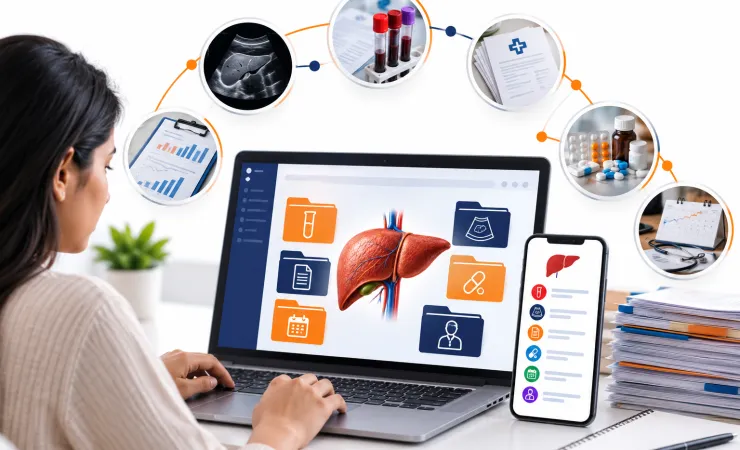
Looking for a Smarter Way to Track Liver Health?
Try it stress-free — We never modify medical data without your confirmation.

Comments :
Ooops!
No comments found.