Blog Post Details Page
05:17 PM | May 14, 2026 231 Views
Can Liver Cirrhosis Turn Into Liver Cancer? Warning Signs You Should Know
The liver is often called the body’s silent engine. It works around the clock, filtering toxins, supporting digestion, storing nutrients, and helping the body maintain balance. But when continuous liver damage occurs over many years, the liver slowly begins to scar. This condition is known as liver cirrhosis, and it is one of the most serious forms of chronic liver disease.
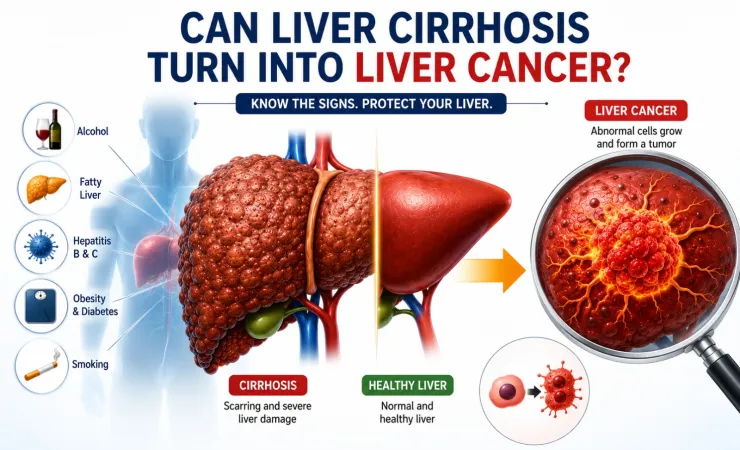
A question many patients ask is: can liver cirrhosis turn into liver cancer? The answer is yes. In fact, cirrhosis is one of the biggest risk factors for developing liver cancer, especially hepatocellular carcinoma (HCC), the most common type of liver cancer.
Understanding the connection between liver cirrhosis and liver cancer can help people recognize symptoms early and seek timely liver treatment before complications become severe.
How Liver Cirrhosis Can Lead to Liver Cancer
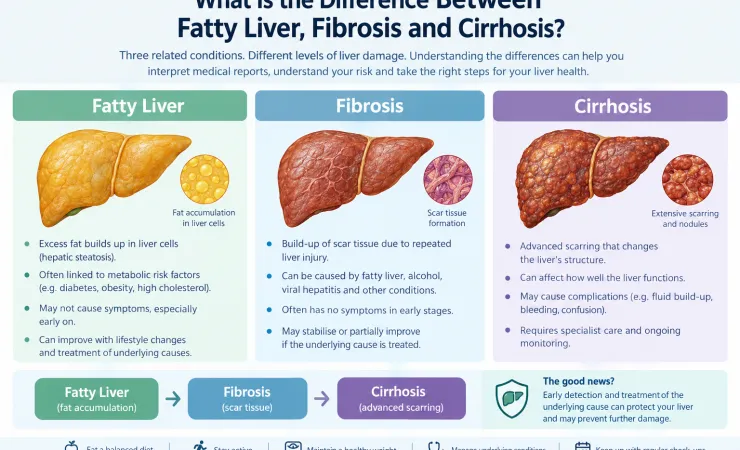
Cirrhosis develops when healthy liver tissue is replaced by scar tissue after years of inflammation or injury. Common causes include excessive alcohol use, fatty liver, chronic hepatitis B and hepatitis C, obesity, diabetes, and long-term untreated liver disease.
As scar tissue spreads, the liver struggles to repair itself properly. Over time, damaged liver cells may start changing abnormally, increasing the cirrhosis liver cancer risk. This process usually happens slowly, which is why many patients do not notice symptoms in the early stages.
Not every person with liver cirrhosis will develop cancer, but advanced cirrhosis significantly raises the chances. That is why doctors strongly recommend regular liver screening and follow-up tests for cirrhosis patients.
Warning Signs You Should Never Ignore
One of the biggest dangers of both liver cirrhosis and liver cancer is that symptoms can remain hidden for a long time. Many people dismiss early liver symptoms as weakness, poor digestion, or stress.
However, some signs should never be ignored:
Sudden or unexplained weight loss
Loss of appetite
Extreme tiredness and weakness
Persistent stomach discomfort
Pain in the upper right abdomen
Yellow eyes or skin (jaundice)
Fluid buildup in the stomach (ascites)
Swollen abdomen
Dark urine
Nausea and vomiting
If a patient already has cirrhosis symptoms and notices rapid worsening, doctors may investigate for possible cancer development.
Difference Between Liver Cirrhosis and Liver Cancer
Many people confuse liver cirrhosis with liver cancer, but they are different conditions.
Cirrhosis is severe scarring caused by long-term liver damage, while liver cancer occurs when abnormal liver cells begin growing uncontrollably. Cirrhosis itself is not cancer, but it creates an unhealthy environment inside the liver where cancer can develop more easily.
Think of cirrhosis as damaged soil. Over time, that damaged environment can allow dangerous cells to grow silently.
Who Has a Higher Risk?
Certain factors increase the chances of liver cancer in cirrhosis patients, including:
Chronic hepatitis infection
Heavy alcohol consumption
Severe fatty liver disease
Diabetes and obesity
Smoking
Family history of liver cancer
Advanced liver failure
People with these conditions should never delay routine checkups or ignore worsening cancer symptoms.
Why Early Liver Screening Matters
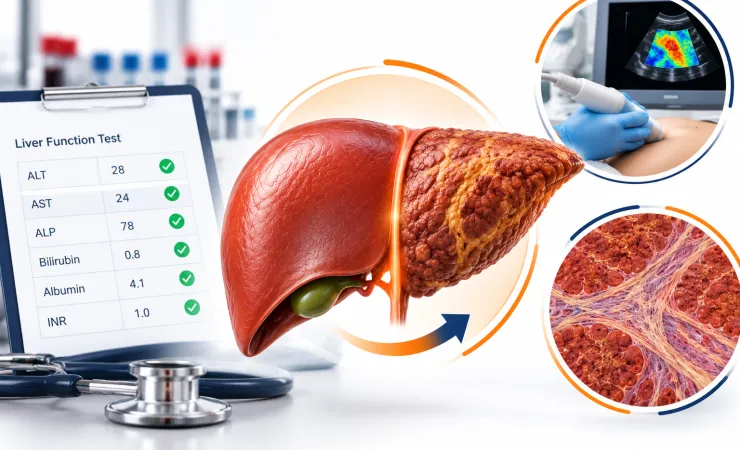
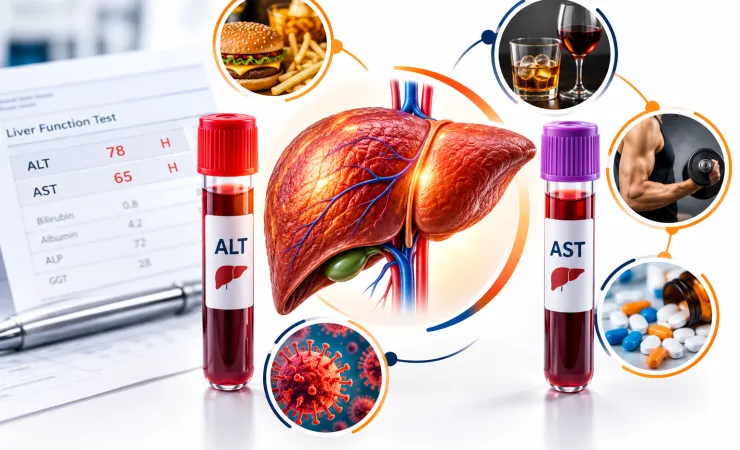
Regular liver screening can detect cancer at an early stage when treatment is more effective. Doctors may recommend:
Liver function tests
Ultrasound scans
CT or MRI scans
AFP blood tests
Monitoring becomes extremely important for patients already diagnosed with liver cirrhosis complications.
Today, digital health tools are helping patients manage chronic liver disease more effectively. The mobile application helps users track liver symptoms, organize medical reports, monitor medications, and manage follow-up appointments in one place. For patients with liver cirrhosis or fatty liver, Liverlytics supports better liver health monitoring and long-term care management.
Can Liver Cancer Be Prevented?
Although not every case can be prevented, healthy lifestyle choices can reduce risk significantly.
Doctors commonly advise patients to:
Avoid alcohol completely
Maintain healthy body weight
Eat a balanced liver-friendly diet
Exercise regularly
Control diabetes and cholesterol
Take prescribed medicines properly
Get routine liver screening tests
Monitor worsening liver symptoms carefully
Small daily habits often play a powerful role in protecting liver health.
Final Thoughts
So, can liver cirrhosis turn into liver cancer? Unfortunately, yes. Long-term liver disease and untreated cirrhosis can increase the risk of cancer over time. But early diagnosis, regular monitoring, proper liver treatment, and healthy lifestyle changes can help reduce complications and improve quality of life.
The liver usually does not fail overnight. It sends quiet warning signals first. Paying attention to those signs early may help prevent serious complications and protect long-term health before the damage becomes irreversible.

“ Always remember that you are absolutely unique. Just like everyone else. ”
— Margaret Mead
Let’s Get in Touch
Your email address will not be published. Required fields are marked *
Recent Post

Looking for a Smarter Way to Track Liver Health?
Try it stress-free — We never modify medical data without your confirmation.

Comments :
Ooops!
No comments found.