Blog Post Details Page

12:06 PM | April 21, 2026 222 Views
Hepatitis A, B, and C: Understanding the Differences — A Practical Guide to Viral Hepatitis and Liver Health
Your liver is a silent powerhouse. It filters toxins, processes nutrients, supports digestion, and keeps your body in balance. But when infections like viral hepatitis strike, this vital organ can slowly move toward serious conditions like liver cirrhosis, chronic liver disease, and even liver failure—often without early warning signs.
The three most common types—Hepatitis A, Hepatitis B, and Hepatitis C—affect the liver differently. Understanding their differences can help you prevent complications like fibrosis of liver, cirrhosis, and liver cancer.
Hepatitis A: The Acute but Short-Term Infection
Hepatitis A is usually an acute liver infection caused by consuming contaminated food or water. It is closely linked to poor sanitation and hygiene.
Common Hepatitis A symptoms include fatigue, nausea, vomiting, abdominal pain, and jaundice. While it can temporarily affect liver function, it rarely leads to chronic liver disease orcirrhosis of liver.
Most patients recover fully within a few weeks without long-term damage. Prevention is simple yet powerful—Hepatitis A vaccination, clean drinking water, and proper hygiene.
Hepatitis B: A Major Cause of Chronic Liver Disease
Hepatitis B is more serious because it can become a chronic liver infection. It spreads through infected blood, unprotected contact, or from mother to child.
In many cases, Hepatitis B symptoms are mild or unnoticed initially. However, when the infection becomes chronic, it can lead to progressive liver damage, including:
Liver fibrosis (scarring of liver tissue)
Liver cancer (hepatocellular carcinoma)
Chronic Hepatitis B is one of the leading causes of cirrhosis of liver worldwide. Over time, patients may develop symptoms like fluid accumulation (ascites), swelling, or fatigue—signs of declining liver function.
The good news is that Hepatitis B vaccination offers strong protection, and early diagnosis helps manage the disease effectively.
Hepatitis C: The Silent Driver of Liver Cirrhosis
Hepatitis C is often referred to as a silent liver disease because it may not show symptoms for years. It spreads mainly through blood exposure, such as unsafe injections or contaminated medical equipment.
What makes it particularly dangerous is its strong link to chronic liver disease and cirrhosis. Many untreated cases gradually progress through stages:
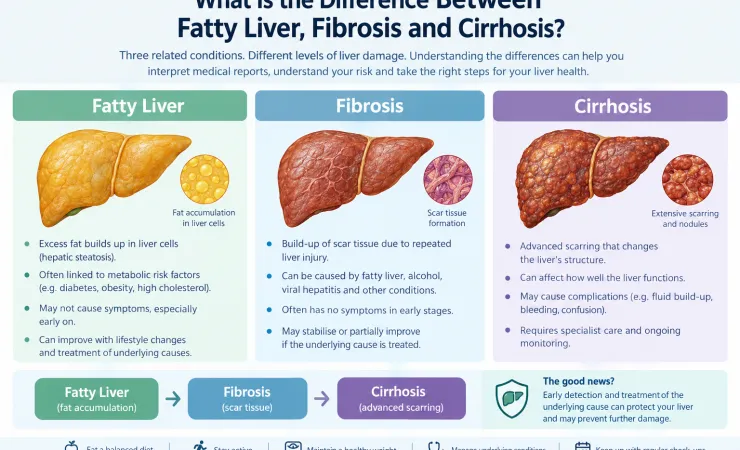
Healthy liver → Fatty liver (steatosis) → Fibrosis → Cirrhosis → Liver failure
Patients may only notice symptoms when the disease has advanced—such as jaundice, swelling in abdomen, easy bruising, or confusion (hepatic encephalopathy).
The positive side? Modern Hepatitis C treatment can cure the infection in many cases, preventing further liver damage if detected early.
The Link Between Hepatitis and Cirrhosis
One of the most important things to understand is how untreated hepatitis can lead to liver cirrhosis.
Cirrhosis is not a sudden condition—it develops gradually as healthy liver tissue is replaced with scar tissue. This reduces the liver’s ability to function properly and can eventually lead to end-stage liver disease.
Common cirrhosis symptoms include:
Persistent fatigue
Loss of appetite
Swelling in legs and abdomen
Yellowing of skin (jaundice)
Easy bleeding or bruising
Once cirrhosis develops, the damage is often irreversible, which is why early detection and monitoring of liver function is critical.
Managing Liver Health: Beyond Awareness
Understanding hepatitis is only the first step. The real challenge is managing it consistently—tracking reports, following medications, and monitoring symptoms over time.
For patients dealing with chronic liver disease, Hepatitis B, Hepatitis C, or cirrhosis, this can quickly become overwhelming.
How Liverlytics Supports Patients with Liver Disease
This is where the Liverlytics mobile application becomes incredibly valuable—not just as a tool, but as a daily health companion.
For someone managing liver cirrhosis, fatty liver disease, or chronic hepatitis, Liverlytics helps bring structure and clarity to their health journey.
Here’s how it helps in real life:
Centralized medical records
Keep all your liver reports, test results, and scans in one place. This is especially helpful for tracking progression of fibrosis or cirrhosis over time.Medication and test reminders
Consistency is key in managing chronic liver disease. The app ensures you never miss critical medications or follow-ups.Symptom monitoring
Track signs like fatigue, swelling, or jaundice—helping detect early warning signals of worsening liver function.Better disease understanding
Access reliable insights about hepatitis, cirrhosis, and liver health, empowering patients to make informed decisions.Improved doctor consultations
When your health data is organized, doctors can make faster and more accurate treatment decisions.
For patients living with long-term conditions like cirrhosis of liver, this kind of support can significantly improve quality of life and treatment outcomes.
Final Thoughts
Hepatitis A, B, and C are more than just infections—they are potential starting points of serious liver conditions if ignored. From fatty liver to fibrosis, and eventually liver cirrhosis, the progression can be silent but severe.
The key is simple but powerful:
Stay informed
Get vaccinated where possible
Go for regular liver function tests
Monitor your health consistently
And most importantly, use tools like Liverlytics to stay one step ahead.
Because when it comes to liver health, early action isn’t just helpful—it’s life-saving.

“ Breathing in, I calm body and mind. Breathing out, I smile. ”
— Thich Nhat Hanh
Let’s Get in Touch
Your email address will not be published. Required fields are marked *
Recent Post

Looking for a Smarter Way to Track Liver Health?
Try it stress-free — We never modify medical data without your confirmation.

Comments :
Ooops!
No comments found.