Blog Post Details Page
04:02 PM | May 12, 2026 253 Views
Fatty Liver vs Liver Cirrhosis: Understanding the Difference Before It Becomes Serious
The liver works like the body’s natural filtration system, processing nutrients, removing toxins, and supporting digestion every single day. But when excess fat and long-term damage begin affecting the liver, conditions like fatty liver and liver cirrhosis can develop silently. Many people think both conditions are the same, but understanding the difference between fatty liver and liver cirrhosis is important for protecting long-term liver health.
What Is Fatty Liver?
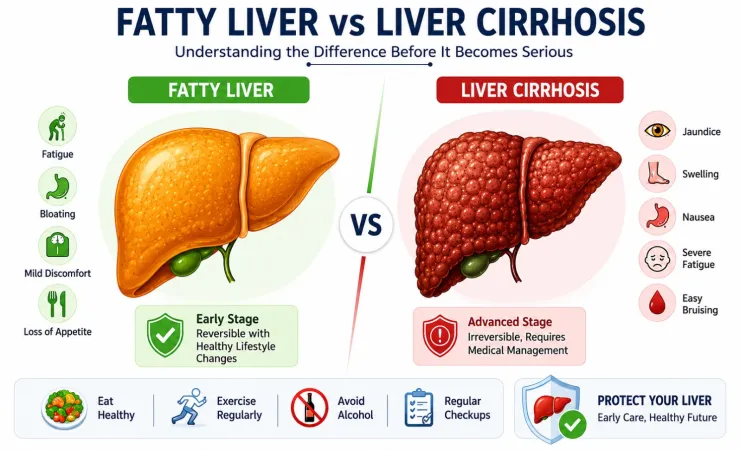
Fatty liver disease occurs when too much fat accumulates inside liver cells. This condition is becoming increasingly common because of unhealthy diets, obesity, diabetes, lack of physical activity, and alcohol consumption. In many cases, people may not notice symptoms during the early stage of this liver disease.
Common fatty liver symptoms include fatigue, bloating, mild abdominal discomfort, weakness, and loss of appetite. Since symptoms are often mild, many people discover fatty liver during routine blood tests or ultrasound scans.
The positive side is that fatty liver is usually reversible. Healthy eating, weight management, exercise, and avoiding alcohol can significantly improve liver condition and prevent further liver damage.
What Is Liver Cirrhosis?
Liver cirrhosis is an advanced stage of chronic liver damage where healthy liver tissue gets replaced with scar tissue. As scarring increases, the liver gradually loses its ability to function properly.
Unlike fatty liver, cirrhosis is generally irreversible and can lead to serious health complications if not managed properly.
Common liver cirrhosis symptoms include jaundice, swelling in the legs and abdomen, fluid retention, nausea, severe fatigue, easy bruising, and sudden weight loss. In advanced stages, patients may also experience confusion and internal bleeding related to severe liver disease.
Fatty Liver vs Liver Cirrhosis
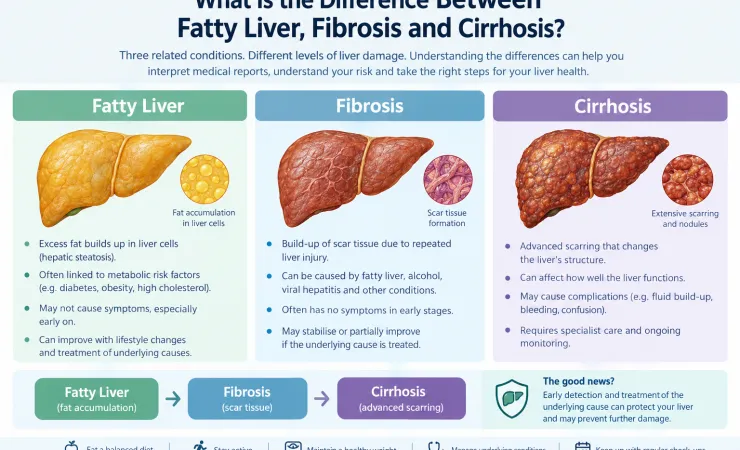
The major difference between fatty liver vs liver cirrhosis lies in the severity of liver damage. Fatty liver is considered an early-stage condition where fat builds up inside the liver, while cirrhosis develops after years of inflammation and scarring.
Fatty liver can often be treated and reversed with lifestyle changes. However, liver cirrhosis treatment mainly focuses on slowing further damage and managing complications because the scarring is usually permanent.
Another important point is that untreated fatty liver disease can slowly progress into cirrhosis over time. This risk becomes higher in people with obesity, diabetes, excessive alcohol intake, or chronic liver inflammation.
How to Protect Liver Health
Protecting the liver starts with simple but consistent lifestyle habits. Eating nutritious food, reducing sugar and processed foods, exercising regularly, and avoiding alcohol can lower the risk of both fatty liver and liver cirrhosis.
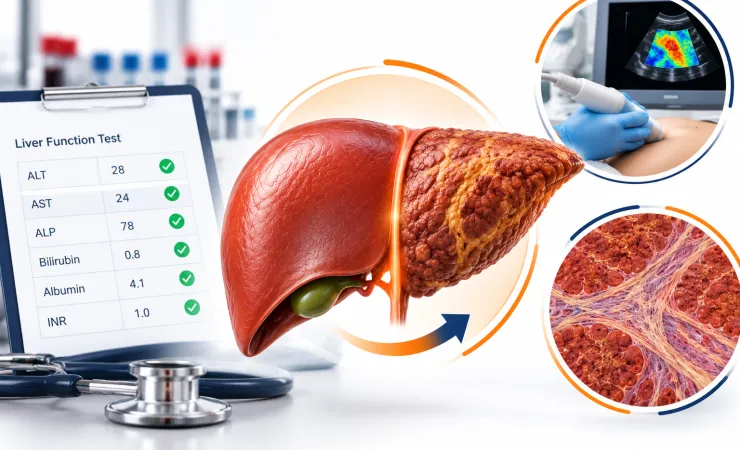
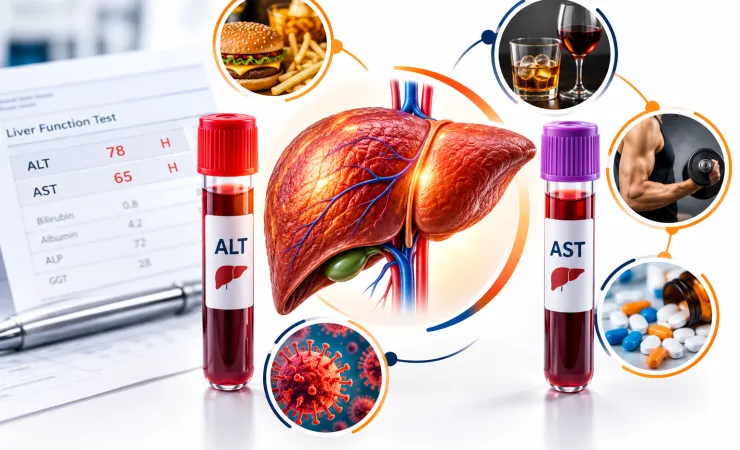
Regular health checkups and liver function tests also help detect early liver symptoms before the condition becomes severe. Many individuals managing chronic liver disease now use digital tools to organize their medical information more efficiently. Platforms like the Liverlytics mobile application can help users track liver reports, symptoms, medications, and appointments in one place, making long-term liver monitoring easier and more organized.
Final Thoughts
Understanding the difference between fatty liver and liver cirrhosis is essential because early action can prevent permanent liver damage. While fatty liver is often reversible, cirrhosis is a serious condition that requires ongoing medical care. Paying attention to early liver symptoms, maintaining a healthy lifestyle, and monitoring overall liver health can help reduce complications and support a healthier future.

“ Order your soul. Reduce your wants. ”
— Augustine
Let’s Get in Touch
Your email address will not be published. Required fields are marked *
Recent Post

Looking for a Smarter Way to Track Liver Health?
Try it stress-free — We never modify medical data without your confirmation.

Comments :
Ooops!
No comments found.