Blog Post Details Page
03:50 PM | April 22, 2026 188 Views
Cirrhosis: Stages, Symptoms, and Management — A Comprehensive Guide to Liver Cirrhosis
Your liver is remarkably resilient. It can repair itself, adapt, and continue working even under stress. But when damage becomes continuous—due to conditions like chronic hepatitis, fatty liver disease, or alcohol-related liver injury—the healing process turns into scarring. Over time, this scarring leads to liver cirrhosis, a serious and often progressive condition.
Understanding the stages of cirrhosis, recognizing early cirrhosis symptoms, and managing the disease effectively can make a significant difference in outcomes.
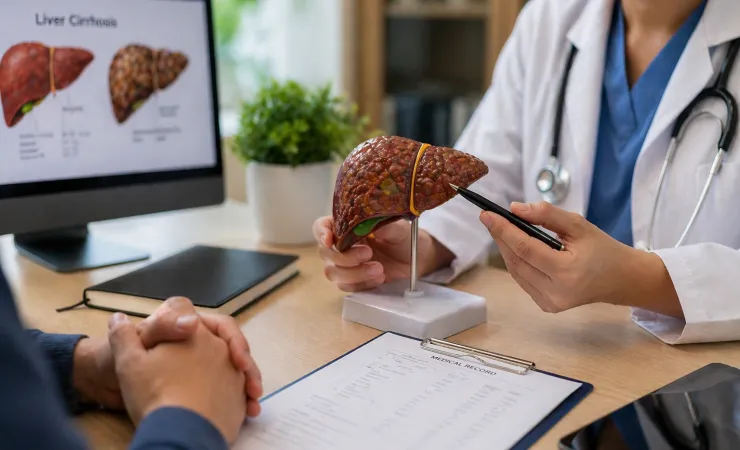
What is Liver Cirrhosis?
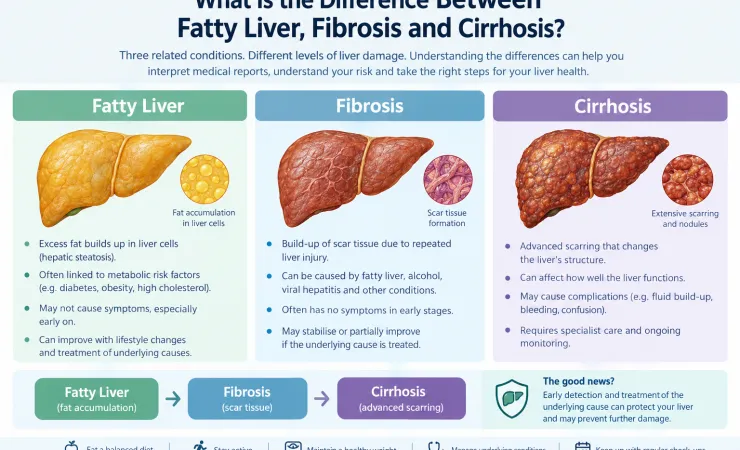
Liver cirrhosis is a late stage of chronic liver disease where healthy liver tissue is replaced with scar tissue (fibrosis). This scarring blocks normal blood flow and reduces the liver’s ability to perform essential functions like detoxification, protein production, and digestion.
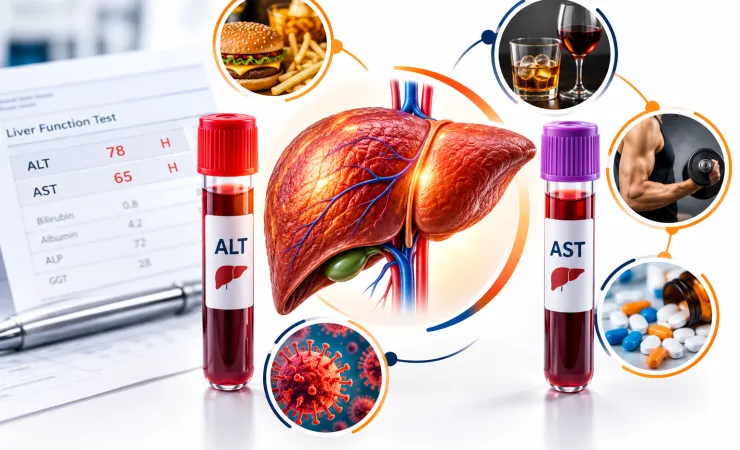
Common causes include:
Chronic Hepatitis B and Hepatitis C
Alcoholic liver disease
Non-alcoholic fatty liver disease (NAFLD)
Long-term liver inflammation and damage
Stages of Liver Cirrhosis
Cirrhosis doesn’t happen overnight. It develops gradually, moving through distinct stages:
1. Early Stage (Compensated Cirrhosis)
At this stage, the liver is damaged but still manages to function.
Minimal or no noticeable symptoms
Mild liver fibrosis begins
Slight fatigue or weakness
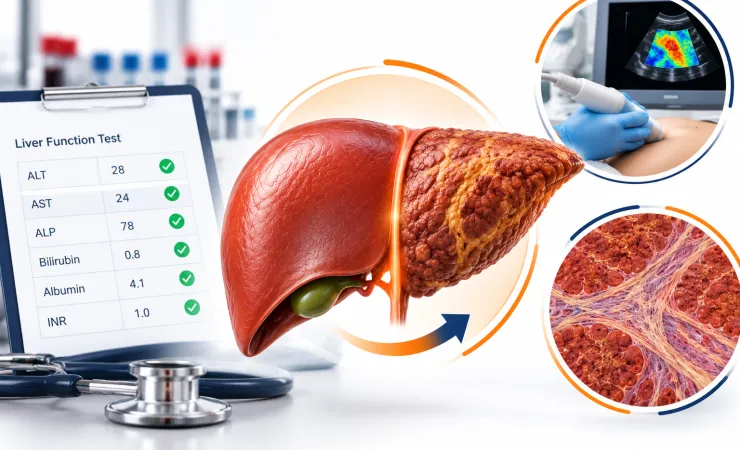
Many patients remain unaware at this stage, which is why routine liver function tests (LFTs) are crucial.
2. Significant Fibrosis and Progression
As scarring increases, liver efficiency starts declining.
Persistent fatigue
Loss of appetite
Mild abdominal discomfort
Early signs of liver inflammation
This is a critical stage where intervention can slow progression.
3. Decompensated Cirrhosis
At this point, the liver can no longer perform essential functions properly.
Ascites (fluid buildup in abdomen)
Jaundice (yellowing of skin and eyes)
Swelling in legs (edema)
Easy bruising and bleeding
Confusion due to hepatic encephalopathy
This stage requires urgent medical care and close monitoring.
4. End-Stage Liver Disease
This is the most advanced stage of cirrhosis.
Severe liver failure
Frequent complications
High risk of liver cancer (hepatocellular carcinoma)
May require liver transplant
Common Symptoms of Cirrhosis
One of the biggest challenges with liver cirrhosis symptoms is that they often appear late. However, some key warning signs include:
Chronic fatigue and weakness
Loss of appetite and weight loss
Nausea and digestive issues
Jaundice
Swelling in abdomen (ascites)
Itchy skin
Easy bruising or bleeding
Mental confusion or memory issues
Recognizing these symptoms early can help prevent severe complications.
Complications of Liver Cirrhosis
If left unmanaged, cirrhosis can lead to:
Portal hypertension (increased pressure in liver veins)
Internal bleeding (varices)
Severe infections
Liver failure
Increased risk of liver cancer
Management of Liver Cirrhosis
While cirrhosis damage is often irreversible, proper management can slow progression, reduce complications, and improve quality of life.
1. Treat the Underlying Cause
Antiviral treatment for Hepatitis B or C
Lifestyle changes for fatty liver disease
Avoid alcohol completely
2. Medications and Monitoring
Medicines to control symptoms like fluid retention or infection
Regular liver function tests and imaging
Monitoring for early signs of complications
3. Diet and Lifestyle Changes
Low-sodium diet to manage ascites
Balanced nutrition to prevent muscle loss
Avoid processed and fatty foods
Maintain a healthy weight
4. Advanced Treatment Options
Procedures to control internal bleeding
Management of hepatic encephalopathy
Liver transplant in severe cases
Managing Cirrhosis with the Right Support
Living with chronic liver disease or cirrhosis of liver requires constant attention—tracking symptoms, remembering medications, and keeping up with medical reports.
This is where the Liverlytics mobile application becomes highly useful for patients.
Instead of managing everything manually, Liverlytics helps simplify the process:
Track liver reports and test results in one place
Set medication reminders to avoid missed doses
Monitor symptoms like swelling, jaundice, or fatigue
Keep a structured record for better doctor consultations
Stay informed about liver health, cirrhosis management, and hepatitis care
For patients dealing with long-term conditions like cirrhosis, this kind of daily support can reduce stress and improve treatment consistency.
Final Thoughts
Liver cirrhosis is a serious condition, but it doesn’t have to be a silent one. The earlier it is detected, the better it can be managed.
By understanding the stages of cirrhosis, recognizing symptoms early, and taking proactive steps—through treatment, lifestyle changes, and consistent monitoring—you can significantly slow disease progression.
And with tools like Liverlytics, managing liver health becomes more structured, informed, and less overwhelming.
Your liver may be silent—but with the right care, you don’t have to be.

“ People find pleasure in different ways. I find it in keeping my mind clear. ”
— Marcus Aurelius
Let’s Get in Touch
Your email address will not be published. Required fields are marked *
Recent Post

Looking for a Smarter Way to Track Liver Health?
Try it stress-free — We never modify medical data without your confirmation.

Comments :
Ooops!
No comments found.