Blog Post Details Page
11:56 AM | April 23, 2026 202 Views
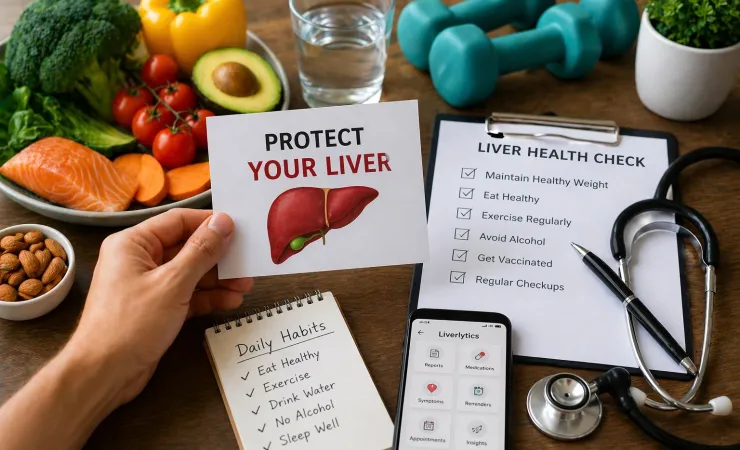
Protecting Your Liver: Evidence-Based Prevention Strategies for Long-Term Liver Health
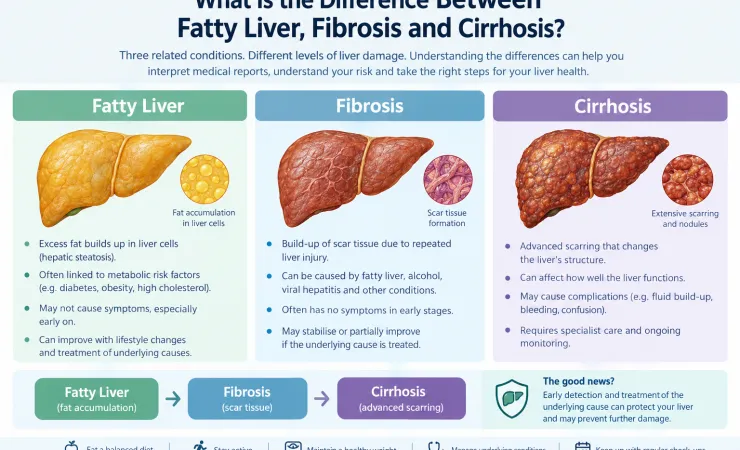
The liver is central to metabolic health, detoxification, immune regulation, and nutrient storage. Despite its remarkable regenerative capacity, sustained injury—from diet, infections, alcohol, or metabolic stress—can initiate a continuum from fatty liver disease to fibrosis, cirrhosis, and ultimately liver failure. The critical insight from hepatology is simple: most liver disease is preventable, and early, consistent intervention changes outcomes.
Below is a practical, expert-informed framework to protect liver function and reduce the risk of chronic liver disease.
1. Prioritize a Metabolically Protective Diet
Diet is the most modifiable determinant of liver health, particularly in non-alcoholic fatty liver disease (NAFLD).
Recommended approach:
Emphasize whole, unprocessed foods: vegetables, fruits, legumes, and whole grains
Include lean proteins and healthy fats (nuts, seeds, olive oil)
Ensure adequate fiber intake to support metabolic balance
Limit:
Refined sugars and high-fructose foods (strongly linked to hepatic fat accumulation)
Ultra-processed foods and trans fats
Excess sodium, particularly in patients at risk of ascites
A nutrient-dense diet reduces hepatic steatosis, lowers inflammation, and helps prevent progression to liver fibrosis and cirrhosis.
2. Maintain a Healthy Body Composition
Excess adiposity, particularly visceral fat, is a key driver of fatty liver disease and subsequent liver injury.
Clinical evidence shows that:
A 5–10% reduction in body weight can significantly reduce liver fat
Regular physical activity improves insulin sensitivity and liver enzyme profiles
Recommendation:
Aim for at least 150 minutes of moderate exercise per week. Both aerobic activity and resistance training contribute to improved liver function.
3. Eliminate or Strictly Limit Alcohol Intake
Alcohol remains a leading cause of alcoholic liver disease and liver cirrhosis.
Chronic alcohol exposure promotes:
Hepatic inflammation
Fibrogenesis (scar formation)
Progressive loss of liver function
For individuals with existing liver conditions, complete abstinence is strongly advised. Even moderate consumption can accelerate disease progression in susceptible individuals.
4. Prevent Viral Hepatitis
Hepatitis B and C are major global contributors to chronic liver disease, cirrhosis, and hepatocellular carcinoma.
Preventive strategies include:
Vaccination against Hepatitis A and Hepatitis B
Avoidance of unsafe injections or unverified blood products
Adherence to infection control and hygiene practices
Early detection and treatment of viral hepatitis significantly reduce the risk of long-term complications.
5. Use Medications Judiciously
The liver metabolizes most pharmacological agents, making it vulnerable to drug-induced liver injury.
Best practices:
Avoid self-medication and unnecessary supplements
Adhere strictly to prescribed dosages
Monitor liver function during long-term therapy
Even commonly used medications can contribute to liver stress when misused.
6. Implement Routine Liver Monitoring
A major challenge in hepatology is that early disease is often asymptomatic. Regular screening allows for early intervention.
Key tools:
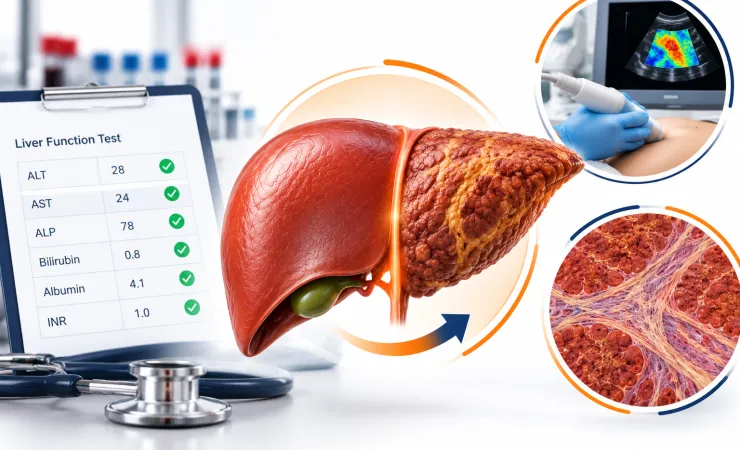
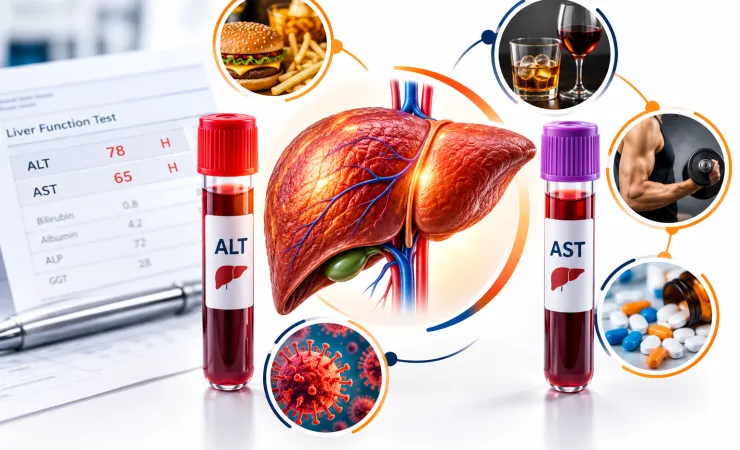
Liver function tests (LFTs)
Imaging (ultrasound, elastography) for detecting fibrosis
Viral screening where indicated
Monitoring enables early identification of liver inflammation, fat accumulation, and progression toward cirrhosis.
7. Recognize Early Clinical Signals
While many liver conditions are silent, subtle symptoms should not be overlooked:
Persistent fatigue
Loss of appetite
Mild abdominal discomfort
Early jaundice
Fluid retention or swelling
These may indicate evolving liver dysfunction and warrant prompt evaluation.
8. Structured Self-Monitoring and Digital Support
Effective liver care extends beyond clinical visits. Long-term outcomes improve when patients actively engage in monitoring and adherence.
The Liverlytics mobile applicationis designed to support patients at risk of or living with fatty liver disease, chronic hepatitis, or liver cirrhosis by enabling structured, continuous care.
Clinical value of Liverlytics:
Longitudinal tracking of liver reports
Enables patients and clinicians to monitor trends in liver enzymes, fibrosis markers, and overall liver function.Medication adherence support
Timely reminders reduce missed doses, which is critical in managing chronic liver disease.Symptom surveillance
Regular logging of fatigue, swelling, or jaundice helps identify early signs of disease progression.Improved clinical communication
Organized health data facilitates more precise and efficient consultations.Patient education
Access to reliable, structured information improves awareness and adherence to preventive strategies.
For patients managing conditions like cirrhosis of the liver, consistent monitoring can delay complications and improve quality of life.
Final Perspective
Liver disease evolves over years, often unnoticed, but its trajectory is not inevitable. The progression from fatty liver to fibrosis and ultimatelycirrhosis can be interrupted with timely, evidence-based interventions.
A preventive approach—grounded in nutrition, metabolic health, infection control, and regular monitoring—offers the most effective defense.
In hepatology, the principle is clear:
what is prevented early rarely needs to be treated late.

“ Simplicity is the essence of happiness. ”
— Cedric Bledsoe
Let’s Get in Touch
Your email address will not be published. Required fields are marked *
Recent Post

Looking for a Smarter Way to Track Liver Health?
Try it stress-free — We never modify medical data without your confirmation.

Comments :
Ooops!
No comments found.