Blog Post Details Page

10:35 AM | August 17, 2026 145 Views
Living With Cirrhosis: A Day-in-the-Life Guide for Patients and Caregivers
Being diagnosed with cirrhosis can change everyday life. Suddenly, ordinary questions—What should I eat? Can I exercise? How should I organise my medicines? Which symptoms matter? How can a family member help?—can feel much more complicated.
The good news is that living with cirrhosis does not mean giving up normal routines. Many people with cirrhosis can feel well and live for many years, particularly when complications are recognised early and the underlying cause is appropriately managed. However, cirrhosis can also lead to serious complications, so daily self-management and regular medical follow-up are important.
This day-in-the-life guide for living with cirrhosis focuses on practical routines rather than unrealistic “perfect liver health” rules. It covers meals, medicines, physical activity, symptom tracking, appointments, caregiver involvement and warning signs that should never be ignored.
Living with cirrhosis involves following the treatment plan, eating adequately, taking prescribed medicines correctly, avoiding alcohol, staying physically active when medically appropriate and monitoring symptoms or complications. Regular medical appointments are essential because cirrhosis can change over time. Caregivers can help with medicines, appointments, meals and monitoring while respecting the patient's independence.
What Does Living With Cirrhosis Mean?
Definition
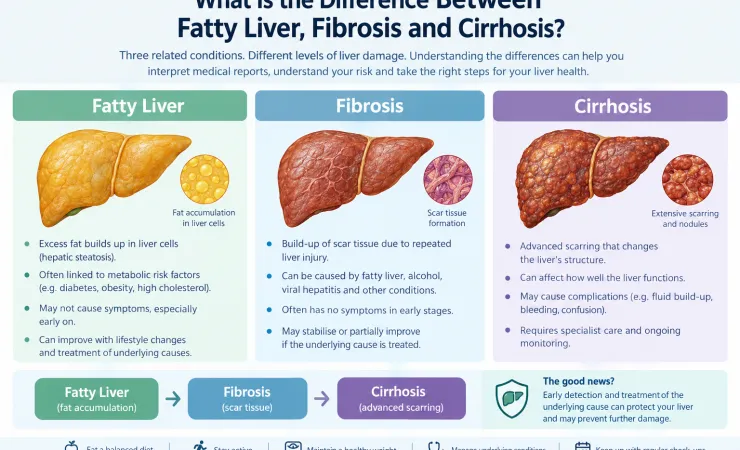
Cirrhosis occurs when long-term liver injury causes permanent scarring that replaces healthy liver tissue and interferes with normal liver function. It can result from conditions including alcohol-associated liver disease, metabolic dysfunction-associated steatotic liver disease and chronic hepatitis B or C.
Cirrhosis is generally described as compensated or decompensated.
People with compensated cirrhosis may have few symptoms. Decompensated cirrhosis can involve complications such as ascites, hepatic encephalopathy or variceal bleeding.
Why Daily Routine Matters
A routine can make it easier to:
Take medicines consistently.
Maintain adequate nutrition.
Recognise changes in symptoms.
Attend monitoring appointments.
Reduce avoidable risks.
Communicate useful information to the healthcare team.
The aim is not to make every day revolve around liver disease. Instead, a predictable routine can help make liver care part of everyday life.
A Day in the Life With Cirrhosis
Morning: Start With a Simple Health Check
The morning can be a useful time to notice changes before the day becomes busy.
Depending on your healthcare team's instructions, check how you feel and look for changes such as:
New or worsening abdominal swelling.
Swelling in the ankles or legs.
Increasing breathlessness.
Unusual tiredness or weakness.
Changes in alertness or concentration.
Nausea, vomiting or poor appetite.
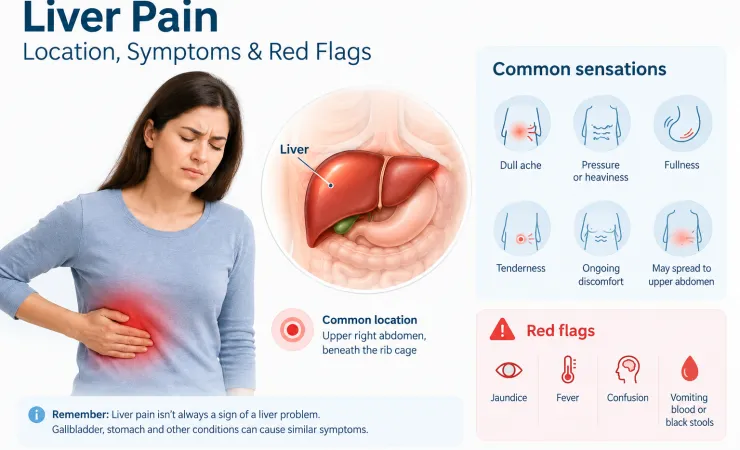
New jaundice or darker urine.
People with cirrhosis may experience fatigue, poor appetite, weight loss, muscle weakness, itching, swelling and cognitive changes as the condition progresses.
If your clinician has asked you to monitor your weight, do it consistently under the same conditions and record the result. A trend can be more useful than one isolated measurement.
However, do not interpret every daily fluctuation as liver deterioration. Weight can change for many reasons, and your healthcare team should interpret clinically important changes.
Breakfast: Do Not Ignore Nutrition
Nutrition is one of the most overlooked aspects of living with cirrhosis.
Cirrhosis can increase the risk of malnutrition, muscle loss and frailty. AASLD guidance emphasises adequate energy and protein intake and recommends avoiding unnecessary protein restriction, including in people with hepatic encephalopathy.
Depending on individual needs, breakfast might include a combination of:
Whole grains or another suitable carbohydrate source.
Eggs, yoghurt, milk, pulses or another protein source.
Fruit or vegetables.
Other nutrient-dense foods recommended by your dietitian.
The exact diet should be personalised, particularly if you have ascites, diabetes, kidney disease, obesity, malnutrition or other medical conditions.
Why Long Fasting Periods Can Be a Problem
People with cirrhosis can be vulnerable to muscle breakdown during prolonged periods without food.
AASLD educational guidance recommends reducing prolonged fasting and spreading food intake throughout the day, with an appropriate late-evening snack for many patients.
This does not mean everyone needs exactly the same meal schedule. Your dietitian or hepatology team can tailor the plan to your condition.
Taking Medicines: Make the Routine Reliable
Medication management is often one of the biggest day-to-day challenges for patients and caregivers.
Depending on the cause and complications of cirrhosis, treatment may include medicines for the underlying disease, portal hypertension, fluid retention or hepatic encephalopathy.
A practical routine is to:
Keep an up-to-date medication list.
Know what each medicine is for.
Follow the prescribed dose and timing.
Record medicines that have been stopped or changed.
Ask before taking new over-the-counter medicines.
Tell your doctor or pharmacist about herbal products and supplements.
The liver processes many medicines, and cirrhosis can alter how medicines affect the body. NIDDK specifically advises discussing medicines, vitamins and herbal supplements with healthcare professionals.
For caregivers, a pill organiser or medication reminder can help with complicated schedules. NHS guidance also recommends ensuring medicines are given at the correct time and according to instructions.
During the Day: Stay Active Within Your Limits
Cirrhosis does not automatically mean you should avoid physical activity.
In fact, muscle loss and frailty are important concerns in cirrhosis. AASLD notes that physical activity can improve muscle function and recommends appropriately tailored aerobic and resistance exercise for suitable patients.
The right activity depends on:
Your fitness level.
Muscle strength.
Presence of ascites or oedema.
Bone health.
Blood pressure.
Other medical conditions.
History of variceal bleeding or other complications.
Start from your current ability rather than comparing yourself with someone else.
For example, a person who becomes exhausted after a short walk may initially focus on gentle, manageable movement rather than attempting an intensive gym programme.
If you have significant complications, ask your healthcare team before starting a new exercise programme.
Lunch: Make Food Practical, Not Perfect
A common mistake is believing that living with cirrhosis means eating an extremely restrictive diet.
In reality, dietary needs vary considerably.
If you have ascites or fluid retention, your healthcare team may recommend limiting sodium. But excessive restriction can sometimes make food less appealing and contribute to inadequate nutritional intake. AASLD highlights the need to balance sodium restriction with adequate nutrition.
Instead of focusing on a list of “forbidden” foods, work with your clinician or dietitian to identify:
Appropriate protein sources.
Suitable carbohydrate sources.
Fruit and vegetables that fit your medical needs.
Sodium levels appropriate for your condition.
Foods that are practical and affordable.
Avoid assuming that expensive “liver detox” products or supplements are necessary.
Afternoon: Track Symptoms and Energy
Some people with cirrhosis find it useful to record symptoms rather than relying on memory during appointments.
You could note:
What to monitor
Why it may help
Abdominal swelling
May help identify changes in ascites
Leg swelling
Tracks oedema symptoms
Appetite
Can identify nutritional concerns
Energy levels
Helps describe fatigue patterns
Sleep
May reveal changes associated with encephalopathy or other issues
Bowel movements
Particularly important when taking lactulose
Weight
Can help monitor fluid or nutritional trends when advised
Medicines
Helps identify missed or changed doses
The purpose is not to diagnose yourself. It is to provide your healthcare team with better information.
Using Digital Tools to Organise Liver Health
Patients managing chronic liver disease often have multiple blood-test results, medication changes, symptoms and clinical measurements to remember.
A supportive digital record such as theLiverlytics mobile application can help organise information such as liver-health measurements, MELD 3.0 scores, sodium levels and historical results.
Features such as visual graphs, date-range selection and report generation can help patients see trends and organise information before appointments.
For example, rather than saying, “My sodium has been low recently,” a patient may be able to review historical results and show the healthcare professional exactly how measurements changed over a selected period.
Such tools are record-keeping aids, not diagnostic or treatment systems. Clinical decisions should always be based on assessment by qualified healthcare professionals.
Evening: Prepare for the Next Day
A few minutes in the evening can make the following day easier.
Check:
Whether tomorrow's medicines are organised.
Whether you have enough prescribed medication.
Whether you have an upcoming appointment.
Whether symptoms have changed.
Whether meals or snacks need preparation.
For people who experience fatigue or confusion, preparing important items in advance can reduce stress.
A caregiver can help, but the patient's preferences and independence should remain central.
Caregiver Support: Helping Without Taking Over
Caregiving for someone with cirrhosis can involve emotional and practical challenges.
Useful support may include:
Helping organise appointments.
Keeping a shared medication list.
Accompanying the patient to consultations.
Helping prepare suitable meals.
Recording symptoms when the patient is unable to do so.
Learning the patient's warning signs.
Providing transport when necessary.
However, caregivers should avoid making every decision for the patient.
The person living with cirrhosis should remain involved in decisions wherever possible. NHS guidance also emphasises that patients have rights around confidentiality and deciding how much health information is shared with carers.
Key Medical Appointments to Keep Track Of
Cirrhosis management is not simply about treating symptoms at home.
Regular medical follow-up may involve monitoring liver function, kidney function, blood counts and complications. Depending on the patient's condition, clinicians may also monitor for liver cancer, varices, malnutrition and other complications. AASLD educational guidance recommends liver cancer surveillance every six months in appropriate patients and regular assessment of nutritional status.
your healthcare team:
Which blood tests do I need?
How often should I have them?
Do I need liver cancer surveillance?
Do I need assessment for varices?
Should I see a dietitian?
What symptoms should trigger urgent contact?
Should I monitor weight, blood pressure or other measurements at home?
Common Mistakes and Misconceptions
“I feel fine, so my cirrhosis must be improving.”
Not necessarily. Cirrhosis can cause few symptoms, particularly earlier in its course. Regular medical monitoring remains important even when you feel well.)
“I should eat as little protein as possible.”
Protein restriction is not routinely recommended simply because someone has cirrhosis. Maintaining adequate protein and energy intake is important for protecting muscle mass.
“All supplements are safe because they are natural.”
No. Herbal products and supplements can interact with medicines or potentially cause harm. Discuss them with a doctor or pharmacist first.
“Exercise will damage my liver.”
Appropriately tailored physical activity can be beneficial for muscle function and overall health. The exercise plan should reflect the person's medical condition and physical capacity.
“Cirrhosis only affects the liver.”
Cirrhosis can affect nutrition, muscles, bones, circulation, kidneys, brain function and susceptibility to infections.
When Should You Speak to a Doctor?
Contact your healthcare team promptly if you notice new or worsening:
Abdominal swelling.
Leg or ankle swelling.
Jaundice.
Breathlessness.
Persistent vomiting.
Reduced appetite or unexplained weight loss.
Changes in alertness or behaviour.
Significant weakness.
Some symptoms require immediate emergency attention.
If someone with cirrhosis vomits blood, develops black or very dark stools, or suddenly becomes confused or develops slurred speech, emergency medical care is required.
strointestinal bleeding can also cause dizziness, fainting, shortness of breath or signs of shock and requires urgent medical treatment.
Expert Insights: What Often Gets Overlooked?
Muscle Health Matters
One of the less visible challenges of cirrhosis is loss of muscle mass.
A person may appear overweight while still losing important muscle tissue. AASLD highlights malnutrition, frailty and sarcopenia as important but often under-recognised complications.
This is why simply focusing on body weight can be misleading.
“Eating Less” Is Not Always Better
People with cirrhosis may lose appetite because of nausea, abdominal fluid or early fullness. Combining this with excessive dietary restriction can worsen nutritional problems.
The goal is usually adequate, appropriate nutrition, not the lowest possible calorie intake.
The Caregiver Needs a Routine Too
Caregiver fatigue can affect the entire household.
Sharing responsibilities, keeping medical information organised and knowing when to ask healthcare professionals for help can make long-term care more sustainable.
People Also Ask
Can you live a normal life with cirrhosis?
Some people with cirrhosis continue working, travelling and participating in everyday activities for many years, particularly when the disease is stable and complications are managed. The experience varies considerably between individuals.
What should someone with cirrhosis do every day?
Follow prescribed treatment, maintain appropriate nutrition, avoid alcohol, remain appropriately active, monitor relevant symptoms and attend scheduled medical appointments.
Can people with cirrhosis exercise?
Many can, provided exercise is appropriate for their medical condition. A healthcare professional can help determine a safe level and type of activity.
How much sleep should someone with cirrhosis get?
There is no single cirrhosis-specific sleep requirement for everyone. Persistent sleep reversal, excessive daytime sleepiness or new confusion should be discussed with a healthcare professional because sleep changes can occur with hepatic encephalopathy.
What foods should be avoided with cirrhosis?
There is no universal list for every patient. Alcohol should be avoided, and people with ascites may need sodium restriction. Individual dietary needs should be assessed by the healthcare team.
Can someone with cirrhosis work?
Some people can continue working, depending on their symptoms, disease stage, treatment schedule and type of work. Severe fatigue, complications or frequent medical procedures may require workplace adjustments.
How can a caregiver help someone with cirrhosis?
Caregivers can help with medicines, appointments, meals, transportation and symptom records while allowing the patient to remain involved in decisions.
How do I know if cirrhosis is getting worse?
New complications such as ascites, jaundice, confusion, swelling or gastrointestinal bleeding can indicate deterioration and require medical assessment.
Frequently Asked Questions
Can cirrhosis patients live alone?
Some people with stable cirrhosis can live independently. However, people experiencing confusion, severe weakness, frequent falls or significant complications may need additional support. The appropriate level of assistance should be discussed with the healthcare team.
Should someone with cirrhosis drink plenty of water?
Fluid needs vary. People with certain complications, such as significant low blood sodium or fluid overload, may receive specific fluid advice. Do not deliberately increase or restrict fluids without medical guidance.
Can people with cirrhosis eat eggs?
Eggs can be a useful protein-containing food for many people with cirrhosis. Whether they fit an individual's diet depends on the person's overall nutritional needs and other health conditions.
Is walking good for cirrhosis?
Walking can be a practical form of physical activity for people who are medically able to exercise. It should be adjusted according to fitness, muscle strength and complications.
Should people with cirrhosis take vitamins?
Not automatically. Some people may have nutritional deficiencies, but supplementation should be based on clinical assessment rather than taking multiple products without advice. AASLD recommends assessment for relevant micronutrient deficiencies.
Can stress make cirrhosis worse?
Stress can affect sleep, appetite, medication adherence and overall wellbeing, but it should not be described as a direct cause of cirrhosis progression. Persistent anxiety or low mood deserves appropriate support.
How often should someone with cirrhosis see a doctor?
There is no single schedule suitable for everyone. Frequency depends on the cause and severity of cirrhosis, complications and treatment. Follow the monitoring plan provided by the hepatology or gastroenterology team.
Can cirrhosis be reversed?
Established cirrhosis involves permanent scarring, so it is generally not considered fully reversible. However, treating the underlying cause can slow or prevent further damage and may improve liver function in some circumstances.
What should caregivers keep in an emergency information folder?
Keep an updated list of medicines, allergies, major diagnoses, healthcare contacts, recent relevant test results and the patient's preferred emergency contact. The exact information should reflect the patient's circumstances.
Key Takeaways
Living with cirrhosis is possible, and many people remain well for years, but regular medical monitoring is essential.
Build a simple daily routine around medicines, nutrition, appropriate activity and symptom awareness.
Do not unnecessarily restrict protein or food; malnutrition and muscle loss are important concerns in cirrhosis.
Avoid alcohol and check with a healthcare professional before taking medicines, supplements or herbal products.
Keep track of important symptoms and clinical measurements when your healthcare team recommends doing so.
Caregivers can provide valuable practical support without taking away the patient's independence.
Vomiting blood, black stools or sudden confusion are emergency warning signs.
Digital records can help organise health information, but they should complement—not replace—medical care.
Conclusion
Living with cirrhosis is less about following a perfect daily routine and more about building consistent, sustainable habits.
A typical day may involve taking prescribed medicines, eating adequately, staying appropriately active, monitoring relevant symptoms and preparing questions for the next medical appointment. For caregivers, support may involve organising medicines, helping with meals and appointments, and recognising warning signs.
Nutrition and muscle health deserve particular attention because malnutrition, frailty and muscle loss can be overlooked even when a person does not appear underweight.
Most importantly, patients and caregivers should know which changes can wait for a routine appointment and which require urgent attention. A clear plan, good communication with the healthcare team and organised health records can make everyday life with cirrhosis more manageable.
Internal Linking Opportunities
“What Happens When Cirrhosis Becomes Decompensated?”
Explain ascites, hepatic encephalopathy and variceal bleeding.“How to Reduce Swelling and Fluid Retention in Cirrhosis”
Link from the sections discussing ascites, sodium and daily monitoring.“What Is a Good MELD 3.0 Score?”
Link when discussing disease monitoring and clinical appointments.“How Does Liver Disease Affect the Rest of the Body?”
Link when discussing muscle loss, nutrition, bones and brain function.“How Can Mobile Apps Help Monitor Liver Disease?”
Link from the digital health-record and symptom-monitoring sections.


“ Waste no more time arguing what a good man should be, be one. ”
— Marcus Aurelius
Let’s Get in Touch
Your email address will not be published. Required fields are marked *
Recent Post


Looking for a Smarter Way to Track Liver Health?
Try it stress-free — We never modify medical data without your confirmation.

Comments :
Ooops!
No comments found.