Blog Post Details Page
07:52 AM | August 17, 2026 133 Views
Ascites and Liver Cirrhosis: Causes, Management, and When to Seek Help
A steadily enlarging abdomen can be worrying, particularly when someone has liver cirrhosis. One possible explanation is ascites, a build-up of fluid inside the abdominal cavity.
Ascites is more than simply “water retention”. In people with cirrhosis, it can reflect changes in blood flow through the liver, pressure within the portal circulation and the body's regulation of salt and water. It can also increase the risk of complications, including infection and kidney problems.
For patients and caregivers, common questions include: Why is the abdomen getting bigger? Can ascites go away? Is it always a sign of end-stage liver disease? What treatments are available? And when is abdominal swelling an emergency?
This guide explains what ascites means, why it develops, how doctors diagnose and manage it, and which symptoms should never be ignored.
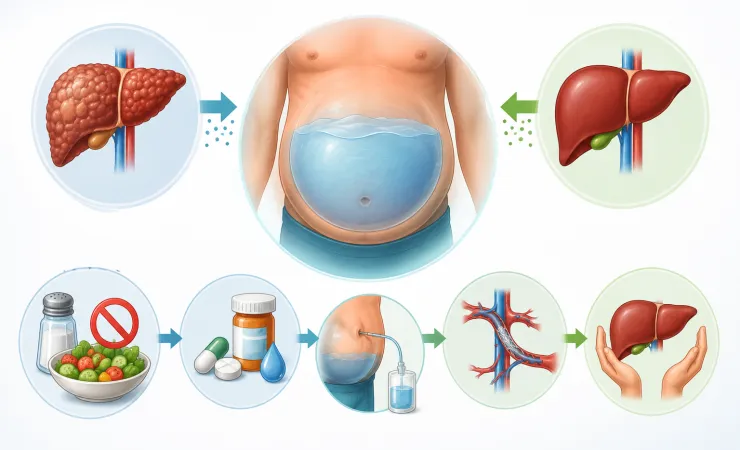
Ascites is an accumulation of fluid in the abdomen that commonly occurs as a complication of cirrhosis. It develops largely because cirrhosis causes portal hypertension and changes in the body's fluid-regulating systems. Management may include reducing dietary sodium, prescribed diuretics, drainage through paracentesis and, in selected cases, procedures such as TIPS or liver transplantation assessment.
What Is Ascites in Liver Cirrhosis?
Definition
Ascites is fluid accumulation in the abdominal cavity. Although it has several possible causes, cirrhosis is one of the most important causes.
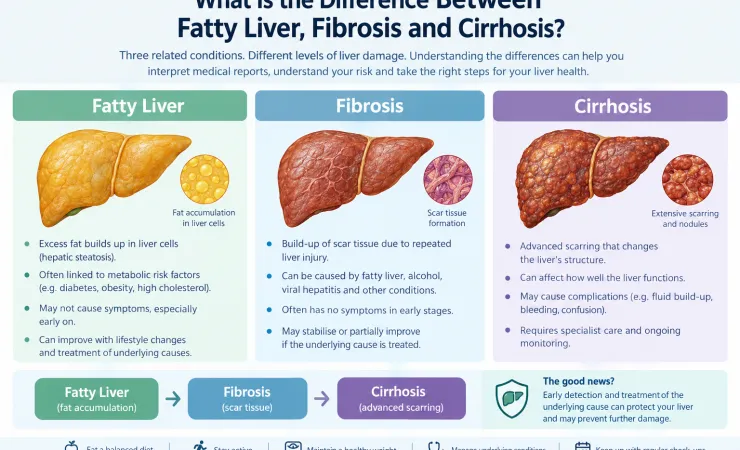
Cirrhosis causes permanent scarring of the liver. As scarring progresses, blood has greater difficulty passing through the liver, contributing to portal hypertension. Changes in circulation and kidney handling of sodium and water can then promote fluid accumulation in the abdomen.
Why It Matters
The appearance of clinically significant ascites is an important sign of hepatic decompensation. AASLD identifies ascites as one of the major decompensating events in cirrhosis and notes that clinically significant ascites should prompt consideration of liver-transplant evaluation where appropriate.
However, having ascites does not automatically mean that a person is immediately dying or that transplantation is the only option. Its severity, response to treatment, kidney function, infections, nutritional status and overall liver function all matter.
Key Facts About Ascites and Cirrhosis
Ascites is a common complication of advanced cirrhosis.
Portal hypertension plays a major role in its development.
Ascites can cause abdominal swelling, discomfort, early fullness and breathlessness when severe.
New ascites generally requires medical assessment rather than assuming it is caused by cirrhosis.
Fluid may need to be sampled using diagnostic paracentesis.
Treatment commonly involves sodium restriction and prescribed diuretics.
Large-volume ascites may require therapeutic paracentesis.
Recurrent or treatment-resistant ascites requires specialist assessment.
Symptoms, Causes and Risk Factors
Common Symptoms
Ascites can develop gradually, so early changes may be easy to overlook.
Possible symptoms include:
Increasing abdominal size
Abdominal heaviness or discomfort
Feeling full after eating only a small amount
Weight gain caused by fluid
Swelling in the ankles or legs
Breathlessness when abdominal pressure becomes significant
Cirrhosis may also cause jaundice, itching, fatigue, easy bruising, confusion and other symptoms depending on disease severity.
Main Causes
In cirrhosis, ascites is primarily associated with portal hypertension and changes in circulation and kidney function.
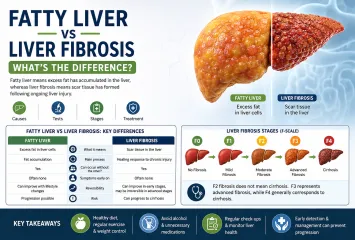
Cirrhosis itself can result from several conditions, including alcohol-associated liver disease, metabolic dysfunction-associated steatotic liver disease and chronic hepatitis B or C.
Importantly, not every case of ascites is caused by cirrhosis. Heart failure, certain cancers, pancreatic disease and other conditions can also cause abdominal fluid. This is one reason doctors may test the fluid rather than relying solely on an examination.
Risk Factors
The risk of ascites increases with more advanced liver disease and portal hypertension. Previous episodes of ascites, poor control of the underlying liver disease and complications affecting kidney function can also influence management.
Diagnosis and Testing
Diagnostic Methods
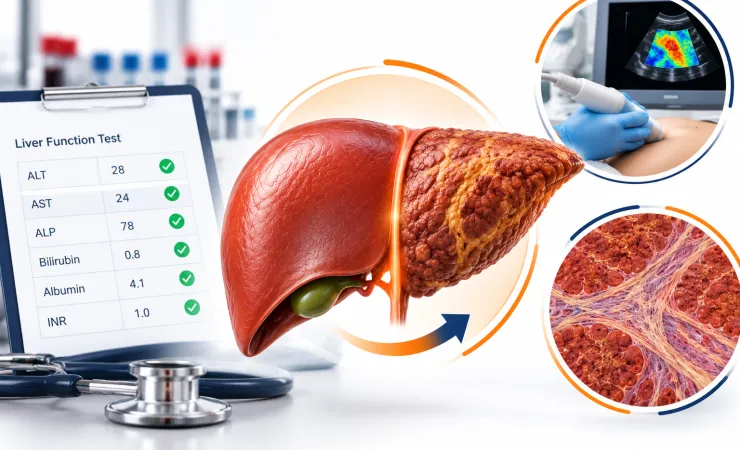
Doctors may begin with a physical examination and medical history, but imaging such as an abdominal ultrasound can help identify fluid.
When ascites is new, clinically significant or associated with hospital admission, diagnostic paracentesis may be recommended. This involves inserting a needle into the abdomen to obtain a small sample of fluid for laboratory analysis. The purpose may include identifying infection and determining the likely cause of the fluid.
Blood tests may also assess:
Kidney function
Sodium and other electrolytes
Albumin
Bilirubin
Liver enzymes
Blood counts
Clotting function
These results help clinicians understand both the underlying liver disease and whether treatment is affecting other organs.
Understanding Results
A single laboratory result does not tell the whole story.
For example, someone may have significant fluid accumulation while the main concern is actually declining kidney function or infection. Doctors therefore assess the patient's symptoms, examination findings, blood tests, imaging and ascitic-fluid results together.
Treatment and Management
Medical Treatments
Treatment depends on severity and the person's overall condition.
Sodium restriction: Reducing dietary sodium is commonly recommended to help limit fluid retention. AASLD guidance refers to approximately 2 g of sodium per day in the management of ascites.
Diuretics: Medicines such as spironolactone and furosemide may be prescribed to help the body remove excess sodium and fluid. These medicines require monitoring because they can affect kidney function and electrolyte levels.
Paracentesis: When ascites is large or uncomfortable, doctors can remove fluid using a needle. Large-volume paracentesis may require albumin administration to reduce the risk of circulatory complications.
TIPS: For selected people with difficult-to-control or refractory ascites, a transjugular intrahepatic portosystemic shunt (TIPS) may be considered. It is not suitable for everyone and requires specialist assessment.
Lifestyle Management
Patients should follow their individual medical team's advice. General principles may include:
Following the prescribed sodium restriction.
Taking diuretics exactly as directed.
Avoiding alcohol when advised, particularly in alcohol-associated liver disease.
Avoiding unnecessary medicines or supplements that may harm kidney or liver function.
Maintaining adequate nutrition rather than unnecessarily restricting food.
Attending scheduled blood tests and clinical reviews.
Fluid restriction is not automatically required for everyone with ascites. It may be recommended in particular circumstances, such as significant low blood sodium, so patients should not impose severe fluid restrictions without medical guidance.
Monitoring Progress
Tracking changes can help patients and clinicians recognise trends.
Depending on the care plan, patients may monitor body weight, abdominal swelling, ankle swelling, symptoms, prescribed medicines and laboratory results.
Digital tools such as theLiverlytics mobile application can support organisation of liver-health information, including MELD 3.0 scores, sodium levels and historical results. Graphs, date-range views and report-generation features may help patients review trends and prepare information for healthcare consultations. Such tracking is supportive only and does not replace clinical assessment.
Practical Tips for Patients and Caregivers
A useful daily record can include:
Weight, if your healthcare team has asked you to monitor it.
Changes in abdominal swelling or discomfort.
Leg or ankle swelling.
Breathing changes.
Medication adherence and changes.
Relevant blood-test results.
New symptoms, particularly fever, abdominal pain or confusion.
Avoid trying to drain abdominal fluid yourself or changing diuretic doses without medical advice.
One practical gap in many online discussions is the importance of trend information. A single day's weight or sodium result is less informative than a consistent record that shows what has changed over time.
Common Mistakes and Misconceptions
“Ascites means liver failure is happening immediately.”
Not necessarily. Ascites indicates significant liver disease or another underlying problem and is an important decompensation event, but the outlook varies considerably between individuals.
“Drinking less water will cure ascites.”
Severe fluid restriction is not a universal treatment. Management usually focuses on sodium balance, appropriate diuretics and treatment of the underlying condition.
“If the swelling improves, the cirrhosis is cured.”
No. Ascites can be controlled while the underlying cirrhosis remains. Cirrhosis is permanent scarring, although treating its cause can help prevent further deterioration.
“Every swollen abdomen in someone with cirrhosis is just ascites.”
Abdominal enlargement can have other causes. New or rapidly worsening swelling should be assessed medically.
When Should You Speak to a Doctor?
Seek urgent medical assessment if a person with cirrhosis develops new or rapidly worsening abdominal swelling, significant breathlessness, fever, abdominal pain, vomiting, marked weakness or confusion.
This is particularly important because infection of ascitic fluid, called spontaneous bacterial peritonitis, can be life-threatening and may not always present with dramatic symptoms.
Seek emergency help for signs such as vomiting blood, black or tarry stools, sudden severe confusion or loss of consciousness. The NHS specifically advises emergency assessment for vomiting blood, very dark stools or sudden confusion in people with cirrhosis.
Expert Insights
One frequently overlooked issue is that ascites is not just a cosmetic or comfort problem.
It can affect appetite, mobility, sleep, breathing and quality of life. Research on patient-reported outcomes has found that greater ascites symptom burden is associated with poorer health-related quality of life.
Another important distinction is between responsive and refractory ascites. Refractory ascites does not adequately respond to dietary sodium restriction and tolerated diuretic therapy, or repeatedly returns despite treatment. AASLD notes that such patients may require repeated paracentesis, consideration of TIPS and assessment for liver transplantation.
For caregivers, changes in abdominal size should also be considered alongside appetite, mobility, urine output, mental state and general wellbeing rather than viewed in isolation.
People Also Ask
Is ascites a sign of end-stage liver disease?
Ascites is a major sign of decompensated cirrhosis, but it does not by itself determine whether someone has reached “end-stage” liver failure. Overall liver and kidney function, complications and treatment response all matter.
Can ascites go away?
Ascites can sometimes be controlled or substantially reduced with treatment. However, it can recur, particularly when the underlying liver disease remains advanced.
Can ascites be cured without draining?
Some people respond to sodium restriction and diuretics and may not need repeated drainage. Others develop severe or refractory ascites and require paracentesis or additional specialist treatment.
Does ascites mean cirrhosis is getting worse?
In a person with cirrhosis, new clinically significant ascites is considered a major decompensation event and should prompt medical review.
How is ascites removed?
Doctors may use diuretics to promote fluid loss or perform paracentesis to physically remove abdominal fluid. The appropriate approach depends on severity and the person's overall health.
What should someone with ascites eat?
A healthcare professional or dietitian can provide individual advice. In general, sodium restriction is an important part of ascites management, while adequate nutrition remains essential.
Can ascites cause breathing problems?
Large-volume ascites can increase abdominal pressure and make breathing uncomfortable or more difficult. New or worsening breathlessness should be assessed promptly.
Can ascites come back after drainage?
Yes. Paracentesis removes existing fluid but does not necessarily correct the underlying mechanism causing ascites. Fluid can therefore reaccumulate.
Frequently Asked Questions
How much sodium should someone with cirrhosis and ascites have?
AASLD guidance describes dietary sodium restriction to approximately 2 g per day for ascites management. Individual advice should come from the treating clinician or dietitian.
Should people with ascites restrict fluids?
Not everyone needs fluid restriction. It may be considered in selected patients, particularly when blood sodium is significantly low. Follow the fluid plan provided by the healthcare team.
Is paracentesis painful?
People may experience pressure or brief discomfort during the procedure, but local anaesthetic is generally used. The clinical team will explain the procedure and monitor the patient.
Why is albumin given after large-volume paracentesis?
Albumin may be given after large-volume fluid removal to help reduce circulatory complications associated with paracentesis.
What is refractory ascites?
Refractory ascites refers to ascites that cannot be adequately mobilised with appropriate sodium restriction and tolerated diuretics, or that rapidly returns or causes complications related to treatment.
Does ascites affect kidney function?
It can be associated with kidney complications, particularly in advanced cirrhosis. This is one reason doctors monitor creatinine, sodium, blood pressure and urine output during treatment.
Can a person with ascites still eat normally?
Nutrition remains important, but appetite may decrease because abdominal fluid creates a feeling of fullness. Smaller, nutrient-dense meals may be easier for some people, with advice tailored to their clinical condition.
Can ascites be prevented?
Treating the underlying cause of cirrhosis and following medical management can reduce complications. Once ascites has developed, appropriate sodium management, medication and monitoring can help control it.
Does everyone with cirrhosis develop ascites?
No. Cirrhosis can remain compensated for years without ascites, although risk increases as portal hypertension and liver dysfunction progress.
Key Takeaways
Ascites is fluid accumulation in the abdomen and is a common complication of advanced cirrhosis.
Portal hypertension and changes in the body's sodium and fluid regulation play major roles.
New ascites should be medically assessed because causes other than cirrhosis are possible.
Treatment may involve sodium restriction, diuretics, paracentesis and, for selected patients, TIPS.
Refractory or recurrent ascites requires specialist management.
Do not change diuretic or fluid intake without medical guidance.
Fever, abdominal pain or confusion can indicate a serious complication and require prompt assessment.
Vomiting blood, black stools or sudden severe confusion require emergency medical attention.
Keeping organised records of weight, symptoms, sodium, medications and relevant liver results can help support clinical discussions.
Conclusion
Ascites and liver cirrhosis are closely linked, but abdominal fluid should never be treated as something that patients simply have to live with. It is a significant clinical development that deserves assessment and ongoing monitoring.
Treatment can often control fluid accumulation, while management of the underlying liver disease can help reduce further complications. For some patients, repeated paracentesis or specialist procedures may be necessary.
Most importantly, patients and caregivers should recognise warning signs early. Rapid abdominal swelling, fever, abdominal pain, breathing difficulty or changes in mental state warrant medical attention. With appropriate monitoring and specialist care, treatment decisions can be adjusted as the condition changes.
Internal Linking Opportunities
“What Happens When Cirrhosis Becomes Decompensated?” — explain the transition from compensated to decompensated cirrhosis.
“Why Do People With Cirrhosis Develop Ascites?” — provide a deeper explanation of portal hypertension and fluid regulation.
“What Is a Good MELD 3.0 Score?” — explain how MELD 3.0 is used to assess severity and transplant priority.
“How Can Mobile Apps Help Monitor Liver Disease?” — explain practical approaches to organising symptoms, results and clinical records.
“How to Reduce Swelling and Fluid Retention in Cirrhosis” — provide practical guidance on oedema and ascites management.
Competitor Content Gap Addressed
Many articles explain ascites simply as “fluid in the abdomen” and list diuretics or drainage as treatments. A more useful patient-focused approach is to explain why ascites occurs, why diagnostic paracentesis matters, how refractory ascites differs from ordinary ascites, why kidney function and sodium require monitoring, and why ascites does not automatically mean immediate end-stage liver failure.
Patient discussions also frequently focus on recurring abdominal swelling, repeated drainage, uncertainty about prognosis and difficulty knowing when symptoms require urgent care. These concerns are reflected in patient-community discussions and reinforce the need for clearer guidance around monitoring and escalation.

“ Well begun is half done. ”
— Aristotle
Let’s Get in Touch
Your email address will not be published. Required fields are marked *
Recent Post


Looking for a Smarter Way to Track Liver Health?
Try it stress-free — We never modify medical data without your confirmation.

Comments :
Ooops!
No comments found.