Blog Post Details Page
06:00 AM | July 31, 2026 114 Views
Can Fatty Liver Disease Be Cured?
Being told you have fatty liver disease can be worrying, especially if you've searched online and found conflicting information. One of the first questions many people ask is, "Can fatty liver disease be cured?" The answer depends on the stage of the disease, its underlying cause and how early it is diagnosed.
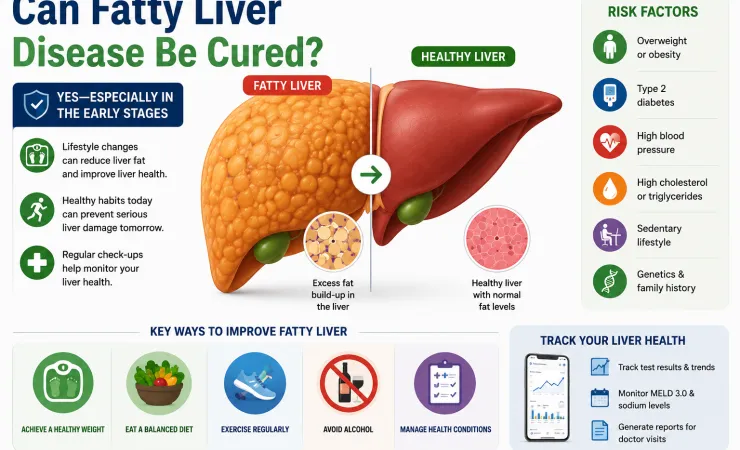
The encouraging news is that early-stage fatty liver disease is often reversible. With appropriate lifestyle changes, management of underlying health conditions and regular medical follow-up, excess fat in the liver can decrease and inflammation may improve. However, if fatty liver disease progresses to significant fibrosis or cirrhosis, the damage may become permanent, although treatment can still help slow progression and reduce complications.
Fatty liver disease is becoming increasingly common worldwide due to rising rates of obesity, type 2 diabetes and metabolic syndrome. Many people are unaware they have the condition because it often develops silently, without obvious symptoms. Left untreated, it can progress to inflammation, scarring (fibrosis), cirrhosis and, in some cases, liver failure or liver cancer.
In this guide, you'll learn:
Whether fatty liver disease can be cured or reversed
The difference between early and advanced liver damage
Common symptoms and causes
How doctors diagnose fatty liver disease
Evidence-based treatment options
Lifestyle changes that support liver health
Practical advice for long-term management
By understanding the condition and taking action early, many people can significantly improve their liver health and reduce their risk of serious complications.
Yes, early-stage fatty liver disease can often be reversed by addressing its underlying causes. Weight loss, regular exercise, a balanced diet and managing conditions such as type 2 diabetes can reduce liver fat and inflammation. However, advanced fibrosis and cirrhosis are generally not reversible, although treatment can slow progression and improve overall health.
What Is Fatty Liver Disease?
Definition
Fatty liver disease occurs when excess fat builds up in liver cells. While a small amount of fat in the liver is normal, excessive fat can interfere with liver function and increase the risk of inflammation and long-term liver damage.
The condition is broadly classified into two main types:
Metabolic Dysfunction-Associated Steatotic Liver Disease (MASLD)
Previously known as non-alcoholic fatty liver disease (NAFLD), MASLD develops in people who have little or no alcohol intake and is commonly associated with obesity, insulin resistance, type 2 diabetes, high cholesterol and metabolic syndrome.
Alcohol-Related Fatty Liver Disease
This form develops as a result of excessive alcohol consumption. Reducing or stopping alcohol intake is a key part of treatment.
Although the causes differ, both forms involve fat accumulation in the liver and may progress through similar stages if left untreated.
Why It Matters
The liver performs over 500 essential functions, including:
Filtering toxins from the blood
Producing bile to digest fats
Storing vitamins and minerals
Regulating blood sugar levels
Producing proteins needed for blood clotting
Processing medicines and hormones
When excess fat accumulates in the liver, these functions may gradually become impaired. In some people, fat causes little or no harm, while in others it triggers inflammation, liver cell injury and scarring.
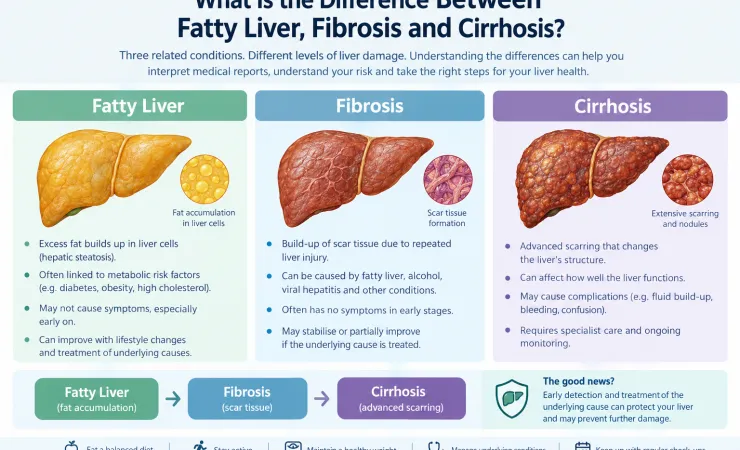
Without timely intervention, fatty liver disease may progress through the following stages:
Simple fatty liver (steatosis) – Fat accumulates in the liver with little or no inflammation.
Steatohepatitis (MASH or alcohol-related hepatitis) – Fat accumulation is accompanied by inflammation and liver cell damage.
Fibrosis – Persistent inflammation causes scar tissue to form.
Cirrhosis – Extensive scarring permanently alters the liver's structure and function, increasing the risk of liver failure and liver cancer.
Understanding these stages highlights why early diagnosis and management are so important.
Key Facts About Fatty Liver Disease
1. Early fatty liver disease is often reversible
One of the most encouraging aspects of fatty liver disease is that fat accumulation in the liver can often be reduced through healthy lifestyle changes. Early intervention offers the best chance of reversing liver fat and preventing further damage.
2. Many people have no symptoms
Fatty liver disease is often called a "silent" condition because it usually causes no noticeable symptoms in its early stages. Many people are diagnosed during routine blood tests or imaging performed for other reasons.
3. Weight loss can significantly improve liver health
Research shows that gradual, sustained weight loss can reduce liver fat and inflammation. In some individuals, it may also improve early-stage fibrosis. Rapid weight loss, however, should be avoided unless supervised by a healthcare professional.
4. Not everyone with fatty liver develops cirrhosis
While fatty liver disease can progress, many people never develop advanced liver damage. Factors such as obesity, diabetes, genetics, alcohol use and ongoing inflammation influence the risk of progression.
5. There is currently no single cure-all medication
At present, no medicine alone can cure fatty liver disease. Treatment focuses on addressing the underlying causes, improving metabolic health and preventing progression through lifestyle changes and, where appropriate, medications for related conditions.
Can Fatty Liver Disease Be Cured?
The answer depends on how advanced the disease is.
Early-Stage Fatty Liver Disease
In its earliest stage, fatty liver disease is often reversible rather than permanently cured. Reducing excess liver fat through weight management, healthy eating and regular physical activity allows the liver to heal because it has a remarkable ability to regenerate after mild injury.
For many people, addressing underlying conditions such as obesity, high cholesterol and type 2 diabetes also contributes to improved liver health.
Inflammation (MASH)
If fatty liver progresses to inflammation, treatment becomes more important. Although liver inflammation can improve with appropriate management, recovery may take longer and requires careful monitoring.
Fibrosis
Fibrosis refers to the formation of scar tissue within the liver. Early fibrosis may improve in some individuals if the underlying cause is successfully treated. However, the extent of recovery varies between patients.
Cirrhosis
Cirrhosis involves extensive, permanent scarring of the liver. While treatment can help prevent further damage and manage complications, advanced cirrhosis is generally not reversible. In severe cases, a liver transplant may be considered.
The key message is that early diagnosis provides the greatest opportunity to improve liver health and prevent long-term complications.
Symptoms, Causes and Risk Factors
Common Symptoms
Many people experience no symptoms during the early stages of fatty liver disease. When symptoms occur, they are often mild and non-specific.
Possible symptoms include:
Persistent fatigue
Mild discomfort or pain in the upper right side of the abdomen
Reduced energy levels
Difficulty concentrating
Unexplained weakness
As liver damage progresses, additional symptoms may develop, including:
Jaundice (yellowing of the skin and eyes)
Swollen abdomen (ascites)
Swelling in the legs and ankles
Easy bruising
Persistent itching
Confusion or memory problems in advanced liver disease
Main Causes
Fatty liver disease develops when excess fat accumulates in liver cells faster than the liver can process or remove it.
Common causes include:
Obesity or overweight
Type 2 diabetes
Insulin resistance
High cholesterol or triglycerides
Metabolic syndrome
Excessive alcohol consumption
Certain medications
Rapid weight loss
Rare inherited metabolic disorders
Risk Factors
You may be at higher risk if you:
Are overweight or obese
Have type 2 diabetes
Have high blood pressure
Have abnormal cholesterol levels
Have sleep apnoea
Have polycystic ovary syndrome (PCOS)
Have a family history of liver disease
Lead a sedentary lifestyle
Consume excessive alcohol
It's important to note that fatty liver disease can also occur in people with a healthy body weight, particularly if they have metabolic risk factors or a genetic predisposition.
Diagnosis and Testing
Fatty liver disease often develops silently, meaning many people have no symptoms until the condition is discovered during routine health checks or imaging for another reason. Early diagnosis is important because treatment is most effective before significant liver scarring develops.
Healthcare professionals use a combination of your medical history, physical examination, blood tests and imaging to diagnose fatty liver disease and assess its severity.
Medical History and Physical Examination
Your healthcare provider will begin by asking questions about your:
Current symptoms
Medical history
Alcohol consumption
Diet and physical activity
Weight changes
Family history of liver disease
Medications and supplements
Conditions such as type 2 diabetes, obesity or high cholesterol
During the physical examination, they may assess:
Body weight and Body Mass Index (BMI)
Waist circumference
Blood pressure
Signs of liver enlargement
Abdominal tenderness
Swelling in the legs or abdomen
Jaundice or other signs of advanced liver disease
This information helps identify possible causes and determine which tests are needed.
Blood Tests
Blood tests alone cannot confirm fatty liver disease, but they provide valuable information about liver health and help rule out other conditions.
Common blood tests include:
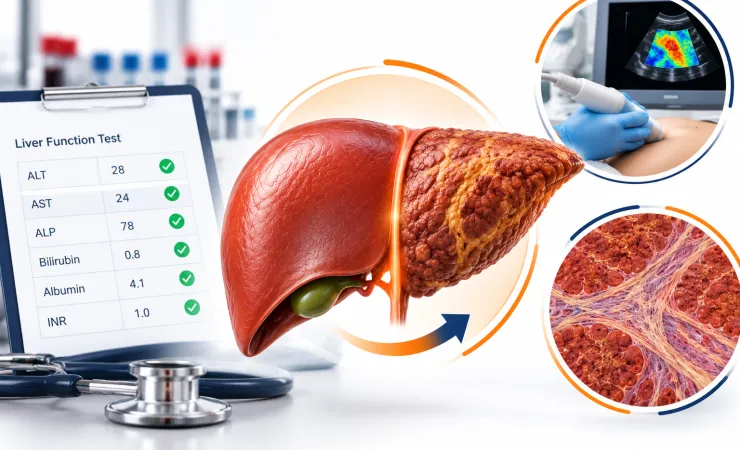
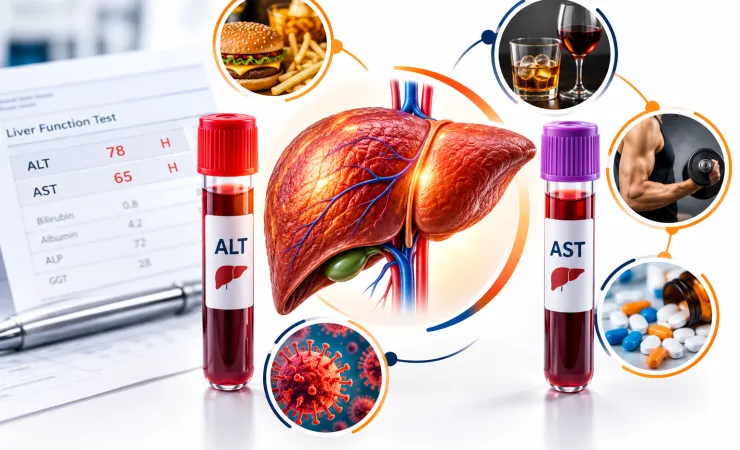
Liver Function Tests (LFTs)
These measure liver enzymes and proteins, including:
Alanine aminotransferase (ALT)
Aspartate aminotransferase (AST)
Alkaline phosphatase (ALP)
Gamma-glutamyl transferase (GGT)
Bilirubin
Albumin
Abnormal results may indicate liver inflammation or impaired liver function, although some people with fatty liver disease have normal liver enzyme levels.
Additional Blood Tests
Your healthcare provider may also recommend:
Full Blood Count (FBC)
Blood glucose or HbA1c
Cholesterol and triglyceride levels
Kidney function tests
Viral hepatitis screening
Autoimmune liver disease tests (if appropriate)
Iron studies to exclude hereditary haemochromatosis
Imaging Tests
Imaging plays an important role in confirming fat accumulation in the liver and assessing the extent of liver damage.
Ultrasound
Ultrasound is usually the first imaging test performed. It can identify excess fat in the liver but cannot accurately determine the amount of fibrosis.
FibroScan® (Transient Elastography)
FibroScan® measures liver stiffness, helping doctors estimate the degree of fibrosis without the need for surgery. It is painless, quick and widely used to monitor people with chronic liver disease.
CT Scan or MRI
These scans provide more detailed images of the liver and may be used when ultrasound findings are unclear or additional information is required.
Liver Biopsy
Although liver biopsy is considered the most accurate method for assessing liver inflammation and fibrosis, it is not routinely required.
A biopsy may be recommended when:
The diagnosis remains uncertain.
Other liver diseases need to be excluded.
The stage of fibrosis will influence treatment decisions.
Because it is an invasive procedure, it is usually reserved for selected cases.
Understanding Your Test Results
Interpreting liver test results involves looking at the overall clinical picture rather than a single blood test.
Important findings may include:
Elevated ALT and AST: Suggest liver cell injury or inflammation.
Normal liver enzymes: Do not always rule out fatty liver disease.
Low albumin: May indicate reduced liver function in advanced disease.
High bilirubin: Can occur if liver function becomes impaired.
Increased liver stiffness on FibroScan®: Suggests fibrosis or cirrhosis.
Ultrasound findings: Can confirm fat accumulation in the liver.
Doctors may also calculate fibrosis scores, such as the FIB-4 Index or NAFLD Fibrosis Score, to estimate the likelihood of significant scarring and determine whether referral to a liver specialist is appropriate.
Treatment and Management
Many people ask whether there is a medicine that cures fatty liver disease. At present, treatment focuses on addressing the underlying cause, reducing liver fat, improving metabolic health and preventing progression to fibrosis or cirrhosis.
Medical Treatments
There is currently no single medication approved that cures fatty liver disease for everyone. However, treatment may include medicines to manage associated conditions.
Depending on your individual needs, your healthcare provider may prescribe medication for:
Type 2 diabetes
High blood pressure
High cholesterol
Obesity
Weight management (where appropriate)
In selected patients with metabolic dysfunction-associated steatohepatitis (MASH), newer therapies may be considered under specialist guidance as evidence and treatment options continue to evolve.
It is important to remember that medications work best when combined with healthy lifestyle changes.
Lifestyle Management
Lifestyle changes remain the cornerstone of treatment and offer the greatest opportunity to reverse early-stage fatty liver disease.
Achieve Gradual Weight Loss
For people who are overweight or obese, gradual and sustained weight loss can reduce liver fat and improve inflammation. Losing approximately 7–10% of body weight has been associated with improvements in liver health for many patients, although individual goals should be discussed with a healthcare professional.
Crash diets and rapid weight loss are not recommended, as they may worsen liver problems.
Follow a Healthy Eating Pattern
Rather than focusing on restrictive diets, aim for a balanced, sustainable way of eating.
Helpful dietary habits include:
Eating plenty of vegetables and fruit
Choosing wholegrains instead of refined carbohydrates
Including lean protein sources such as fish, poultry, beans and lentils
Choosing healthy fats from olive oil, nuts and seeds
Limiting sugary drinks and processed foods
Reducing foods high in saturated fat
Limiting salt intake if advised by your healthcare provider
Many healthcare professionals recommend a Mediterranean-style eating pattern because of its potential benefits for metabolic health.
Exercise Regularly
Regular physical activity helps reduce liver fat, even if significant weight loss has not yet occurred.
Adults should aim for at least:
150 minutes of moderate-intensity aerobic activity each week, and
Muscle-strengthening exercises on two or more days each week, where appropriate.
Walking, cycling, swimming and resistance training can all contribute to better liver health.
Avoid Excess Alcohol
Even if your fatty liver disease is not caused by alcohol, limiting or avoiding alcohol may reduce additional stress on the liver. Your healthcare provider can advise what is appropriate for your situation.
Manage Other Health Conditions
Effective control of:
Type 2 diabetes
High blood pressure
High cholesterol
Obesity
Sleep apnoea
can significantly reduce the risk of liver disease progression.
Monitoring Progress
Fatty liver disease usually requires ongoing monitoring rather than one-off treatment.
Your healthcare provider may recommend:
Regular Liver Function Tests
Repeat FibroScan® assessments
Blood sugar monitoring
Cholesterol checks
Weight monitoring
Blood pressure measurements
Periodic imaging when indicated
Monitoring allows treatment plans to be adjusted and complications identified early.
Many people find it helpful to keep a record of their health information between appointments. Digital tools such as the Liverlyticsmobile application can support this process by allowing users to organise liver blood test results, monitor sodium levels, record medications, review historical trends using visual graphs, track MELD 3.0 scores where relevant and generate exportable reports for healthcare consultations. These features are designed to support health record organisation and should not replace professional medical advice or routine medical care.
Can Fatty Liver Disease Be Reversed Naturally?
This is one of the most common questions people ask after diagnosis.
The answer is yes—for many people in the early stages, fatty liver disease can improve naturally through evidence-based lifestyle changes.
Natural approaches supported by current clinical guidelines include:
Maintaining a healthy body weight.
Eating a balanced Mediterranean-style diet.
Exercising regularly.
Improving blood sugar control.
Getting adequate sleep.
Avoiding smoking.
Limiting or avoiding alcohol where advised.
Managing stress as part of an overall healthy lifestyle.
However, it is important to be cautious about products marketed as "liver detoxes" or miracle cures. There is no high-quality scientific evidence that detox drinks, herbal cleanses or over-the-counter supplements can cure fatty liver disease. Some supplements may even cause liver injury.
Always speak to your healthcare provider before starting vitamins, herbal remedies or alternative therapies.
Practical Tips for Patients and Caregivers
A diagnosis of fatty liver disease does not mean irreversible liver damage. For many people, consistent lifestyle changes and regular medical follow-up can significantly improve liver health. The following evidence-based strategies can help manage the condition and reduce the risk of progression.
Make Sustainable Lifestyle Changes
Small, long-term changes are generally more effective than drastic diets or intense exercise programmes that are difficult to maintain.
Aim to:
Eat balanced meals at regular times.
Increase your intake of vegetables, fruit and wholegrains.
Choose lean protein sources such as fish, skinless poultry, beans and lentils.
Replace saturated fats with healthier fats, such as olive oil and nuts.
Reduce sugary drinks, sweets and highly processed foods.
Avoid skipping meals or following crash diets.
Stay Physically Active
Exercise benefits the liver even if you do not lose a significant amount of weight.
Try to include:
Brisk walking
Cycling
Swimming
Resistance or strength training
Gentle stretching and flexibility exercises
If you are new to exercise or have other medical conditions, discuss an appropriate activity plan with your healthcare provider.
Manage Associated Health Conditions
Fatty liver disease is closely linked with metabolic health.
Keeping the following under control can improve long-term outcomes:
Type 2 diabetes
High blood pressure
High cholesterol
Obesity
Sleep apnoea
Avoid Harmful Substances
Your liver processes many medicines and supplements. Always:
Take medications exactly as prescribed.
Avoid excessive alcohol if advised by your healthcare provider.
Do not use herbal supplements or "liver detox" products without medical advice, as some may cause liver injury.
Common Mistakes and Misconceptions
Many people receive misleading information after being diagnosed with fatty liver disease. Understanding the facts can help you make informed decisions.
Myth: Fatty liver disease only affects people who are overweight.
Fact: Although obesity is a major risk factor, people with a healthy body weight can also develop fatty liver disease, particularly if they have diabetes, metabolic syndrome or a genetic predisposition.
Myth: Fatty liver disease always causes symptoms.
Fact: Most people experience no symptoms in the early stages. Many cases are identified during routine blood tests or imaging.
Myth: Liver detox drinks can cure fatty liver disease.
Fact: There is no reliable scientific evidence that detox drinks, juice cleanses or herbal supplements cure fatty liver disease. Some products may even be harmful to the liver.
Myth: Fatty liver disease is harmless.
Fact: While early-stage fatty liver disease may not cause symptoms, untreated disease can progress to inflammation, fibrosis, cirrhosis and, in some cases, liver cancer.
Myth: Once the liver improves, healthy habits no longer matter.
Fact: Fatty liver disease can return if healthy lifestyle habits are not maintained. Long-term management is essential.
When Should You Speak to a Doctor?
Seek medical advice if you have risk factors for fatty liver disease or notice symptoms that could indicate liver problems.
Arrange a medical review if you experience:
Persistent fatigue
Pain or discomfort in the upper right abdomen
Unexplained weight loss
Ongoing nausea
Loss of appetite
Abnormal liver blood test results
A family

“ Live as if you were to die tomorrow. Learn as if you were to live forever. ”
— Mahatma Gandhi
Let’s Get in Touch
Your email address will not be published. Required fields are marked *
Recent Post

Looking for a Smarter Way to Track Liver Health?
Try it stress-free — We never modify medical data without your confirmation.

Comments :
Ooops!
No comments found.