Blog Post Details Page
10:00 PM | May 02, 2026 229 Views
How AI & Mobile Apps Are Changing Liver Disease Monitoring in 2026
Liver disease has become one of the fastest-growing health concerns worldwide. Conditions such as fatty liver disease, hepatitis, fibrosis, and liver cirrhosis are increasing rapidly due to unhealthy lifestyles, alcohol consumption, obesity, diabetes, stress, and poor eating habits. One of the biggest challenges with liver disease is that it often develops silently, without noticeable symptoms in the early stages.
By the time many patients realize something is wrong, significant liver damage may already have occurred.
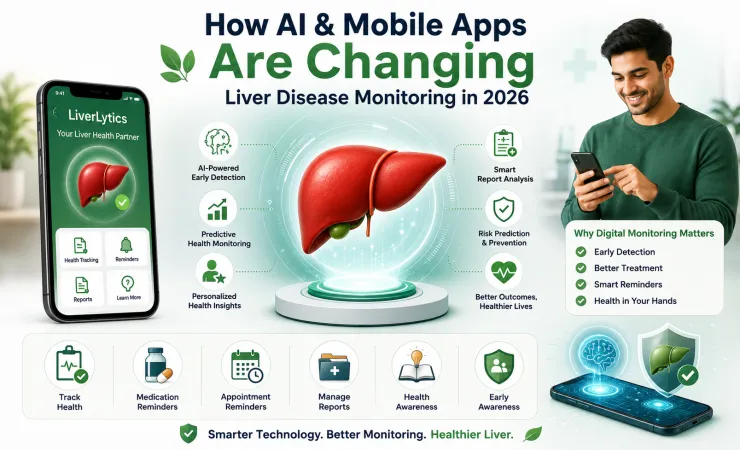
In 2026, healthcare technology is transforming how liver diseases are monitored and managed. Artificial Intelligence (AI) and mobile healthcare applications are helping patients and doctors move from delayed treatment to proactive healthcare management. Today, patients can track their health, manage reports, receive reminders, and stay informed directly from their smartphones.
This digital healthcare revolution is making liver disease monitoring smarter, faster, and more accessible than ever before.
The Growing Need for Smarter Liver Monitoring
Traditional liver disease management has several limitations:
Irregular health check-ups
Delayed diagnosis
Difficulty maintaining medical records
Lack of symptom tracking
Missed medications and appointments
Low patient awareness
Liver diseases such as cirrhosis and fatty liver often worsen gradually over time. Without proper monitoring, patients may miss important warning signs that could help prevent severe complications.
This is where AI-powered healthcare systems and mobile applications are making a major impact.
How AI Is Transforming Liver Healthcare
Artificial Intelligence is becoming one of the most important innovations in healthcare. AI systems can analyze large amounts of medical data quickly and identify patterns that may help doctors detect liver problems earlier.
Early Detection of Liver Disease
AI tools can analyze:
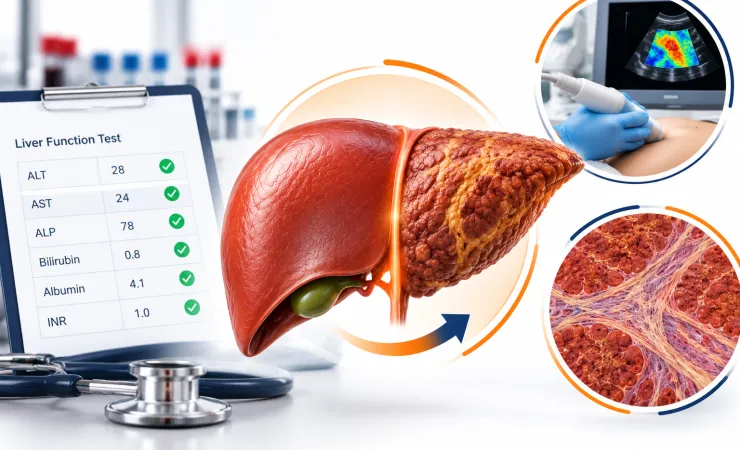
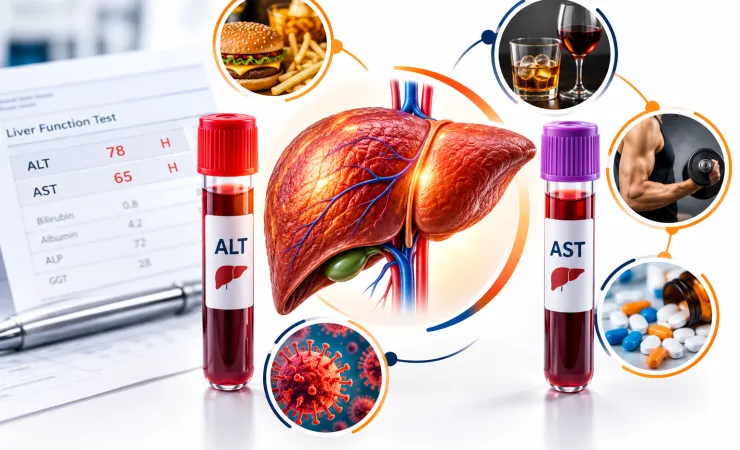
Liver Function Test (LFT) reports
Medical history
Lifestyle habits
Imaging reports
Symptom trends
This helps healthcare professionals identify early signs of:
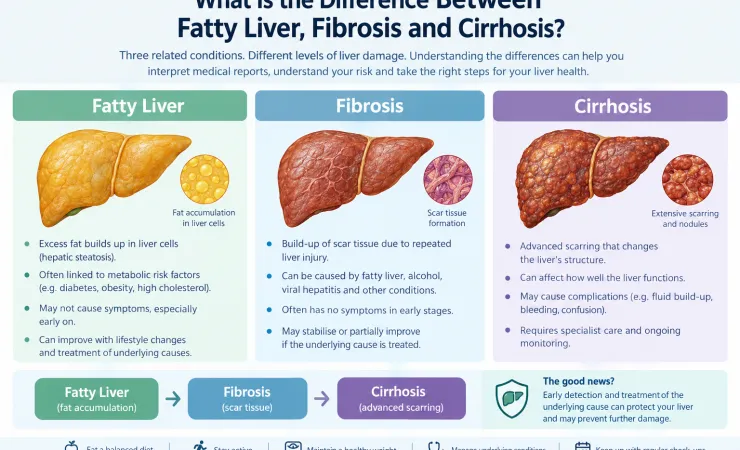
Fatty liver disease
Liver fibrosis
Hepatitis-related complications
Liver cirrhosis progression
Early detection is extremely important because liver diseases are easier to manage during the initial stages.
Predictive Health Monitoring
AI technology is also improving predictive healthcare.
Instead of waiting for symptoms to become severe, AI systems can continuously monitor health trends and identify possible risks before complications develop. This proactive healthcare model can help reduce hospitalization risks and improve treatment outcomes.
Personalized Health Recommendations
Modern AI systems can provide personalized recommendations based on a patient’s:
Age
Medical history
Lifestyle habits
Test reports
Existing liver conditions
Patients can receive guidance related to:
Diet plans
Exercise routines
Medication schedules
Hydration
Lifestyle improvements
This creates a more patient-focused healthcare experience.
The Rise of Mobile Apps in Liver Disease Management
Mobile healthcare applications are becoming essential tools for chronic disease management in 2026. Patients today want easy access to their health information, reminders, educational content, and organized medical records.
Healthcare apps help patients:
Stay connected to their treatment journey
Monitor symptoms regularly
Track medical reports
Improve medication adherence
Access health education anytime
This is especially important for liver disease patients who require long-term monitoring and lifestyle management.
How LiverLytics Is Changing Liver Disease Monitoring
One of the emerging digital healthcare platforms helping patients manage liver health more effectively is the LiverLytics app.
The app is designed to support smarter liver care by helping patients stay organized, informed, and proactive about their health.
Best Uses of the LiverLytics App
Daily Liver Health Tracking
Patients can monitor and maintain important liver-related health information in one organized digital platform.
Medication & Appointment Reminders
Missing medicines or follow-up consultations can negatively impact treatment. LiverLytics helps patients stay on schedule with automated reminders for:
Medicines
Doctor appointments
Follow-up tests
Routine health monitoring
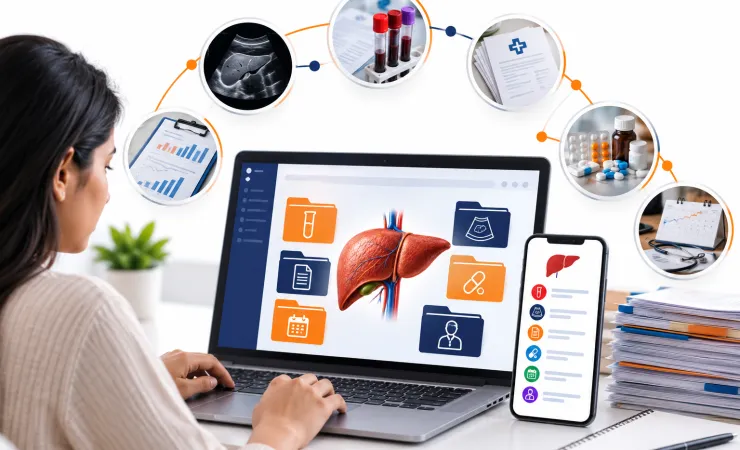
Digital Report Management
Managing physical reports can become difficult over time. LiverLytics allows users to maintain their medical records digitally for easy access whenever required.
Health Awareness & Educational Support
The app provides educational content related to:
Liver cirrhosis
Fatty liver disease
Hepatitis
Liver-friendly diets
Lifestyle management
Preventive healthcare
This helps patients better understand their condition and make informed health decisions.
Early Awareness Support
Regular tracking and monitoring help patients identify changes in their health earlier, allowing them to seek medical guidance before complications become severe.
Easy Accessibility Anytime, Anywhere
Since the platform is mobile-based, patients can access their health information conveniently from anywhere without depending on paper files or manual tracking methods.
Why Digital Liver Monitoring Matters in 2026
Healthcare is rapidly shifting toward preventive and data-driven care. AI-powered mobile applications are helping patients become more involved in managing their health.
Benefits of Digital Liver Monitoring
Better Patient Engagement
Patients actively participate in tracking their health instead of depending only on occasional hospital visits.
Improved Treatment Consistency
Automated reminders improve medication adherence and follow-up management.
Faster Medical Decisions
Doctors can review organized patient history and health trends more efficiently.
Increased Awareness
Patients become more informed about liver disease symptoms, risks, and lifestyle changes.
Reduced Risk of Complications
Early monitoring and awareness may help prevent severe liver-related complications.
The Future of AI in Liver Care
The future of liver disease management will become even more advanced with technologies such as:
AI-powered liver risk prediction
Wearable device integration
Remote patient monitoring
Smart diagnostic systems
Real-time health alerts
Personalized healthcare dashboards
As digital healthcare adoption continues to grow, mobile health platforms will play a major role in improving early diagnosis and long-term disease management.
Conclusion
AI and mobile applications are revolutionizing liver disease monitoring in 2026. These technologies are helping patients monitor their health more effectively, stay informed, and manage chronic liver conditions proactively.
Platforms like the LiverLytics app are making liver healthcare smarter and more accessible through digital tracking, reminders, educational support, and health awareness tools.
As awareness increases and healthcare becomes more technology-driven, digital liver monitoring has the potential to improve patient outcomes, support early detection, and encourage healthier lifestyles.
Smarter technology today can help build a healthier liver tomorrow.

“ Breathing in, I calm body and mind. Breathing out, I smile. ”
— Thich Nhat Hanh
Let’s Get in Touch
Your email address will not be published. Required fields are marked *
Recent Post
Looking for a Smarter Way to Track Liver Health?
Try it stress-free — We never modify medical data without your confirmation.

Comments :
Ooops!
No comments found.