Blog Post Details Page
06:51 AM | July 31, 2026 155 Views
How Can Mobile Apps Help Monitor Liver Disease?
Managing liver disease often involves regular monitoring of symptoms, blood test results, medications, diet and follow-up appointments. Keeping this information organised can become challenging over time, especially for people living with chronic liver conditions. Mobile health applications can serve as practical tools to help patients record important health information, identify trends and prepare for discussions with their healthcare team.
How Mobile Apps Can Help Monitor Liver Disease
Living with chronic liver disease often means keeping track of multiple aspects of your health over months or years. Mobile health applications can simplify this process by organising information in one place and helping users monitor changes over time.
While these apps cannot diagnose or treat liver disease, they can support day-to-day self-management and improve communication with healthcare providers.
Track Liver Blood Test Results
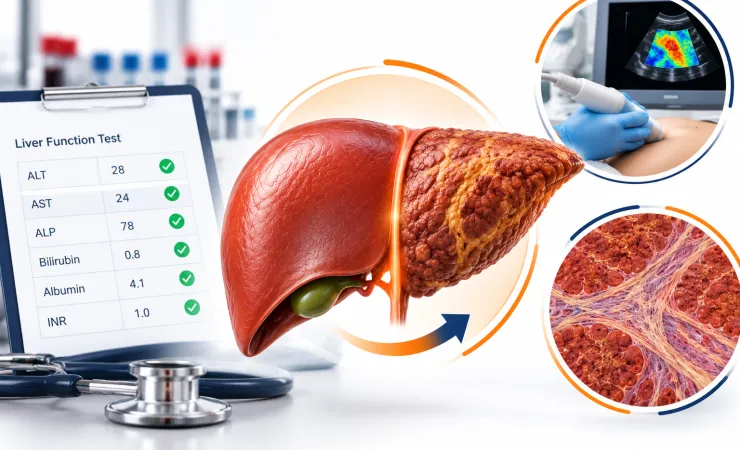
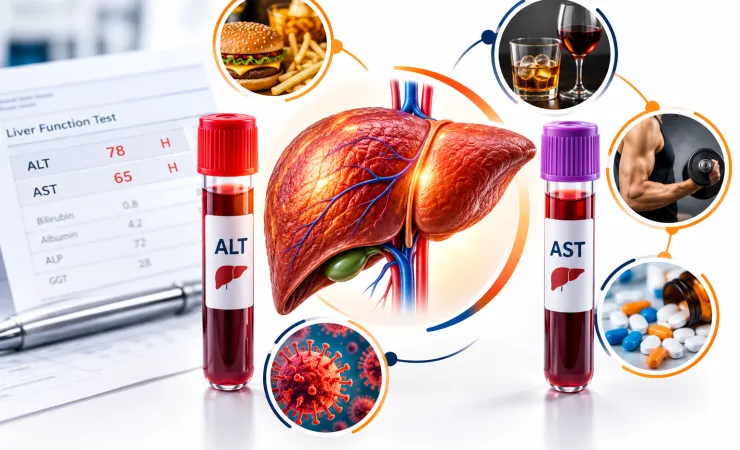
People with liver disease frequently undergo blood tests to monitor liver function and disease progression. Recording these results in a mobile app allows users to compare values over time rather than relying on individual laboratory reports.
Common tests that may be tracked include:
ALT (Alanine Aminotransferase)
AST (Aspartate Aminotransferase)
Bilirubin
Albumin
INR
Platelet count
Creatinine
Sodium levels (where appropriate)
Viewing historical results can make it easier to identify trends and discuss changes with your healthcare team.
Monitor Symptoms
Symptoms of liver disease can fluctuate over time. Recording them regularly may help patients recognise patterns and provide more accurate information during medical appointments.
Symptoms that can be monitored include:
Fatigue
Abdominal swelling
Leg swelling
Itching
Loss of appetite
Nausea
Weight changes
Sleep disturbances
Mental confusion (if advised by a healthcare professional)
Symptom tracking should never replace medical evaluation, especially if symptoms worsen suddenly.
Medication Management
Many people with chronic liver disease take several medications each day. Missing doses may reduce treatment effectiveness or increase the risk of complications.
Mobile apps may help users:
Record medications
Set medication reminders
Track dosing schedules
Record prescription changes
Maintain an updated medication list
Keeping this information organised can also be useful during hospital visits or consultations with new healthcare providers.
Monitor Lifestyle Factors
Lifestyle plays a significant role in supporting liver health. Some mobile applications allow users to record healthy habits that may influence disease management.
Examples include:
Daily weight
Physical activity
Water intake
Sodium consumption
Alcohol avoidance
Sleep patterns
Tracking these habits over time may encourage healthier routines and help users identify areas for improvement.
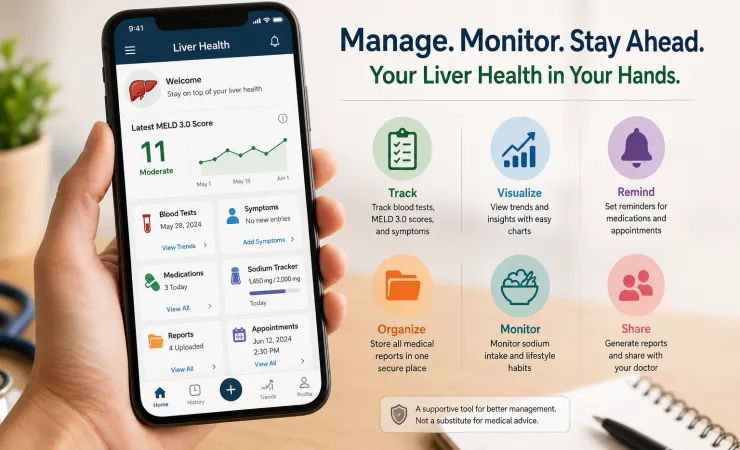
Monitor MELD 3.0 Scores
For people with advanced liver disease, healthcare professionals may use the MELD 3.0 score to assess disease severity and support treatment planning.
Some liver health applications allow users to:
Record MELD 3.0 scores
Store historical values
Compare results over time
View graphical trends
These records can help patients prepare for clinic appointments, although treatment decisions should always be made by healthcare professionals.
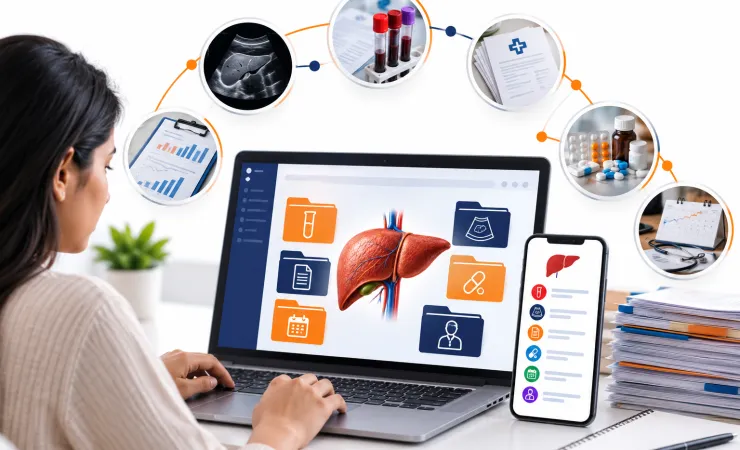
Store Medical Reports Securely
People living with liver disease often receive multiple reports, including blood test results, ultrasound scans, FibroScan® reports and hospital letters.
Keeping these documents in one secure location can make them easier to access when needed.
Some mobile apps allow users to:
Upload laboratory reports
Store imaging reports
Save consultation notes
Organise records by date
Access previous results quickly
Visualise Health Trends
Looking at individual test results may not always show the full picture. Graphs and trend charts can help users see gradual improvements or changes over weeks, months or years.
Visual tracking may include:
Liver enzyme trends
Weight changes
Sodium levels
MELD 3.0 scores
Symptom frequency
These visual summaries can support more informed discussions with healthcare providers.
Liverlytics as a Supportive Monitoring Tool
Patients managing chronic liver disease often benefit from maintaining organised records of blood tests, medications and clinical measurements. Digital tools such as theLiverlyticsmobile application can help users:
Track liver blood test results
Monitor MELD 3.0 scores
Record sodium levels
View historical trends using visual graphs
Compare data across custom date ranges
Generate exportable reports
Organise medical records for healthcare appointments
These features are intended to support health record management and consultation preparation. They should not be used as a substitute for professional medical advice, diagnosis or treatment.
Practical Tips for Patients and Caregivers
Managing liver disease requires more than attending medical appointments. Consistently tracking your health and following your treatment plan can help you and your healthcare provider identify changes early.
Here are some practical tips:
Record your liver blood test results after each appointment.
Keep an up-to-date list of all medications and supplements.
Monitor your weight if advised, especially if you have cirrhosis or fluid retention.
Follow your recommended sodium intake.
Record any new or worsening symptoms, such as fatigue, swelling or jaundice.
Attend all scheduled follow-up appointments and screening tests.
Avoid alcohol unless your healthcare provider advises otherwise.
Maintain a healthy diet and stay physically active within your doctor's recommendations.
Using a mobile app to organise this information can make it easier to review your progress and share accurate records during consultations.
Common Mistakes and Misconceptions
Myth: Mobile apps can diagnose liver disease.
Fact: Mobile apps are designed to organise and track health information. They cannot diagnose liver disease or replace medical evaluation.
Myth: If my symptoms improve, I don't need monitoring.
Fact: Some liver diseases progress silently without noticeable symptoms. Regular monitoring remains important even if you feel well.
Myth: Recording blood tests once is enough.
Fact: Trends over time are often more informative than a single test result. Regular tracking can help identify gradual changes.
Myth: Mobile apps replace doctor visits.
Fact: Health apps are supportive tools that complement, but never replace, professional medical care.
Myth: All liver health apps provide medical advice.
Fact: Reliable apps should focus on tracking and organisation rather than providing personalised diagnosis or treatment recommendations.
When Should You Speak to a Doctor?
Seek medical advice if you notice:
Increasing fatigue
Yellowing of the skin or eyes (jaundice)
Swelling in the abdomen or legs
Persistent nausea or vomiting
Loss of appetite
Dark urine or pale stools
Severe itching
Rapid, unexplained weight loss
New confusion or memory problems
Abnormal liver blood test results
Seek emergency medical attention immediately if you experience:
Vomiting blood
Black, tarry stools
Severe confusion or difficulty staying awake
Sudden severe abdominal pain
Difficulty breathing
Rapidly worsening jaundice
Expert Insights
One of the biggest challenges for people with chronic liver disease is keeping track of health information collected over many months or years. Blood tests, imaging reports, medication changes and symptom records are often stored in different places, making it difficult to see the overall picture.
Mobile health applications can help bridge this gap by organising important information in one location. Rather than relying on memory during appointments, patients can review historical trends, compare laboratory results and share organised records with their healthcare providers.
Digital tools such as the Liverlyticsmobile application enable users to track liver blood test results, monitor MELD 3.0 scores and sodium levels where appropriate, view trends through visual graphs, organise health records and generate reports for clinic visits. These features support informed discussions with healthcare professionals but should always be used alongside regular medical care.
People Also Ask
Can mobile apps help monitor liver disease?
Yes. Mobile apps can help users organise blood test results, track symptoms, record medications and monitor lifestyle habits, making long-term liver disease management more organised.
Can a mobile app detect liver disease?
No. Mobile apps cannot diagnose liver disease. Diagnosis requires medical assessment, blood tests and, in some cases, imaging or liver biopsy.
What should I track if I have liver disease?
Common information includes liver blood test results, medications, symptoms, weight, sodium intake, appointments and imaging reports.
Can mobile apps improve communication with doctors?
Yes. Having organised records and trend reports can help patients discuss their condition more effectively during healthcare appointments.
Are liver health apps suitable for caregivers?
Many apps can also help caregivers organise medications, appointments and health records for family members living with chronic liver disease.
Can mobile apps replace regular hospital visits?
No. They are supportive tools for monitoring and record-keeping and should never replace routine medical care.
Frequently Asked Questions
1. What information should I record in a liver health app?
Blood test results, medications, symptoms, appointments, weight, sodium intake and medical reports are all useful to track.
2. Can mobile apps remind me to take my medication?
Many health apps include medication reminders to help users follow their prescribed treatment schedule.
3. Is it safe to store medical records in a mobile app?
Choose applications that use secure data storage and privacy protections. Review the app's privacy policy before storing sensitive health information.
4. Can I share my records with my doctor?
Many apps allow users to generate or export reports that can be shared during healthcare appointments.
5. How often should I update my health information?
It's helpful to update your records whenever you receive new blood test results, medication changes or experience new symptoms.
6. Can symptom tracking improve my care?
Recording symptoms over time may help your healthcare provider identify patterns and assess whether your treatment plan is working.
7. Should I continue using the app if my liver disease is stable?
Yes. Ongoing monitoring can help maintain accurate records and make future healthcare appointments more productive.
8. Are mobile apps useful for people with fatty liver disease?
Yes. They can help track lifestyle habits, weight, laboratory results and other health information that supports long-term management.
Key Takeaways
Mobile apps help organise liver health information in one place.
They can track blood tests, symptoms, medications and lifestyle habits.
Historical graphs and reports make it easier to monitor long-term trends.
These tools improve health record organisation and consultation preparation.
Mobile apps support—but do not replace—professional medical advice and treatment.
Regular monitoring remains essential for people living with chronic liver disease.
Conclusion
Mobile health applications are becoming valuable tools for people managing liver disease. By helping users organise blood test results, monitor symptoms, track medications and maintain accurate health records, these apps can support more informed conversations with healthcare providers and encourage better long-term disease management.
However, mobile apps should always be viewed as supportive tools rather than substitutes for professional medical care. Combining regular monitoring, healthy lifestyle habits and guidance from your healthcare team remains the best approach to managing liver disease effectively.

“ Let all your things have their places; let each part of your business have its time. ”
— Benjamin Franklin
Let’s Get in Touch
Your email address will not be published. Required fields are marked *
Recent Post
Looking for a Smarter Way to Track Liver Health?
Try it stress-free — We never modify medical data without your confirmation.

Comments :
Ooops!
No comments found.