Blog Post Details Page
12:22 PM | July 30, 2026 110 Views
How Does Liver Disease Affect the Rest of the Body?
The liver is one of the hardest-working organs in the human body. It performs more than 500 essential functions, including filtering toxins from the blood, producing bile for digestion, storing nutrients, regulating blood sugar levels, and making proteins that help blood clot. Because the liver supports so many vital processes, damage to this organ can have far-reaching effects throughout the body.
Many people assume liver disease only affects the liver itself. In reality, chronic liver disease can influence nearly every major organ system, including the brain, kidneys, heart, digestive tract, immune system, bones and skin. Some complications develop gradually over months or years, while others may appear suddenly as liver function declines.
Understanding how liver disease affects the rest of the body is important for recognising early warning signs, preventing complications and seeking timely medical care. Whether liver disease is caused by fatty liver disease, viral hepatitis, alcohol-related liver disease, autoimmune conditions or cirrhosis, its impact often extends well beyond the liver.
In this article, you'll learn:
Why liver disease affects multiple organs
Which parts of the body are most commonly affected
Common symptoms and complications
How doctors diagnose and monitor these changes
Practical ways to manage liver disease and reduce the risk of complications
By understanding these connections, patients and caregivers can work more effectively with healthcare professionals to manage liver disease and maintain the best possible quality of life.
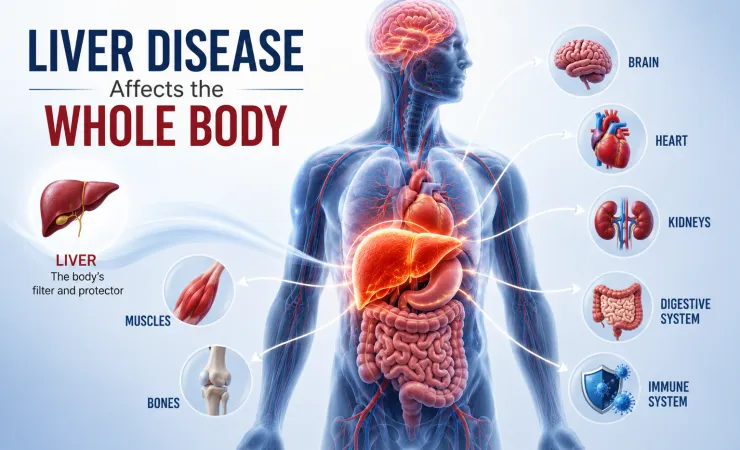
Liver disease affects the rest of the body because the liver plays a central role in filtering toxins, producing proteins, regulating metabolism and supporting immunity. When liver function declines, toxins and waste products accumulate, circulation changes, nutrient absorption is affected and inflammation increases, potentially impacting the brain, kidneys, heart, digestive system, bones, muscles and immune system.
What Is Liver Disease?
Definition
Liver disease is a broad term that describes conditions that damage the liver or interfere with its ability to function properly. These conditions may develop over many years or occur suddenly due to infection, toxins or other medical problems.
Some of the most common liver diseases include:
Non-alcoholic fatty liver disease (NAFLD), now increasingly referred to as metabolic dysfunction-associated steatotic liver disease (MASLD)
Alcohol-related liver disease
Hepatitis B
Hepatitis C
Autoimmune hepatitis
Primary biliary cholangitis (PBC)
Primary sclerosing cholangitis (PSC)
Genetic liver disorders such as haemochromatosis and Wilson disease
Liver cirrhosis
Liver cancer
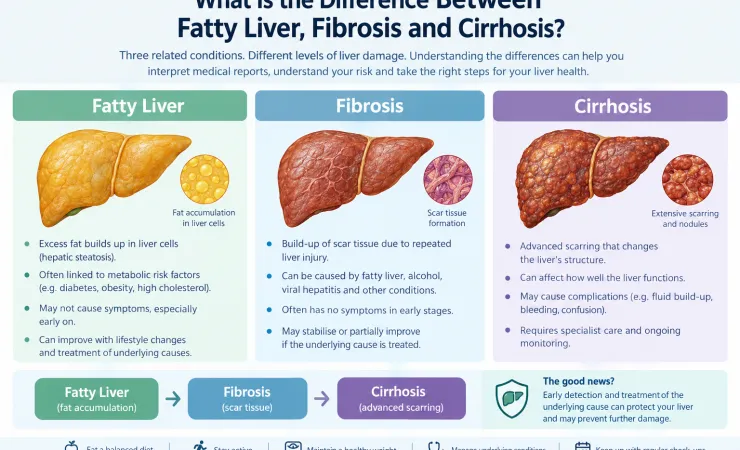
Although these conditions have different causes, they can all lead to inflammation, scarring (fibrosis) and eventually cirrhosis if left untreated.
Why the Liver Matters
The liver is often described as the body's chemical processing centre because it performs hundreds of essential tasks every day.
These include:
Removing harmful toxins and waste products from the bloodstream
Producing bile to digest fats
Storing vitamins, minerals and glycogen for energy
Regulating cholesterol and blood sugar levels
Producing proteins such as albumin and clotting factors
Metabolising medications and alcohol
Supporting immune function by filtering bacteria and harmful substances from the blood
When liver cells become damaged, these vital processes become less efficient. As liver function worsens, the effects extend beyond the liver itself, influencing many other organs and body systems.
Key Facts About Liver Disease
Understanding a few important facts can help explain why liver disease has such widespread effects.
The liver has remarkable regenerative ability
Unlike many organs, the liver can repair itself after mild or moderate injury. However, repeated or ongoing damage eventually overwhelms this ability, leading to permanent scarring known as fibrosis.
Fibrosis can progress silently
Many people have no symptoms during the early stages of liver disease. Significant damage may already be present before noticeable symptoms develop, highlighting the importance of regular health checks for individuals at higher risk.
Cirrhosis affects the whole body
When fibrosis becomes severe, it progresses to cirrhosis. Scar tissue disrupts normal blood flow through the liver, causing increased pressure in the portal vein (portal hypertension) and reducing the liver's ability to perform essential functions. This can lead to complications affecting multiple organs.
Liver disease is not always caused by alcohol
Although alcohol is a well-known cause, many people develop liver disease due to obesity, type 2 diabetes, viral hepatitis, autoimmune diseases, inherited conditions or certain medications.
Early diagnosis improves outcomes
Lifestyle changes, treating the underlying cause and regular medical monitoring can slow or even halt the progression of some liver diseases. Early intervention may prevent serious complications and improve long-term health.
How Does Liver Disease Affect the Rest of the Body?
The liver acts as a central hub for metabolism, detoxification, nutrient storage and hormone regulation. When it becomes damaged, these processes no longer work efficiently. As a result, changes occur throughout the body rather than remaining confined to the liver alone.
The main ways liver disease affects other organs include:
Reduced Removal of Toxins
A healthy liver filters harmful substances from the bloodstream. When liver function declines, toxins such as ammonia can build up and travel to the brain, contributing to confusion, memory problems and hepatic encephalopathy.
Impaired Protein Production
The liver produces albumin, a protein that helps maintain fluid balance within blood vessels. Reduced albumin levels can cause swelling in the legs and ankles and fluid accumulation in the abdomen (ascites).
The liver also produces clotting factors. Reduced production increases the risk of easy bruising and prolonged bleeding.
Portal Hypertension
Scarring from cirrhosis restricts blood flow through the liver, increasing pressure in the portal vein. This condition, known as portal hypertension, can cause enlarged veins (varices) in the oesophagus or stomach, enlargement of the spleen, and accumulation of fluid in the abdomen.
Changes in Metabolism
The liver regulates fats, carbohydrates and proteins. Liver disease can disrupt these processes, leading to muscle wasting, fatigue, nutritional deficiencies and altered blood sugar control.
Chronic Inflammation
Persistent liver inflammation affects the body's immune response and contributes to complications involving the heart, kidneys and blood vessels. Chronic inflammation may also increase susceptibility to infections.
Hormonal Imbalances
The liver helps break down hormones. When liver function is impaired, hormone levels may become abnormal, contributing to menstrual irregularities, reduced fertility, breast enlargement in men (gynaecomastia) and reduced libido.
Why Understanding Whole-Body Effects Is Important
Many complications of liver disease are preventable or manageable when recognised early. Symptoms such as persistent fatigue, swelling, confusion, jaundice, muscle weakness or unexpected weight changes should never be ignored, particularly in individuals with known liver disease.
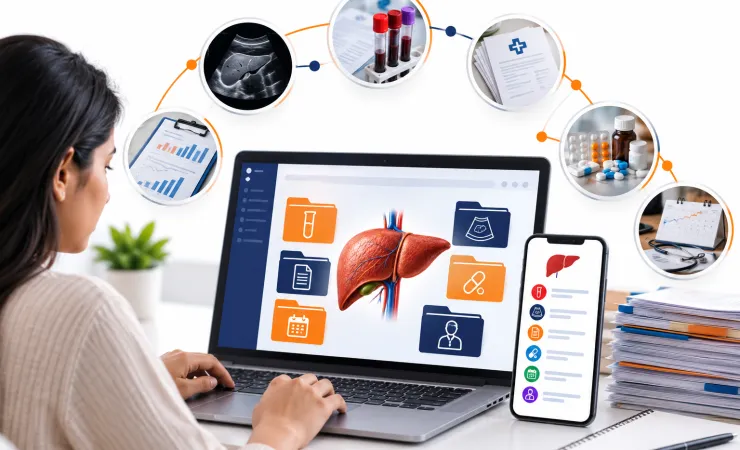
Regular monitoring through blood tests, imaging and specialist follow-up can help identify changes before they become severe. Patients managing chronic liver disease often benefit from keeping organised records of blood test results, sodium levels, MELD 3.0 scores, medications and symptoms. Digital tools such as theLiverlytics mobile application can help users organise this information, review historical trends through graphs, generate reports and prepare relevant information for healthcare appointments. These tools support record-keeping but do not replace professional medical advice or treatment.
How Liver Disease Affects Different Parts of the Body
As liver disease progresses, it can disrupt the normal functioning of many organs and body systems. The severity of these effects depends on the underlying cause, the stage of liver disease and whether complications such as cirrhosis or portal hypertension have developed. Understanding these body-wide effects can help patients recognise symptoms early and seek timely medical care.
Effects of Liver Disease on Different Organs
Brain – Hepatic Encephalopathy
One of the most serious complications of advanced liver disease is hepatic encephalopathy (HE). Normally, the liver removes toxins such as ammonia from the bloodstream. When the liver cannot perform this function effectively, these toxins accumulate and affect brain function.
Common Symptoms
Confusion or forgetfulness
Difficulty concentrating
Mood or personality changes
Poor sleep patterns
Slurred speech
Tremors or shaking hands (asterixis)
Difficulty performing everyday tasks
Drowsiness or, in severe cases, coma
Hepatic encephalopathy may be triggered by infections, dehydration, constipation, gastrointestinal bleeding or certain medications. It requires prompt medical evaluation because untreated HE can become life-threatening.
Kidneys – Hepatorenal Syndrome
The kidneys and liver work closely together to maintain the body's fluid and electrolyte balance. Advanced liver disease can reduce blood flow to the kidneys, resulting in hepatorenal syndrome (HRS), a serious form of kidney failure.
Signs and Symptoms
Reduced urine output
Swelling in the legs and feet
Fatigue
Rising creatinine levels on blood tests
Fluid retention
Worsening ascites
People with cirrhosis should have kidney function monitored regularly because early treatment may improve outcomes.
Heart and Blood Vessels
Although liver disease primarily affects the liver, it can also influence cardiovascular health.
Complications include:
Low blood pressure due to changes in circulation
Increased heart rate
Fluid overload
Cirrhotic cardiomyopathy (reduced heart function associated with cirrhosis)
Increased strain on the circulatory system
Portal hypertension causes blood to bypass the liver through enlarged veins, increasing the risk of bleeding from oesophageal or gastric varices.
Digestive System
Because the liver produces bile, liver disease often interferes with digestion.
Common digestive symptoms include:
Poor appetite
Nausea
Vomiting
Bloating
Indigestion
Weight loss
Difficulty digesting fatty foods
Vitamin deficiencies (especially vitamins A, D, E and K)
As liver disease advances, reduced nutrient absorption can contribute to malnutrition and muscle loss.
Immune System
The liver plays an important role in defending the body against bacteria, viruses and toxins.
When liver function declines:
The immune response becomes weaker.
Patients become more susceptible to bacterial infections.
Recovery from infections may take longer.
Serious infections, including spontaneous bacterial peritonitis (SBP), become more likely in people with ascites.
Preventing infections through vaccination, good hygiene and prompt medical treatment is an important part of liver disease management.
Bones and Muscles
Chronic liver disease often leads to loss of muscle mass (sarcopenia) and reduced bone strength.
Patients may experience:
Muscle weakness
Reduced physical endurance
Difficulty climbing stairs
Frequent falls
Osteoporosis
Increased fracture risk
Maintaining adequate protein intake (where medically appropriate), staying physically active and correcting vitamin D deficiency can help reduce these complications.
Skin and Eyes
Changes in the skin are often among the earliest visible signs of liver disease.
Common symptoms include:
Yellowing of the skin and eyes (jaundice)
Persistent itching (pruritus)
Easy bruising
Spider angiomas (small spider-like blood vessels)
Red palms (palmar erythema)
Dry skin
Dark urine
Pale stools
Persistent jaundice should always be assessed by a healthcare professional.
Hormones and Reproductive Health
The liver helps regulate hormone metabolism. When liver function is impaired, hormone levels may become imbalanced.
Men may experience:
Breast enlargement (gynaecomastia)
Reduced testosterone
Erectile dysfunction
Decreased fertility
Women may experience:
Irregular menstrual cycles
Fertility challenges
Hormonal fluctuations
Hormonal symptoms vary depending on the severity and cause of liver disease.
Diagnosis and Testing
Early diagnosis helps slow disease progression and reduce complications. Healthcare professionals use a combination of clinical assessment, blood tests and imaging studies.
Medical History and Physical Examination
A doctor may ask about:
Alcohol consumption
Weight and lifestyle
Family history of liver disease
Viral hepatitis risk factors
Current medications
Symptoms such as fatigue, jaundice or abdominal swelling
During the examination, they may check for:
Enlarged liver or spleen
Fluid in the abdomen
Swollen legs
Skin changes
Signs of confusion
Blood Tests
Common blood tests include:
Liver Function Tests (ALT, AST, ALP and GGT)
Bilirubin
Albumin
International Normalised Ratio (INR)
Full Blood Count (FBC)
Kidney function tests
Sodium levels
Viral hepatitis screening
Autoimmune markers when indicated
These tests help evaluate liver injury, liver function and potential complications.
Imaging Tests
Imaging allows doctors to assess the liver's structure and identify complications.
Common investigations include:
Ultrasound scan
FibroScan® (transient elastography)
CT scan
MRI scan
These tests can detect fatty liver, fibrosis, cirrhosis, tumours and portal hypertension.
Liver Biopsy
Although not always required, a liver biopsy may be recommended when the diagnosis remains uncertain or when more detailed information about inflammation and fibrosis is needed.
Understanding Test Results
Healthcare providers interpret test results together rather than relying on a single value.
Important indicators include:
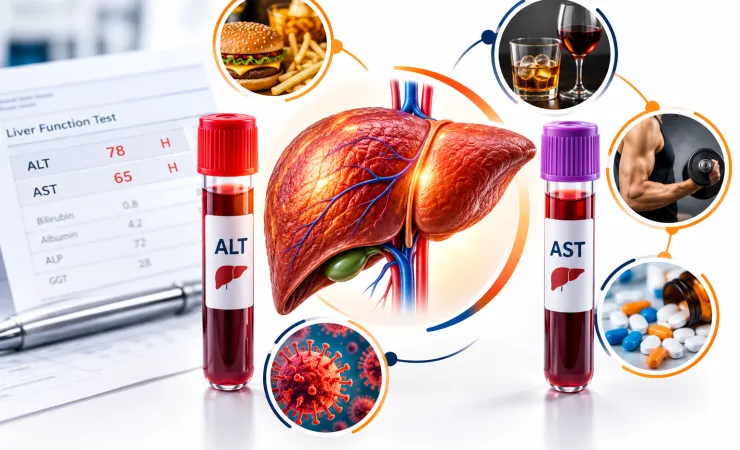
Elevated ALT and AST may suggest liver cell injury.
High bilirubin may indicate impaired bile flow or reduced liver function.
Low albumin can reflect advanced liver disease.
Increased INR suggests reduced production of clotting factors.
Platelet counts may decrease because of portal hypertension.
MELD 3.0 scores help estimate the severity of advanced liver disease and support decisions about specialist care, including liver transplantation.
No individual blood test can determine the overall health of the liver on its own. A complete clinical assessment is essential.
Treatment and Management
Treatment depends on the underlying cause, disease stage and presence of complications. While some liver damage can be reversed in its early stages, advanced cirrhosis usually requires long-term management.
Medical Treatments
Depending on the diagnosis, treatment may include:
Antiviral medications for hepatitis B or C
Medicines to treat autoimmune liver diseases
Diuretics to manage fluid retention
Lactulose or rifaximin for hepatic encephalopathy
Non-selective beta-blockers to reduce the risk of variceal bleeding
Nutritional support
Endoscopic treatment for oesophageal varices
Liver transplantation for eligible patients with end-stage liver disease
Treatment plans should always be individualised under specialist medical supervision.
Lifestyle Management
Healthy lifestyle choices can help slow disease progression and improve quality of life.
Healthcare professionals commonly recommend:
Avoiding alcohol completely if advised.
Maintaining a healthy weight.
Following a balanced diet with adequate protein unless otherwise directed.
Limiting sodium intake if fluid retention or ascites is present.
Staying physically active within individual ability.
Receiving recommended vaccinations.
Taking medications only as prescribed.
Attending regular follow-up appointments.
Monitoring Progress
Regular monitoring allows healthcare teams to detect complications early and adjust treatment when needed.
Patients managing chronic liver disease often benefit from keeping organised records of:
Liver blood test results
MELD 3.0 scores
Sodium levels
Weight changes
Medication schedules
Symptoms such as swelling, confusion or fatigue
Digital tools such as the Liverlytics mobile application can help users organise these records, review historical trends using visual graphs, compare results over custom date ranges, generate exportable reports and prepare information for discussions with healthcare professionals. These tools support health record management but should not replace medical advice or routine clinical care.
Practical Tips for Patients and Caregivers
Living with liver disease often requires long-term lifestyle changes and regular medical follow-up. While treatment plans vary depending on the cause and severity of liver disease, several practical steps can help reduce the risk of complications and improve quality of life.
Follow Your Treatment Plan
Take medications exactly as prescribed and attend all scheduled appointments. Do not stop or change medicines without consulting your healthcare provider.
Eat a Balanced Diet
Good nutrition is essential for maintaining muscle mass and supporting liver function.
General recommendations include:
Eat plenty of fruit and vegetables.
Choose wholegrains where possible.
Include adequate protein unless advised otherwise.
Limit highly processed foods.
Reduce salt intake if you have fluid retention or ascites.
Drink enough fluids unless your doctor recommends fluid restriction.
A registered dietitian can provide personalised dietary advice.
Stay Physically Active
Regular exercise helps maintain muscle strength, improve energy levels and support overall health. Even light activities such as walking or gentle resistance exercises may be beneficial, depending on your condition.
Avoid Alcohol
For most people with chronic liver disease, avoiding alcohol completely is one of the most important steps to prevent further liver damage.
Protect Yourself Against Infections
People with advanced liver disease are more vulnerable to infections.
Speak with your healthcare provider about recommended vaccinations, including:
Influenza
COVID-19
Hepatitis A (if appropriate)
Hepatitis B (if appropriate)
Pneumococcal vaccination
Monitor Your Health
Keep track of:
Weight changes
Swelling in the legs or abdomen
New symptoms
Medication schedules
Blood test results
Medical appointments
Patients managing chronic liver disease often benefit from maintaining organised health records. Digital tools such as the Liverlytics mobile application can help users record MELD 3.0 scores, sodium levels, laboratory results and symptoms, review trends over time using graphs, generate reports and organise information before medical consultations. These features support health monitoring but are not a substitute for professional medical care.
Common Mistakes and Misconceptions
Several misconceptions about liver disease can delay diagnosis or appropriate treatment.
Myth: Liver disease only affects people who drink alcohol.
Fact: Many cases are caused by obesity, metabolic dysfunction, viral hepatitis, autoimmune diseases or inherited conditions.
Myth: Liver disease always causes pain.
Fact: Early liver disease often develops without noticeable symptoms. Many people are diagnosed through routine blood tests or imaging.
Myth: Normal liver blood tests mean your liver is healthy.
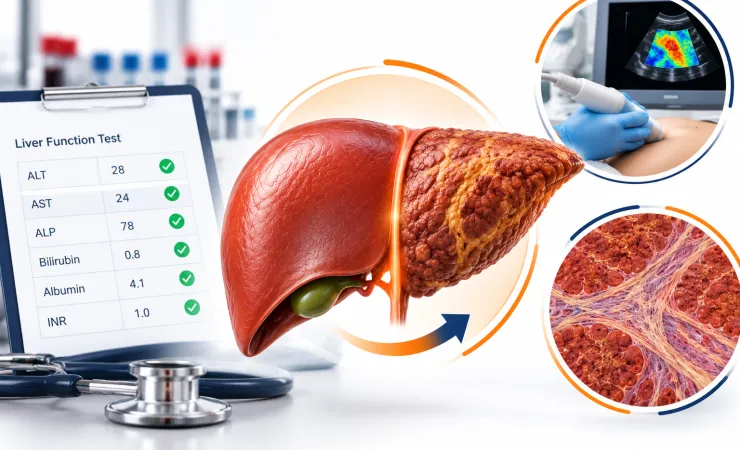
Fact: Liver function tests may appear normal even when significant fibrosis or cirrhosis is present. Additional investigations such as imaging or FibroScan® may be needed.
Myth: Cirrhosis only affects the liver.
Fact: Cirrhosis can affect the brain, kidneys, heart, immune system, digestive tract, bones and muscles.
Myth: Once diagnosed, nothing can be done.
Fact: Early diagnosis, treating the underlying cause and adopting healthy lifestyle changes can slow disease progression and reduce complications.
When Should You Speak to a Doctor?
Seek medical advice promptly if you notice symptoms that could indicate worsening liver disease.
Contact your healthcare provider if you experience:
Persistent fatigue
Yellowing of the skin or eyes
Increasing abdominal swelling
Swollen legs or ankles
Unexplained weight loss
Ongoing nausea or vomiting
Dark urine or pale stools
Severe itching
Easy bruising or bleeding
Seek urgent medical attention if you develop:
Vomiting blood
Black, tarry stools
Sudden confusion
Difficulty staying awake
Severe abdominal pain
High fever with worsening liver disease
Rapidly increasing abdominal swelling
These symptoms may indicate serious complications requiring immediate assessment.
Expert Insights
Many articles focus primarily on liver damage itself, but long-term management involves much more than monitoring liver enzymes.
Quality of Life Matters
Fatigue, reduced muscle strength, poor sleep and anxiety are common concerns that may significantly affect daily life, even before advanced liver disease develops. Addressing these issues can improve overall wellbeing.
Nutrition Should Be Individualised
People with liver disease have different nutritional needs depending on the stage of disease, presence of ascites and muscle mass. Personalised dietary advice is often more effective than following restrictive diets found online.
Muscle Health Is Often Overlooked
Loss of muscle mass (sarcopenia) is associated with poorer outcomes in cirrhosis. Regular physical activity and appropriate protein intake play an important role in maintaining strength.
Regular Monitoring Can Detect Problems Early
Routine blood tests, imaging, endoscopy (when indicated) and clinical reviews help identify complications before symptoms become severe.
Mental Health Deserves Attention
Living with chronic liver disease can affect emotional wellbeing. Speaking with healthcare professionals, counsellors or support groups may help people cope with stress, anxiety and uncertainty.
People Also Ask
Can liver disease affect your whole body?
Yes. Because the liver performs many essential functions, liver disease can affect the brain, kidneys, heart, digestive system, immune system, muscles, bones and skin.
What organs are affected by liver disease?
Advanced liver disease commonly affects the brain, kidneys, heart, spleen, digestive tract and immune system, particularly when cirrhosis develops.
Can liver disease cause muscle weakness?
Yes. Chronic liver disease may lead to muscle loss (sarcopenia), reduced strength and fatigue due to altered metabolism and poor nutrition.
Why does liver disease cause swelling?
Reduced albumin production and portal hypertension allow fluid to leak into tissues, causing swelling in the legs and fluid accumulation in the abdomen (ascites).
Can liver disease affect the brain?
Yes. Advanced liver disease may cause hepatic encephalopathy, a condition in which toxins affect brain function, leading to confusion, memory problems and drowsiness.
Is liver disease reversible?
Some causes of liver disease, such as early-stage fatty liver disease, may improve with appropriate treatment and lifestyle changes. Advanced cirrhosis is generally not reversible, although progression can often be slowed.
Frequently Asked Questions
1. What is the first sign that liver disease is affecting the body?
Early symptoms may include fatigue, reduced appetite, nausea or mild abdominal discomfort. However, many people have no symptoms in the early stages.
2. Does liver disease always progress to cirrhosis?
No. Early diagnosis and treatment can prevent or significantly delay progression in many people.
3. Can liver disease affect memory?
Yes. Hepatic encephalopathy may cause memory problems, poor concentration and confusion in advanced liver disease.
4. Why does liver disease cause itchy skin?
Itching may occur because bile salts and other substances accumulate in the bloodstream when bile flow is impaired.
5. Can liver disease increase infection risk?
Yes. Reduced immune function makes people with advanced liver disease more susceptible to infections.
6. How often should liver disease be monitored?
Monitoring depends on the underlying condition and disease stage. Your healthcare provider will recommend an appropriate schedule for blood tests, imaging and follow-up appointments.
7. Can exercise help people with liver disease?
Yes. Appropriate physical activity may improve muscle strength, fitness and overall wellbeing. Exercise programmes should be discussed with a healthcare professional.
8. Is weight loss helpful for fatty liver disease?
For people with overweight or obesity, gradual weight loss under medical supervision may improve fatty liver disease and reduce inflammation.
9. Can liver disease affect the kidneys?
Yes. Advanced liver disease may reduce kidney function and, in severe cases, lead to hepatorenal syndrome.
10. When is a liver transplant considered?
A liver transplant may be recommended for people with end-stage liver disease, liver failure or certain liver cancers when other treatments are no longer effective.
Key Takeaways
The liver supports more than 500 essential body functions.
Liver disease affects many organs, not just the liver.
The brain, kidneys, heart, digestive system and immune system are particularly vulnerable.
Early liver disease may cause few or no symptoms.
Timely diagnosis and treatment can slow disease progression.
Healthy lifestyle changes play an important role in management.
Regular monitoring helps detect complications before they become severe.
Organised health records can support more informed discussions with healthcare providers.
Conclusion
Liver disease is a complex condition that extends far beyond the liver itself. Because the liver plays a central role in metabolism, detoxification, digestion and immune function, damage to this organ can affect nearly every major system in the body. Complications involving the brain, kidneys, heart, digestive tract and immune system become more likely as liver disease progresses, particularly in advanced cirrhosis.
The encouraging news is that many liver diseases can be managed effectively when detected early. Regular medical reviews, healthy lifestyle choices, appropriate treatment and ongoing monitoring all contribute to better long-term outcomes. Patients and caregivers who understand how liver disease affects the rest of the body are better equipped to recognise warning signs, reduce complications and actively participate in their care.
I

“ The biggest battle is the war against ignorance. ”
— Mustafa Kemal Atatürk
Let’s Get in Touch
Your email address will not be published. Required fields are marked *
Recent Post
Looking for a Smarter Way to Track Liver Health?
Try it stress-free — We never modify medical data without your confirmation.

Comments :
Ooops!
No comments found.