Blog Post Details Page
07:32 AM | August 17, 2026 118 Views
The Gut-Liver Connection: How Digestive Health Impacts Liver Function
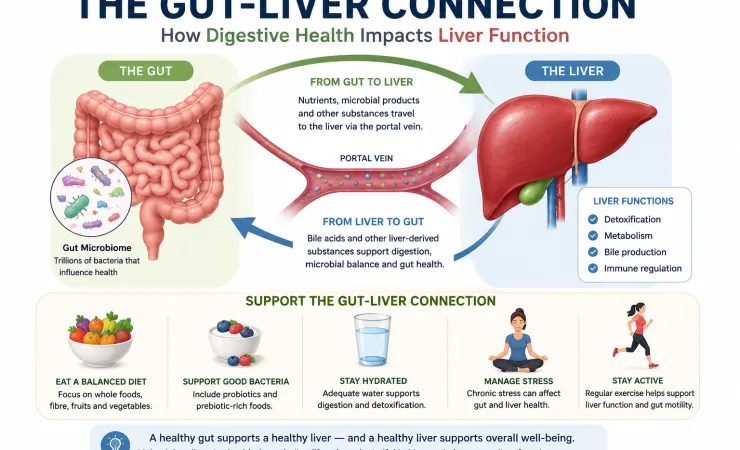
Your digestive system and liver may seem like separate parts of the body, but they are closely connected. Food, nutrients, microbial products and other substances absorbed from the intestine reach the liver through the portal circulation, while the liver sends bile and other signals back towards the intestine.
This two-way relationship is commonly called the gut-liver axis. It helps regulate metabolism, immune activity, bile acid circulation and the intestinal barrier. Research increasingly shows that changes in the gut microbiome and intestinal barrier can be associated with several liver diseases, including metabolic dysfunction-associated steatotic liver disease (MASLD), alcohol-associated liver disease and cirrhosis.
Understanding the gut-liver connection does not mean that every digestive problem causes liver disease. Instead, it helps explain why digestive health, nutrition and liver health can influence one another.
The gut-liver connection is a two-way relationship between the digestive tract, its microbiome and the liver. Nutrients and microbial products travel from the intestine to the liver through the portal vein, while bile acids and other liver-derived signals influence the gut. Disruption of this system may contribute to inflammation and some liver diseases.
What Is the Gut-Liver Connection?
Definition
The gut-liver axis describes communication between the intestine and liver through blood circulation, bile, immune signalling, microbial metabolites and other biological pathways.
One particularly important route is the portal vein. Blood draining from much of the digestive tract travels directly to the liver, carrying nutrients and substances produced or modified by intestinal microbes. The liver then processes many of these substances before they enter the wider circulation.
The relationship also works in the opposite direction. The liver produces bile acids, which enter the intestine and participate in digestion and signalling. Gut bacteria modify some bile acids, and these altered molecules can influence metabolic and immune pathways.
Why It Matters
The gut contains a complex community of microorganisms known collectively as the gut microbiome. These organisms interact with food, intestinal cells and the immune system.
When the gut-liver system is functioning normally, the intestinal barrier helps regulate what passes from the gut into circulation. When this barrier becomes impaired, microbial components and other substances may reach the liver in greater amounts and contribute to inflammatory signalling. This process is particularly relevant to research into cirrhosis and other chronic liver diseases.
Key Facts About the Gut-Liver Axis
The intestine and liver communicate in both directions.
The portal circulation provides a direct route between the digestive tract and liver.
Gut microbes influence metabolites, immune signalling and bile acid metabolism.
The liver also influences the intestinal environment through bile and other substances.
Changes in the gut microbiome have been observed in several liver diseases.
Gut microbiome research is promising, but microbiome-based treatments are still an evolving area of medicine.
Importantly, an association between an altered microbiome and liver disease does not automatically prove that a particular bacterial species caused the disease. Researchers are still working to understand which changes are causes, consequences or both.
How Digestive Health Can Affect Liver Function
1. The Gut Microbiome
The microbiome helps break down components of food and produces biologically active compounds. Some microbial metabolites can affect metabolism, immunity and inflammation.
Research has found differences in gut microbiomes between people with certain liver diseases and people without them. NIDDK notes that researchers are investigating the relationship between the microbiome and fatty liver disease, while emphasising that the precise mechanisms are still being studied.
2. The Intestinal Barrier
The intestinal lining acts as a controlled barrier. It allows useful nutrients to be absorbed while helping restrict potentially harmful substances from entering circulation.
When intestinal barrier function is impaired, greater exposure of the liver to gut-derived microbial products may occur. This is an important area of research in chronic liver disease, particularly cirrhosis.
3. Bile Acids
Bile acids are not simply digestive substances. They also act as signalling molecules between the gut and liver.
Gut bacteria modify bile acids, while bile acids influence microbial communities and intestinal processes. Disturbances in this communication may affect inflammation and metabolic pathways involved in liver disease.
4. Diet and Microbial Metabolites
What a person eats can influence both metabolic health and the gut environment. Dietary patterns rich in minimally processed plant foods can provide fibre that gut microbes ferment into short-chain fatty acids and other metabolites.
However, diet should be considered as part of overall liver management rather than a standalone treatment for liver disease.
Symptoms, Causes and Risk Factors
Common Symptoms
There is no single set of symptoms that proves a person has a gut-liver problem. Digestive symptoms such as bloating, constipation, diarrhoea or abdominal discomfort can have many causes unrelated to liver disease.
Similarly, early liver disease may cause few or no noticeable symptoms.
People with persistent digestive symptoms alongside abnormal liver tests should discuss the combination with a healthcare professional rather than assuming that the symptoms are caused by the gut-liver axis.
Main Causes and Risk Factors
Factors associated with disturbances in gut-liver health can include:
Metabolic dysfunction and excess body weight
Diets high in highly processed foods
Excessive alcohol consumption
Certain chronic liver diseases
Changes in the intestinal microbiome
Impaired intestinal barrier function
Some medications or illnesses that alter the gut environment
The relationship is complex, and individual risk depends on the underlying condition.
Diagnosis and Testing
There is currently no single routine clinical test that can diagnose a general “gut-liver axis disorder”.
A healthcare professional may instead investigate the specific symptoms or liver condition involved.
Depending on the situation, assessment can include:
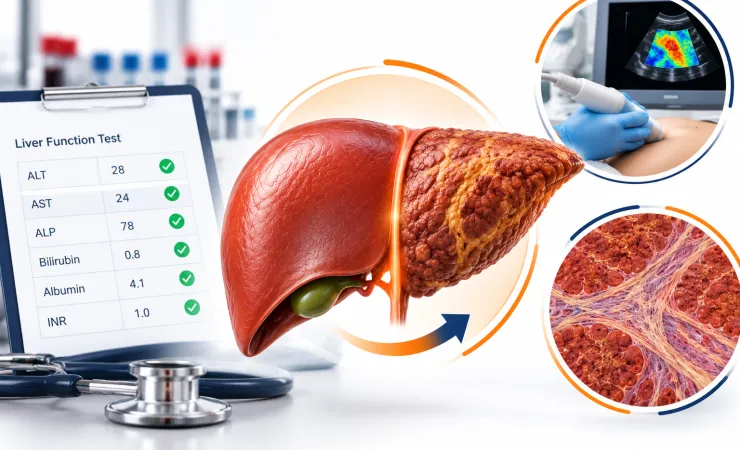
Liver blood tests such as ALT, AST, ALP and bilirubin
Metabolic measurements such as blood glucose or lipid testing
Ultrasound or other liver imaging
Assessment of fibrosis where appropriate
Tests for specific liver diseases
Gastrointestinal investigations when digestive symptoms require them
Microbiome testing is an active research area, but commercial microbiome results should not be interpreted as a diagnosis of liver disease.
Treatment and Management
Medical Treatments
Treatment depends on the underlying liver or digestive condition. A person with MASLD, viral hepatitis, alcohol-associated liver disease, cholestatic disease or cirrhosis may require very different medical management.
Research into therapies that target the gut-liver axis—including approaches involving bile acid signalling and the microbiome—is continuing. AASLD has highlighted gut-liver-axis research in cholestatic disease, but many microbiome-directed strategies remain investigational rather than established replacements for standard treatment.
Lifestyle Management
For many people, the most sensible approach is to support overall metabolic and digestive health rather than trying to “detox” the liver.
Useful habits may include:
Eating a varied, balanced diet
Including fibre-rich foods where tolerated
Limiting excess added sugars and highly processed foods
Avoiding excessive alcohol
Maintaining an appropriate level of physical activity
Managing weight and metabolic risk factors where appropriate
Following prescribed treatment for diagnosed liver disease
Do not start probiotics, herbal products or supplements specifically to treat liver disease without discussing them with a healthcare professional.
Monitoring Progress
For people living with chronic liver disease, keeping organised health information can make appointments more productive.
Digital tools such as the Liverlytics mobile application can be used as a supportive record-keeping tool for liver health information, including MELD 3.0 scores, sodium levels, historical results and trends. Features such as graphs, custom date ranges and report generation may help users organise information for discussions with their healthcare team.
These tools do not diagnose or treat liver disease, and trends should always be interpreted alongside clinical assessment.
Practical Tips for Patients and Caregivers
Instead of focusing on a single “good” or “bad” gut bacterium, consider the bigger picture.
Build dietary variety gradually. Include vegetables, fruits, whole grains, legumes and other fibre-containing foods when appropriate for your health.
Stay hydrated, unless your healthcare team has prescribed fluid restrictions.
Avoid unnecessary supplements. “Natural” does not automatically mean safe for the liver.
Take prescribed medicines correctly.
Keep a record of relevant liver results, symptoms and medication changes.
Ask before making major dietary changes, particularly if you have advanced liver disease.
Look for trends rather than isolated numbers. One abnormal liver test does not necessarily explain the whole picture.
Common Mistakes and Misconceptions
“All digestive problems damage the liver.”
Not necessarily. IBS, constipation, reflux and other digestive disorders can occur without liver disease. Persistent symptoms deserve appropriate evaluation rather than assumptions about the gut-liver axis.
“A probiotic can repair the liver.”
There is not enough evidence to claim that a generic probiotic can reverse liver disease. Probiotics and other microbiome interventions remain areas of active research, and effects can vary according to the condition and intervention.
“A liver detox will clean the gut and liver.”
The liver already performs complex detoxification and metabolic functions. Detox drinks, cleanses and supplements should not be considered substitutes for evidence-based liver care.
“Gut microbiome testing can tell me exactly what is wrong with my liver.”
Current microbiome research is promising, but testing the composition of gut bacteria is not the same as diagnosing liver disease.
When Should You Speak to a Doctor?
Speak with a healthcare professional if you have persistent digestive symptoms, unexplained changes in liver blood tests, jaundice, ongoing abdominal swelling, unexplained weight loss, persistent vomiting, significant abdominal pain or symptoms associated with known liver disease.
People who already have cirrhosis or another chronic liver condition should follow their clinician's monitoring plan and seek urgent medical advice for new or rapidly worsening symptoms.
Expert Insights
One of the most important developments in gut-liver research is the move away from viewing the microbiome as simply a collection of “good” and “bad” bacteria.
Researchers are increasingly studying the whole ecosystem: intestinal barrier function, microbial metabolites, bile acids, immune responses, diet and the liver itself. Recent reviews describe dysregulation of these interacting systems across several liver diseases, but also emphasise that disease-specific mechanisms and effective microbiome-targeted treatments remain under investigation.
This distinction matters for patients. Improving general digestive and metabolic health is sensible, but it should not lead people to replace proven medical treatment with untested microbiome therapies.
People Also Ask
Can poor gut health cause liver problems?
Gut dysfunction may contribute to inflammatory and metabolic processes associated with some liver diseases, but common digestive symptoms do not automatically mean that liver damage is occurring.
Can fatty liver affect gut health?
Yes, the relationship is potentially bidirectional. Studies have identified differences in the gut microbiome of people with fatty liver disease, although researchers are still establishing the exact cause-and-effect relationships.
What is the gut-liver axis?
It is the two-way communication system connecting the intestine, gut microbiome and liver through circulation, bile acids, immune signals and microbial metabolites.
Does constipation affect the liver?
Constipation itself does not automatically cause liver damage. However, bowel and liver health can interact through broader gut-liver mechanisms, so persistent constipation should be assessed according to its underlying cause.
Are probiotics good for liver health?
Some probiotic interventions have been investigated in liver disease, but evidence varies by condition and product. Probiotics should not be viewed as a universal treatment for liver disease.
Does fibre help the gut-liver connection?
Fibre is an important food source for many gut microbes and can be fermented into metabolites such as short-chain fatty acids. A balanced, fibre-rich diet may support overall metabolic and digestive health, although individual dietary needs differ.
Can liver disease cause digestive problems?
Yes. Some liver and biliary conditions can be associated with digestive symptoms, but symptoms such as bloating or abdominal discomfort have many possible causes.
Is gut microbiome treatment available for liver disease?
Some microbiome-directed approaches are being studied, but many remain experimental. Standard treatment for the underlying liver condition remains essential.
Frequently Asked Questions
Does gut health affect liver enzymes?
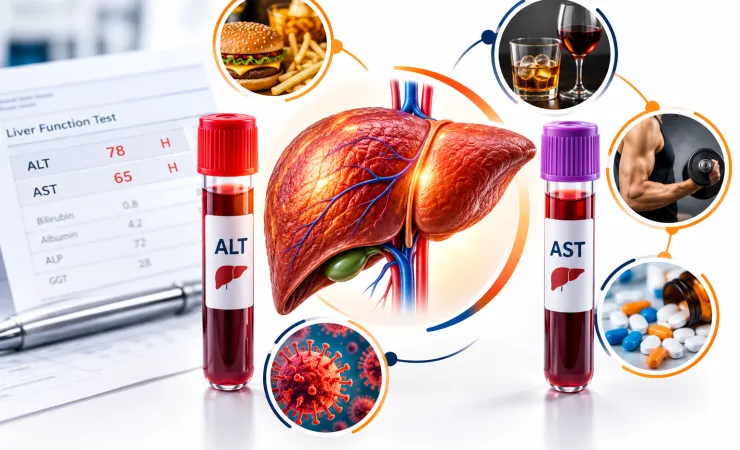
Gut-liver interactions can influence inflammatory and metabolic pathways, but abnormal ALT or AST levels have many possible causes. Liver enzymes should be interpreted by a healthcare professional rather than attributed to gut health alone.
Can improving gut health reverse fatty liver?
Improving diet, physical activity and metabolic health can be important in managing fatty liver disease. However, it is too simplistic to say that improving the microbiome alone reverses fatty liver.
Are fermented foods good for the liver?
Fermented foods can form part of a balanced diet, but there is not enough evidence to claim that a particular fermented food treats liver disease.
Should people with cirrhosis take probiotics?
People with cirrhosis should discuss probiotics with their healthcare team. Evidence for probiotics is condition-specific, and supplements should not replace prescribed treatment or nutritional guidance.
Can antibiotics affect the gut-liver axis?
Antibiotics can alter the gut microbiome. In certain liver conditions, antibiotics may also be deliberately prescribed for specific medical reasons. They should only be used when clinically indicated.
Can alcohol damage both the gut and liver?
Yes. Research indicates that alcohol can disrupt several components of the gut-liver axis, including the gut microbiome and intestinal barrier, while also contributing directly to liver injury.
How can I monitor my liver health?
Follow your clinician's recommended blood tests, imaging and fibrosis assessments. Keeping an organised history of results, symptoms, medicines and lifestyle changes can also make clinical consultations more useful.
Does a healthy gut guarantee a healthy liver?
No. Liver health depends on many factors, including genetics, infections, metabolic conditions, alcohol exposure, medications and other diseases. Gut health is one component of a much larger picture.
Key Takeaways
The gut-liver connection is a two-way relationship involving the intestine, microbiome, liver, bile acids, immune system and circulation.
The portal vein allows substances absorbed from the gut to reach the liver directly.
Changes in gut microbiota and intestinal barrier function are associated with several liver diseases.
Bile acids act as important signalling molecules between the liver and intestine.
A balanced diet and healthy lifestyle can support overall metabolic and digestive health.
Probiotics, microbiome therapies and other gut-targeted treatments are promising research areas but are not universal treatments for liver disease.
Persistent digestive symptoms or abnormal liver tests should be medically assessed rather than self-diagnosed.
People with chronic liver disease can benefit from keeping organised records of clinical results and symptoms.
Conclusion
The gut and liver are connected by a sophisticated biological network that influences digestion, metabolism, immunity and inflammation. The gut-liver axis helps explain why changes in the intestinal microbiome, intestinal barrier and bile acid metabolism are increasingly being studied in liver disease.
For patients, the practical message is straightforward: supporting digestive health is part of supporting overall health, but it should not replace proper liver evaluation or treatment. A balanced diet, appropriate physical activity, responsible alcohol use, prescribed care and regular monitoring remain more important than chasing a single “perfect” gut microbiome.
As research develops, gut-directed therapies may become increasingly useful in selected liver conditions. For now, the strongest approach is to understand the connection without oversimplifying it—and to work with a healthcare professional when digestive symptoms or liver abnormalities persist.

“ You must be the change you wish to see in the world. ”
— Mahatma Gandhi
Let’s Get in Touch
Your email address will not be published. Required fields are marked *
Recent Post

Looking for a Smarter Way to Track Liver Health?
Try it stress-free — We never modify medical data without your confirmation.

Comments :
Ooops!
No comments found.