Blog Post Details Page
04:35 PM | May 04, 2026 204 Views
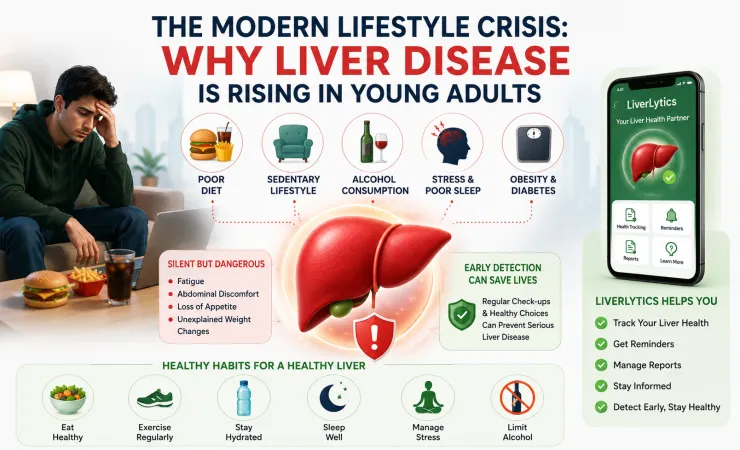
The Modern Lifestyle Crisis: Why Liver Disease Is Rising in Young Adults
Introduction
Liver disease was once considered a health problem mainly affecting older adults or people with long-term alcohol addiction. However, in recent years, doctors and healthcare experts have observed a concerning trend: liver disease is rapidly increasing among young adults.
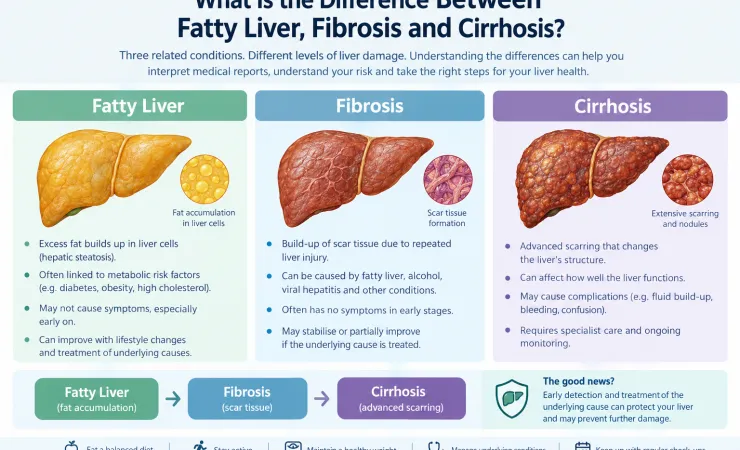
People in their 20s and 30s are now being diagnosed with fatty liver disease, liver inflammation, fibrosis, and even early-stage liver cirrhosis. The modern lifestyle, filled with unhealthy eating habits, stress, lack of physical activity, alcohol consumption, poor sleep patterns, and excessive processed food intake, is becoming a major contributor to declining liver health.
What makes this crisis more dangerous is that liver disease often develops silently. Many young adults remain unaware of the condition until serious complications appear.
In 2026, healthcare professionals are emphasizing the importance of awareness, early detection, and digital health monitoring to address this growing issue.
Why the Liver Is So Important
The liver is one of the most vital organs in the human body. It performs several important functions, including:
Filtering toxins from the blood
Processing nutrients
Supporting digestion
Storing energy
Regulating metabolism
Producing essential proteins
A healthy liver is essential for overall health. When liver function becomes impaired, it can affect multiple systems in the body.
Why Liver Disease Is Increasing in Young Adults
Modern lifestyles have changed dramatically over the past decade. Fast-paced routines, unhealthy diets, and high stress levels are placing enormous pressure on liver health.
1. Poor Dietary Habits
One of the biggest causes of liver disease today is unhealthy eating.
Young adults are increasingly consuming:
Fast food
Sugary beverages
Ultra-processed snacks
High-fat meals
Excessive sugar
These eating habits contribute to obesity and fatty liver disease, which can gradually progress into liver cirrhosis if left unmanaged.
Non-Alcoholic Fatty Liver Disease (NAFLD) is now becoming one of the most common liver disorders among younger populations.
2. Sedentary Lifestyle
Long working hours, remote jobs, screen addiction, and reduced physical activity are contributing to poor metabolic health.
Lack of exercise can lead to:
Weight gain
Diabetes
High cholesterol
Fat accumulation in the liver
Even moderate daily physical activity can significantly improve liver health and reduce disease risk.
3. Increasing Alcohol Consumption
Social drinking culture has become increasingly common among young adults. Weekend drinking, binge drinking, and regular alcohol consumption are causing early liver damage in many individuals.
Excessive alcohol intake can lead to:
Alcoholic fatty liver disease
Liver inflammation
Fibrosis
Liver cirrhosis
Many people underestimate how quickly alcohol-related liver damage can develop over time.
4. Stress and Poor Sleep
Chronic stress and sleep deprivation are becoming major health concerns in modern lifestyles.
High stress levels can indirectly affect liver health by contributing to:
Hormonal imbalance
Poor eating habits
Increased alcohol consumption
Weight gain
Reduced immunity
Studies also show that poor sleep patterns may negatively impact metabolic and liver function.
5. Rising Obesity and Diabetes
Obesity and Type 2 diabetes are strongly linked to liver disease.
Excess body fat and insulin resistance increase fat accumulation in the liver, raising the risk of:
Fatty liver disease
Liver inflammation
Fibrosis progression
Young adults with obesity often remain unaware that liver damage may already be developing silently.
The Silent Nature of Liver Disease
One of the most dangerous aspects of liver disease is that symptoms may not appear during early stages.
Common warning signs may include:
Fatigue
Weakness
Abdominal discomfort
Loss of appetite
Yellowing of eyes and skin
Swelling in the abdomen
Unexplained weight changes
Unfortunately, many young adults ignore these symptoms or assume they are temporary lifestyle issues.
By the time symptoms become severe, liver damage may already have progressed significantly.
The Importance of Early Detection
Early diagnosis can make a major difference in liver disease management.
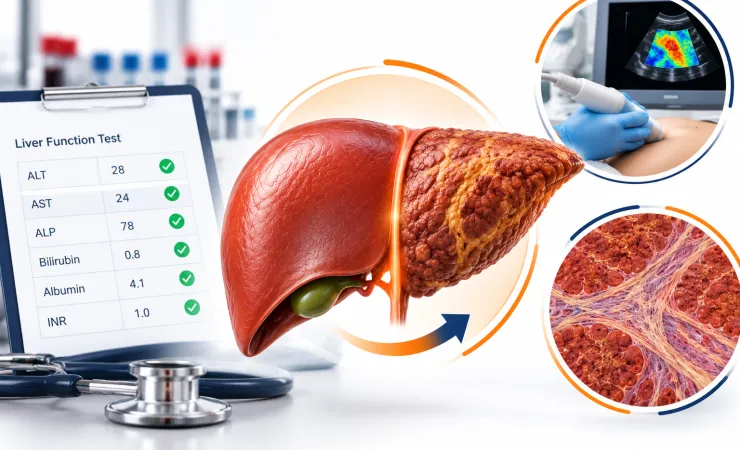
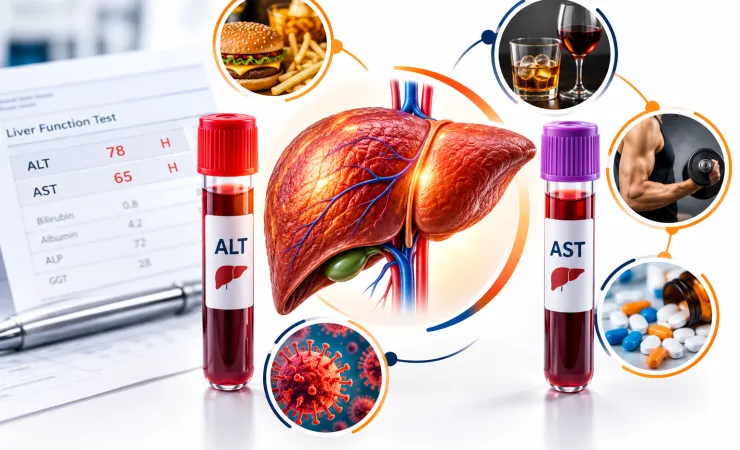
Regular health check-ups and liver function tests can help identify liver problems before complications occur. Lifestyle changes during early stages may even help reverse certain liver conditions.
Doctors now strongly recommend liver health monitoring for individuals with:
Obesity
Diabetes
High alcohol intake
Poor dietary habits
Family history of liver disease
How Digital Healthcare Is Helping Young Adults
Technology is playing an important role in improving liver disease awareness and monitoring.
Mobile healthcare applications now help patients:
Track medical records
Monitor symptoms
Maintain medication schedules
Receive health reminders
Access educational resources
Digital healthcare tools are encouraging people to become more proactive about liver health.
How LiverLytics Supports Better Liver Health Management
The LiverLytics app is helping patients and health-conscious individuals manage liver health more effectively in today’s digital healthcare environment.
Key Features of LiverLytics
Health Tracking
Users can organize and monitor important liver-related health information digitally.
Medication & Appointment Reminders
The app helps users stay consistent with medicines, routine tests, and doctor consultations.
Medical Report Management
Patients can securely maintain medical records and reports in one convenient place.
Educational Awareness
LiverLytics provides valuable information related to:
Liver cirrhosis
Fatty liver disease
Hepatitis
Liver-friendly lifestyle habits
Preventive healthcare
Early Awareness Support
Regular monitoring and reminders encourage users to identify health concerns earlier and seek timely medical guidance.
How Young Adults Can Protect Their Liver
Improving liver health often starts with simple lifestyle changes.
Healthy Habits for Better Liver Health
Eat balanced and nutritious meals
Reduce processed and sugary foods
Exercise regularly
Limit alcohol consumption
Stay hydrated
Maintain healthy body weight
Sleep adequately
Manage stress effectively
Schedule regular health check-ups
Small daily improvements can significantly reduce long-term liver disease risk.
Conclusion
The rise of liver disease among young adults is becoming a serious modern lifestyle crisis. Poor diet, alcohol consumption, stress, obesity, and inactive routines are contributing to increasing cases of fatty liver disease and liver cirrhosis worldwide.
The good news is that early awareness, preventive healthcare, and digital monitoring tools can help reduce these risks significantly.
Platforms like the LiverLytics app are empowering individuals to monitor their health, stay informed, and take proactive steps toward better liver care.
A healthier lifestyle today can protect your liver for the future.

“ Knowing is not enough; we must apply. Being willing is not enough; we must do. ”
— Leonardo da Vinci
Let’s Get in Touch
Your email address will not be published. Required fields are marked *
Recent Post

Looking for a Smarter Way to Track Liver Health?
Try it stress-free — We never modify medical data without your confirmation.

Comments :
Ooops!
No comments found.