Blog Post Details Page
06:33 AM | July 31, 2026 116 Views
What Blood Tests Detect Liver Disease?
The liver is one of the body's most important organs, carrying out more than 500 essential functions, including filtering toxins, producing bile, storing nutrients and helping regulate metabolism. Because the liver performs so many vital tasks, even mild damage can affect your overall health. Fortunately, blood tests can often provide the first indication that something may not be functioning normally.
If you've recently had a routine health check or are experiencing symptoms such as fatigue, jaundice or abdominal discomfort, your healthcare provider may recommend **blood tests to detect liver disease
: Diagnosis and Testing
Blood tests are often the first step in diagnosing liver disease, but they do not provide the complete picture. Doctors usually combine blood test results with your medical history, physical examination and imaging studies to determine the underlying cause and severity of liver disease.
Understanding what each blood test measures can help you have more informed discussions with your healthcare provider.
Liver Function Tests (LFTs)
"Liver Function Tests" (LFTs) are a group of blood tests that assess liver health. Despite the name, some of these tests measure liver injury rather than liver function.
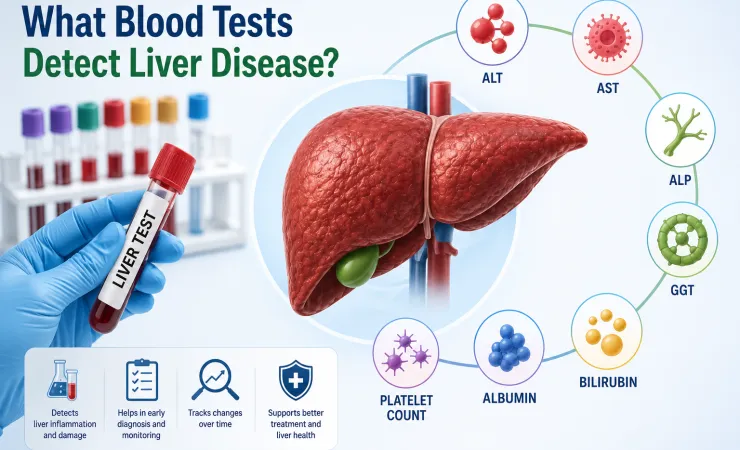
The most commonly requested liver blood tests include:
ALT (Alanine Aminotransferase)
AST (Aspartate Aminotransferase)
ALP (Alkaline Phosphatase)
GGT (Gamma-Glutamyl Transferase)
Bilirubin
Albumin
Prothrombin Time (PT) / International Normalised Ratio (INR)
Each test provides different information about the liver.
ALT (Alanine Aminotransferase)
ALT is an enzyme found mainly in liver cells. When these cells become damaged or inflamed, ALT is released into the bloodstream.
High ALT levels may indicate:
Fatty liver disease (MASLD/NAFLD)
Viral hepatitis
Alcohol-related liver disease
Drug-induced liver injury
Autoimmune hepatitis
ALT is often one of the earliest blood tests to become abnormal in liver disease. However, a normal ALT does not always mean the liver is healthy, particularly in people with advanced fibrosis or cirrhosis.
AST (Aspartate Aminotransferase)
AST is another enzyme released when liver cells are damaged. Unlike ALT, AST is also found in the heart, muscles and kidneys, so elevated levels are not specific to liver disease.
Doctors often compare the AST-to-ALT ratio, which may help identify certain liver conditions.
For example:
ALT is often higher than AST in early fatty liver disease.
AST may become higher than ALT in advanced alcohol-related liver disease.
ALP (Alkaline Phosphatase)
ALP is an enzyme found in the liver, bile ducts and bones.
Raised ALP levels may suggest:
Blocked bile ducts
Gallstones
Primary biliary cholangitis (PBC)
Primary sclerosing cholangitis (PSC)
Certain liver tumours
Because ALP is also produced by bones, doctors usually interpret it alongside other liver blood tests.
GGT (Gamma-Glutamyl Transferase)
GGT helps confirm whether a raised ALP is likely to be caused by liver or bile duct disease.
High GGT levels may occur in:
Alcohol-related liver disease
Fatty liver disease
Bile duct disorders
Some medication-related liver injuries
GGT is highly sensitive but not specific, meaning many conditions can increase its level.
Bilirubin
Bilirubin is a yellow pigment produced when red blood cells break down. A healthy liver processes bilirubin and removes it through bile.
High bilirubin levels may lead to:
Jaundice (yellow skin and eyes)
Dark urine
Pale stools
Itchy skin
Raised bilirubin can occur in liver disease, bile duct obstruction or conditions affecting red blood cells.
Albumin
Albumin is a protein produced by the liver that helps maintain fluid balance and transports hormones, vitamins and medicines around the body.
Low albumin levels may indicate:
Advanced liver disease
Cirrhosis
Malnutrition
Kidney disease
Chronic inflammation
Albumin is particularly useful for assessing how well the liver is functioning, rather than simply detecting liver injury.
Prothrombin Time (PT) and INR
The liver produces clotting proteins that help stop bleeding.
PT and INR measure how quickly blood clots.
A prolonged PT or elevated INR may suggest:
Reduced liver function
Vitamin K deficiency
Advanced cirrhosis
Doctors often use INR alongside albumin and bilirubin when assessing the severity of chronic liver disease.
Platelet Count
Although platelet count is not technically a liver function test, it is commonly included in liver investigations.
A low platelet count may indicate:
Portal hypertension
Enlarged spleen
Advanced liver fibrosis
Cirrhosis
Platelet count is frequently used when calculating fibrosis risk scores such as the FIB-4 Index.
Additional Blood Tests That May Be Needed
If routine liver blood tests are abnormal, your healthcare provider may request further investigations to identify the underlying cause.
These may include:
Viral Hepatitis Tests
To check for:
Hepatitis B
Hepatitis C
Autoimmune Blood Tests
These help diagnose autoimmune liver diseases such as:
Autoimmune hepatitis
Primary biliary cholangitis (PBC)
Primary sclerosing cholangitis (PSC)
Iron Studies
Iron tests help detect hereditary haemochromatosis, a genetic condition that causes excessive iron to accumulate in the liver.
Ceruloplasmin
This blood test may be used in younger patients to investigate Wilson disease, a rare inherited disorder involving copper accumulation.
Alpha-1 Antitrypsin Testing
Doctors may recommend this test if they suspect Alpha-1 Antitrypsin Deficiency, another inherited cause of liver disease.
Can Blood Tests Alone Diagnose Liver Disease?
A common misconception is that blood tests alone can confirm liver disease.
The answer is no.
Blood tests are an important screening tool, but they cannot diagnose every liver condition or determine the exact stage of liver damage.
For example:
Some people with fatty liver disease have completely normal liver enzyme levels.
Cirrhosis may be present even when ALT and AST are only mildly elevated.
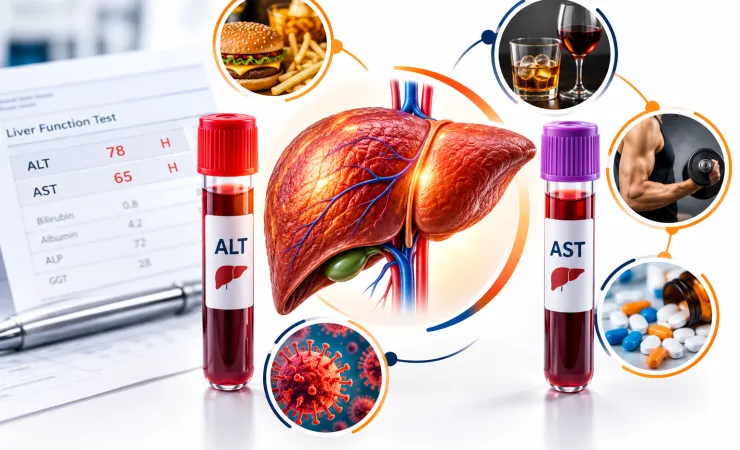
Liver enzymes can rise temporarily because of medications, strenuous exercise or viral infections.
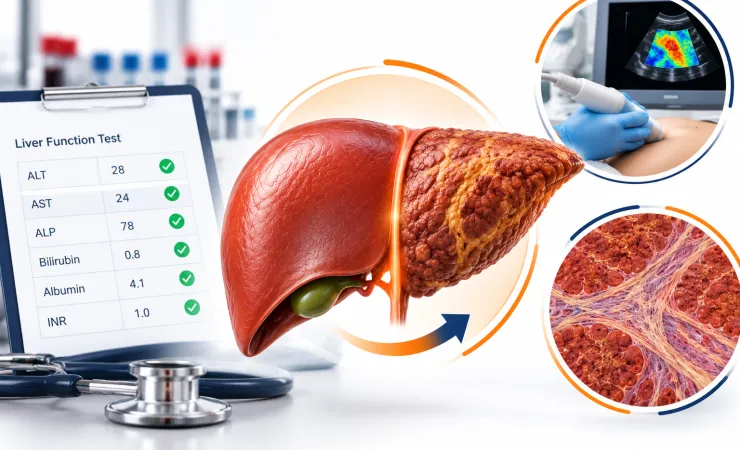
For this reason, doctors usually combine blood test results with:
Medical history
Physical examination
Ultrasound
FibroScan®
CT or MRI scans (when needed)
Occasionally, a liver biopsy
Understanding Your Blood Test Results
No single blood test tells the whole story.
Instead, healthcare professionals interpret the results together.
Blood Test
What It Indicates
ALT
Liver cell injury
AST
Liver or muscle injury
ALP
Bile duct problems
GGT
Liver or bile duct disease
Bilirubin
Liver function and bile flow
Albumin
Liver's protein-producing ability
PT/INR
Blood clotting and liver function
Platelets
Portal hypertension or advanced fibrosis
A combination of abnormal results often provides more useful information than a single elevated value.
Monitoring Liver Health Over Time
For people with chronic liver disease, tracking changes over time is often more valuable than focusing on one blood test result.
Healthcare providers may recommend regular monitoring of:
Liver Function Tests (LFTs)
Bilirubin
Albumin
INR
Platelet count
Kidney function
Sodium levels
MELD 3.0 score (for advanced liver disease)
FibroScan® results
Keeping these results organised can make follow-up appointments more productive. Patients managing chronic liver disease may find it helpful to use digital record-keeping tools such as the Liverlyticsmobile application to securely organise liver blood test results, monitor MELD 3.0 scores and sodium levels, review historical trends through visual graphs, compare results over custom date ranges and generate reports to share during healthcare consultations. These features support health record management and should not replace professional medical advice or treatment.
Practical Tips for Patients and Caregivers
Whether your liver blood tests are normal or abnormal, taking steps to support liver health can help reduce the risk of liver disease progression and improve overall wellbeing.
Follow a Healthy Diet
A balanced diet supports liver function and overall metabolic health. Aim to:
Eat plenty of vegetables, fruits and wholegrains.
Choose lean protein sources such as fish, poultry, beans and lentils.
Include healthy fats from olive oil, nuts and seeds.
Limit sugary drinks, processed foods and foods high in saturated fat.
Reduce salt intake if advised by your healthcare provider.
Maintain a Healthy Weight
Excess body weight, particularly around the abdomen, increases the risk of fatty liver disease. Gradual, sustainable weight loss can reduce liver fat and improve liver enzyme levels in many people.
Stay Physically Active
Aim for at least 150 minutes of moderate-intensity exercise each week, along with muscle-strengthening activities on two or more days. Regular exercise supports liver health even if significant weight loss is not achieved.
Avoid Excess Alcohol
Alcohol can worsen existing liver damage. If you have liver disease or abnormal liver blood tests, speak to your healthcare provider about whether you should reduce or avoid alcohol.
Take Medicines Safely
Always follow the prescribed dose of medicines and inform your healthcare provider about any over-the-counter medicines, vitamins or herbal supplements you use, as some products may affect the liver.
Attend Regular Follow-Up Appointments
If you have chronic liver disease, regular blood tests and imaging help monitor changes over time and allow treatment plans to be adjusted if necessary.
Common Mistakes and Misconceptions
Myth: Normal liver blood tests mean my liver is completely healthy.
Fact: Some people with fatty liver disease, fibrosis or even cirrhosis may have liver enzyme levels within the normal range. Blood tests are only one part of the assessment.
Myth: Elevated liver enzymes always mean severe liver disease.
Fact: Mildly raised liver enzymes can occur for many reasons, including certain medicines, viral infections or vigorous exercise. Further assessment is usually required before reaching a diagnosis.
Myth: Liver detox products improve liver function.
Fact: There is no strong scientific evidence that detox drinks, cleanses or supplements cure liver disease. Some products may even cause liver injury.
Myth: Blood tests alone diagnose liver disease.
Fact: Doctors often combine blood tests with imaging, medical history and, in some cases, liver biopsy to make an accurate diagnosis.
Myth: Liver disease only affects people who drink alcohol.
Fact: Many liver conditions, including MASLD (formerly NAFLD), viral hepatitis and autoimmune liver diseases, are unrelated to alcohol consumption.
When Should You Speak to a Doctor?
Arrange a medical review if you experience:
Persistent fatigue
Yellowing of the skin or eyes (jaundice)
Pain in the upper right side of the abdomen
Swollen abdomen or legs
Dark urine or pale stools
Persistent nausea or vomiting
Unexplained weight loss
Itchy skin without an obvious cause
Abnormal liver blood test results
A family history of liver disease
Seek urgent medical attention if you develop:
Vomiting blood
Black, tarry stools
Severe confusion or drowsiness
Sudden severe abdominal pain
Difficulty staying awake
Rapidly worsening jaundice
These symptoms may indicate serious liver complications that require immediate assessment.
Expert Insights
Many articles focus only on liver enzyme results, but liver disease assessment is far more comprehensive.
Healthcare professionals evaluate:
Trends in blood test results over time rather than a single result.
Your symptoms and medical history.
Metabolic risk factors such as obesity and diabetes.
Imaging findings from ultrasound or FibroScan®.
The presence of liver fibrosis or cirrhosis.
Overall liver function using tests such as albumin and INR.
For people with chronic liver disease, regular monitoring is essential. Organising liver blood test results, sodium levels, imaging reports and MELD 3.0 scores can make follow-up appointments more efficient. Digital tools such as theLiverlyticsmobile application can help patients securely store health records, review trends using visual graphs, compare results across custom date ranges and generate reports to support discussions with their healthcare team. These features are intended to assist with record-keeping and should not replace professional medical advice.
People Also Ask
What is the best blood test to detect liver disease?
There is no single best blood test. Doctors typically use a combination of ALT, AST, ALP, GGT, bilirubin, albumin and INR, alongside imaging and clinical assessment.
Can liver disease be detected with a routine blood test?
Yes. Routine Liver Function Tests (LFTs) may identify abnormalities that suggest liver disease, although further investigations are often needed.
Can liver disease exist with normal blood tests?
Yes. Some people with fatty liver disease or even advanced fibrosis may have normal liver enzyme levels.
What does a high ALT level mean?
A raised ALT level usually indicates liver cell injury or inflammation, but it does not identify the exact cause.
Are abnormal liver blood tests always serious?
Not necessarily. Temporary increases can occur due to medications, infections or strenuous exercise. Persistent abnormalities should always be assessed by a healthcare professional.
Which blood test measures liver function?
Albumin and INR provide valuable information about how well the liver is functioning, while ALT and AST mainly indicate liver cell injury.
Frequently Asked Questions
1. Can a blood test detect fatty liver disease?
Blood tests may suggest fatty liver disease, but imaging such as an ultrasound or FibroScan® is usually needed to confirm the diagnosis.
2. How often should liver blood tests be repeated?
The frequency depends on your condition. People with chronic liver disease may require regular monitoring as advised by their healthcare provider.
3. Can dehydration affect liver blood test results?
Yes. Dehydration and some temporary illnesses can influence certain blood test values, although persistent abnormalities require further evaluation.
4. Should I fast before liver blood tests?
Most liver blood tests do not require fasting, but some additional tests, such as cholesterol or glucose measurements, may. Follow your healthcare provider's instructions.
5. Can medications raise liver enzymes?
Yes. Certain prescription medicines, herbal supplements and over-the-counter drugs may affect liver blood test results.
6. Is one abnormal liver test enough to diagnose liver disease?
No. Doctors interpret multiple blood tests together with imaging, symptoms and medical history.
7. Can liver blood tests return to normal?
Yes. If the underlying cause is treated, liver enzyme levels may improve or return to the normal range in many people.
8. What happens if my liver blood tests remain abnormal?
Your healthcare provider may recommend repeat blood tests, imaging, specialist referral or additional investigations to determine the cause.
Key Takeaways
Liver blood tests are an important first step in detecting liver disease.
Liver Function Tests (LFTs) measure liver enzymes, proteins and clotting factors.
ALT and AST indicate liver cell injury, while albumin and INR assess liver function.
Blood tests alone cannot diagnose every liver condition.
Imaging such as ultrasound or FibroScan® is often required.
Early diagnosis improves treatment outcomes.
Regular monitoring helps detect changes before complications develop.
Healthy lifestyle choices support long-term liver health.
Conclusion
Blood tests play a vital role in identifying potential liver problems, often before symptoms appear. While abnormal results can indicate liver injury or impaired liver function, they do not always provide a complete diagnosis. Healthcare professionals interpret blood tests alongside your medical history, symptoms and imaging studies to understand the underlying cause and determine the most appropriate treatment.
If your liver blood tests are abnormal, do not panic. Many liver conditions, including fatty liver disease, can be managed effectively when detected early. Following medical advice, attending regular follow-up appointments and maintaining a healthy lifestyle are key steps in protecting your liver and overall health.

“ People find pleasure in different ways. I find it in keeping my mind clear. ”
— Marcus Aurelius
Let’s Get in Touch
Your email address will not be published. Required fields are marked *
Recent Post

Looking for a Smarter Way to Track Liver Health?
Try it stress-free — We never modify medical data without your confirmation.

Comments :
Ooops!
No comments found.