Blog Post Details Page
12:29 PM | July 31, 2026 148 Views
What Vitamins Are Important for a Healthy Liver?
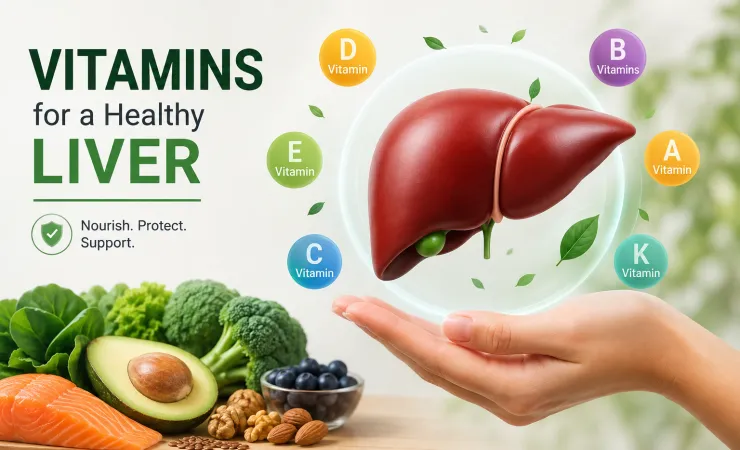
Your liver is one of the hardest-working organs in your body, carrying out more than 500 essential functions every day. It helps remove toxins, processes nutrients, produces bile for digestion, stores vitamins and minerals, and plays a vital role in metabolism. To perform these tasks efficiently, the liver relies on a steady supply of essential nutrients, including several important vitamins.
Many people wonder whether taking vitamins can improve liver health or even help repair liver damage. While vitamins are essential for normal liver function, they are not a cure for liver disease. Instead, a balanced diet rich in nutrients supports healthy liver function and may help reduce the risk of certain liver conditions. In some cases, people with chronic liver disease may develop vitamin deficiencies that require medical assessment and treatment.
In this article, you'll learn what vitamins are important for a healthy liver, how they support liver function, the best dietary sources, whether supplements are beneficial, and when you should seek medical advice.
What Vitamins Are Important for a Healthy Liver?
Definition
Vitamins are organic nutrients that the body requires in small amounts to carry out essential biological processes. The liver plays a key role in storing, activating and metabolising many vitamins, making adequate vitamin intake important for maintaining normal liver function.
Certain vitamins contribute to:
Energy production
Antioxidant protection
Immune system function
Blood clotting
Fat metabolism
Tissue repair
Cell growth and regeneration
Although vitamins support overall liver health, they cannot reverse advanced liver damage on their own. Healthy lifestyle choices and appropriate medical care remain the foundation of liver disease management.
Why Vitamins Matter for Liver Health
The liver depends on vitamins to perform many of its everyday functions. Some vitamins act as tioxidants, helping to protect liver cells from damage caused by oxidative stress, while others support enzyme activity, immune function and the metabolism of carbohydrates, fats and proteins.
For example:
Vitamin D supports immune regulation and bone health, which can be affected in chronic liver disease.
Vitamin E acts as an antioxidant that helps protect liver cells from oxidative damage.
B vitamins help convert food into energy and support normal liver metabolism.
Vitamin C contributes to collagen production and antioxidant defence.
Vitamin K is essential for normal blood clotting, which may be affected in advanced liver disease.
Vitamin A supports immune function and vision but should be used cautiously in people with liver disease because excessive amounts can be harmful.
Rather than focusing on a single vitamin, healthcare professionals generally recommend obtaining a wide range of nutrients through a balanced diet.
Key Facts About Vitamins and Liver Health
Here are some important evidence-based facts:
The liver stores several fat-soluble vitamins, including vitamins A, D, E and K.
Chronic liver disease can affect how the body stores and uses certain vitamins.
Vitamin deficiencies are more common in people with cirrhosis, cholestatic liver disease and alcohol-related liver disease.
A balanced diet is the preferred source of vitamins for most people.
High-dose vitamin supplements should not be taken without medical advice, as excessive amounts of some vitamins—particularly vitamin A—may damage the liver.
No vitamin supplement has been proven to cure liver disease.
Healthcare providers may recommend supplements if blood tests confirm a deficiency or if dietary intake is inadequate.
Symptoms, Causes and Risk Factors
Common Symptoms of Vitamin Deficiencies
Vitamin deficiencies may develop gradually and often produce non-specific symptoms. Depending on the vitamin involved, symptoms can include:
ersistent fatigue
Muscle weakness
Poor wound healing
Frequent infections
Easy bruising or bleeding
Bone pain
Tingling or numbness in the hands and feet
Dry skin
Vision problems, especially at night
Difficulty concentrating
These symptoms can also be caused by many other medical conditions, so proper assessment by a healthcare professional is important.
Main Causes of Vitamin Deficiencies
Several factors can increase the risk of vitamin deficiencies, including:
Poor dietary intake
Chronic liver disease
Alcohol-related liver disease
Fat malabsorption disorders
Inflammatory bowel disease
Coeliac disease
Certain medications
Bariatric surgery
Older age
People with advanced liver disease may have difficulty absorbing or storing fat-soluble vitamins such as A, D, E and K, making nutritional monitoring particularly important.
Risk Factors for Poor Liver Health
While vitamins support liver function, overall lifestyle plays a much larger role in maintaining a healthy liver.
Common risk factors for liver disease include:
Obesity
Type 2 diabetes
High cholesterol
High blood pressure
Excessive alcohol consumption
Viral hepatitis (hepatitis B or C)
Smoking
Sedentary lifestyle
Diet high in processed foods and added sugars
Family history of liver disease
Certain inherited liver disorders
Addressing these risk factors through healthy eating, regular physical activity and routine medical care is often more beneficial than relying on vitamin supplements alone.
Diagnosis and Testing
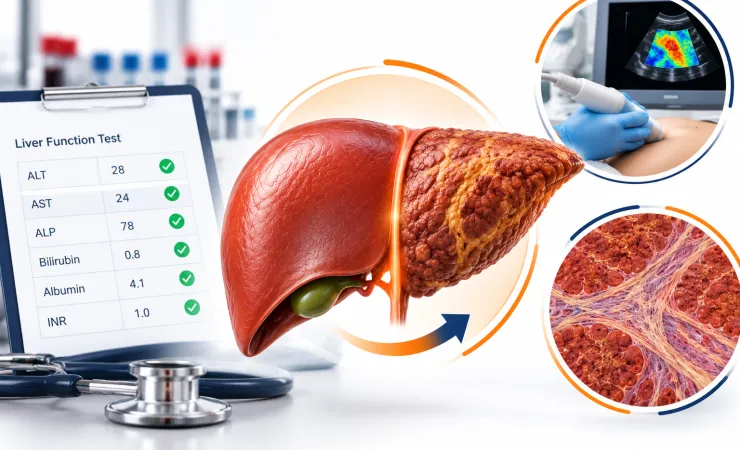
If a healthcare provider suspects a vitamin deficiency or underlying liver disease, they will assess your symptoms, medical history, dietary habits and lifestyle. Blood tests and imaging may also be recommended to evaluate liver function and nutritional status.
Early diagnosis can help identify deficiencies before complications develop and guide appropriate treatment.
Diagnostic Methods
Healthcare professionals may recommend the following tests:
Blood Tests
Common blood tests include:
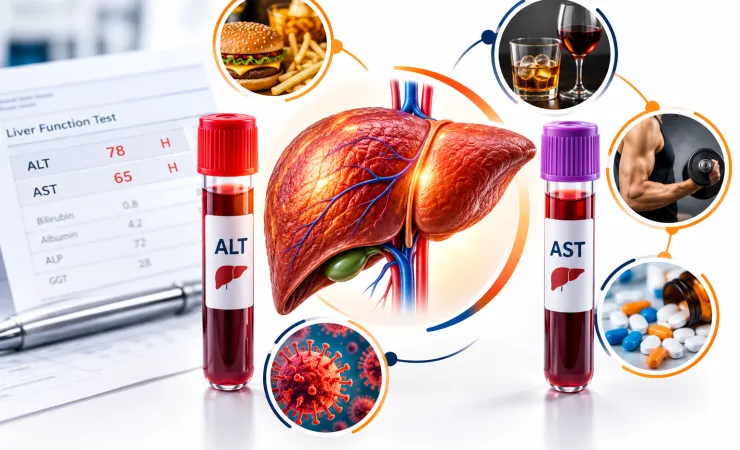
Liver Function Tests (ALT, AST, ALP, GGT)
Bilirubin
Albumin
Prothrombin Time (PT/INR)
Complete Blood Count (CBC)
Vitamin D level
Vitamin B12 and Folate
Iron studies (if indicated)
Blood glucose and HbA1c
Lipid profile
If liver disease is suspected, additional tests may be ordered to identify the underlying cause, such as viral hepatitis screening or autoimmune liver disease tests.
Imaging Tests
Depending on your symptoms and blood test results, your healthcare provider may recommend:
Ultrasound – Detects fatty liver and structural changes.
FibroScan® (Transient Elastography) – Measures liver stiffness to assess fibrosis.
MRI or CT Scan – Used when more detailed imaging is required.
Understanding Results
Abnormal liver enzyme levels do not always indicate severe liver disease, and normal results do not completely rule it out. Doctors interpret blood tests together with imaging findings, symptoms and medical history to make an accurate diagnosis.
Treatment and Management
Maintaining adequate vitamin levels is important for overall health, but supplements should only be taken when medically indicated. For most people, a balanced diet provides the vitamins needed to support normal liver function.
Treatment focuses on correcting deficiencies, managing any underlying liver condition and adopting healthy lifestyle habits.
Vitamin D
Vitamin D is essential for bone health, immune function and muscle strength. Low vitamin D levels are common in people with chronic liver disease and may also occur in those with obesity or limited sun exposure.
Food Sources
Oily fish (salmon, sardines, mackerel)
Egg yolks
Fortified milk and cereals
Mushrooms exposed to UV light
If a deficiency is confirmed through blood tests, your healthcare provider may recommend vitamin D supplements.
Vitamin E
Vitamin E is a powerful antioxidant that helps protect cells from oxidative stress.
Some clinical guidelines suggest that vitamin E supplementation may be considered in selected adults with non-diabetic non-alcoholic steatohepatitis (NASH) under specialist supervision. However, it is not recommended for everyone, and long-term supplementation should only be used on medical advice.
Food Sources
Almonds
Sunflower seeds
Hazelnuts
Spinach
Avocados
Vegetable oils
B Vitamins
The B-vitamin group supports energy production, nerve function and normal metabolism.
Important B vitamins include:
Vitamin B1 (Thiamine)
Vitamin B2 (Riboflavin)
Vitamin B3 (Niacin)
Vitamin B6
Vitamin B9 (Folate)
Vitamin B12
People with alcohol-related liver disease are at increased risk of B-vitamin deficiencies, particularly thiamine deficiency.
Food Sources
Wholegrains
Eggs
Dairy products
Fish
Poultry
Beans
Lentils
Leafy green vegetables
Vitamin C
Vitamin C supports immune function, collagen production and antioxidant protection.
Although it contributes to overall health, there is no evidence that high-dose vitamin C supplements cure liver disease.
Food Sources
Oranges
Strawberries
Kiwi fruit
Bell peppers
Tomatoes
Broccoli
Vitamin A
Vitamin A supports:
Vision
Immune function
Healthy skin
Cell growth
However, excessive vitamin A intake can damage the liver. People with liver disease should avoid high-dose vitamin A supplements unless specifically prescribed.
Food Sources
Carrots
Sweet potatoes
Spinach
Kale
Liver (consumed in moderation)
Vitamin K
Vitamin K plays an essential role in blood clotting and bone health.
People with advanced liver disease or cholestatic liver disorders may develop vitamin K deficiency because of reduced fat absorption.
Food Sources
Spinach
Kale
Broccoli
Brussels sprouts
Cabbage
Best Foods for Liver Health
Instead of relying on supplements, most healthcare professionals recommend obtaining vitamins through a nutritious, balanced diet.
Foods that support liver health include:
Leafy green vegetables
Fresh fruit
Wholegrains
Beans and lentils
Nuts and seeds
Oily fish
Olive oil
Lean poultry
Low-fat dairy products
A Mediterranean-style eating pattern is widely recommended because it provides a variety of essential nutrients while supporting metabolic health.
Lifestyle Management
Healthy lifestyle habits are just as important as adequate vitamin intake.
Maintain a Healthy Weight
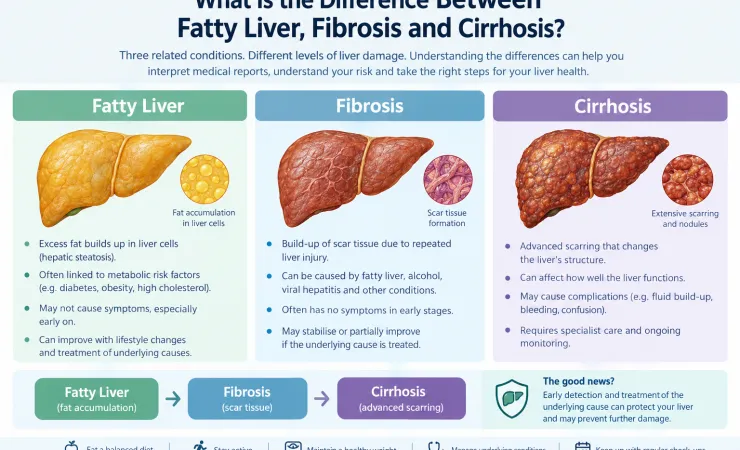
Losing excess weight gradually can reduce liver fat and improve liver function in people with fatty liver disease.
Exercise Regularly
Aim for at least 150 minutes of moderate-intensity physical activity each week, combined with muscle-strengthening exercises on two or more days.
Limit Alcohol
If you have liver disease, discuss alcohol intake with your healthcare provider. In many cases, avoiding alcohol is recommended.
Avoid Smoking
Smoking increases oxidative stress and contributes to several chronic diseases, including some liver conditions.
Manage Other Medical Conditions
Controlling diabetes, high blood pressure and high cholesterol helps reduce the risk of liver disease progression.
: Monitoring Progress
People with chronic liver disease often require regular monitoring to assess liver health and nutritional status.
Your healthcare provider may recommend:
Liver Function Tests
Vitamin D monitoring (when indicated)
Blood glucose
Cholesterol levels
Weight and BMI
FibroScan® assessments
Ultrasound examinations
MELD 3.0 score (for advanced liver disease)
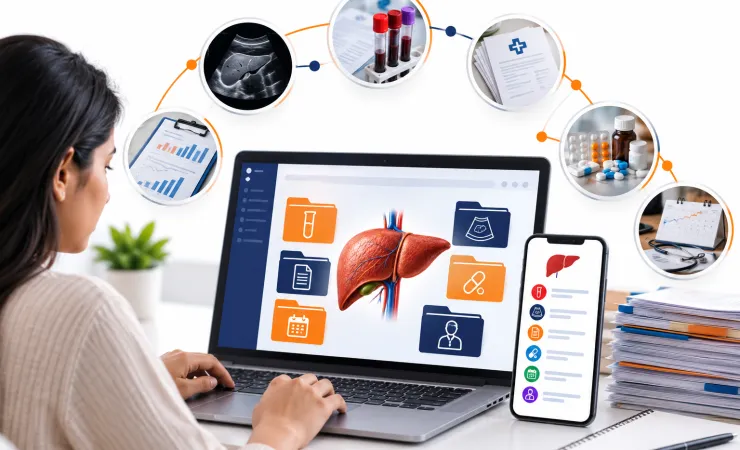
Patients managing chronic liver disease often benefit from keeping organised records of their health information. Digital tools such as theLiverlytics mobile application can help users track liver blood test results, monitor sodium levels and MELD 3.0 scores where appropriate, review historical trends using visual graphs, compare results over custom date ranges and generate reports that may support more informed discussions during healthcare appointments. These features are designed to assist with health record organisation and should not replace professional medical advice.
Practical Tips for Patients and Caregivers
Supporting liver health is about more than taking vitamins. Healthy lifestyle habits, regular medical care and a balanced diet work together to help your liver function at its best.
Eat a Nutrient-Rich Diet
Aim to include a variety of foods that naturally provide essential vitamins and minerals.
Choose:
Colourful fruits and vegetables
Wholegrains
Lean protein such as fish, chicken, beans and lentils
Healthy fats from olive oil, nuts and seeds
Low-fat dairy products
A varied diet is usually more beneficial than relying on supplements alone.
Avoid Unnecessary Supplements
Many over-the-counter products claim to "cleanse" or "detox" the liver. However, there is no strong scientific evidence that these products improve liver health. Some herbal supplements may even cause liver injury.
Always consult a healthcare professional before starting any vitamin or herbal supplement.
Maintain a Healthy Weight
Being overweight or obese increases the risk of metabolic dysfunction-associated steatotic liver disease (MASLD). Gradual weight loss through healthy eating and regular exercise can help reduce liver fat and improve overall health.
Stay Active
Aim for at least 150 minutes of moderate-intensity physical activity each week, such as:
Brisk walking
Cycling
Swimming
Resistance training
Physical activity supports liver health, even without significant weight loss.
Limit Alcohol
If you have liver disease or abnormal liver tests, your healthcare provider may advise reducing or avoiding alcohol to prevent further liver damage.
Attend Regular Health Checks
Routine blood tests and follow-up appointments can help monitor liver function, identify nutritional deficiencies and detect complications early.
Common Mistakes and Misconceptions
h: Taking more vitamins will make my liver healthier.
Fact: More is not always better. Excessive amounts of certain vitamins, particularly vitamin A, can damage the liver. Supplements should only be taken if recommended by a healthcare professional.
Myth: Vitamin supplements can cure liver disease.
Fact: Vitamins support normal liver function but do not cure liver disease. Treatment depends on addressing the underlying cause, such as fatty liver disease, viral hepatitis or alcohol-related liver disease.
Myth: Liver detox products are medically proven.
Fact: There is no high-quality scientific evidence that detox drinks, cleanses or herbal remedies improve liver function. Some products have been linked to liver injury.
Myth: Healthy people do not need to think about liver health.
Fact: Maintaining a healthy weight, eating a balanced diet and limiting alcohol are important for everyone, not just people with diagnosed liver disease.
Myth: If I eat well, I will never develop a vitamin deficiency.
Fact: Certain medical conditions, medications and chronic liver diseases can affect how the body absorbs, stores or uses vitamins, even in people with a healthy diet.
When Should You Speak to a Doctor?
Speak to a healthcare professional if you experience:
Persistent fatigue
Yellowing of the skin or eyes (jaundice)
Pain or discomfort in the upper right abdomen
Swelling in the legs or abdomen
Unexplained weight loss
Persistent nausea
Easy bruising or bleeding
Dark urine or pale stools
Ongoing itching
Abnormal liver blood test results
Seek urgent medical attention if you develop:
Vomiting blood
Black, tarry stools
Severe confusion or drowsiness
Rapidly worsening jaundice
Severe abdominal pain
Difficulty staying awake
These symptoms may indicate advanced liver disease or other serious medical conditions.
Expert Insights
A common gap in many articles is the assumption that vitamin supplements are the key to liver health. In reality, nutrition is only one part of maintaining a healthy liver.
Healthcare professionals focus on the overall picture, including:
Maintaining a healthy body weight
Controlling diabetes and cholesterol
Reducing alcohol intake
Treating underlying liver conditions
Monitoring liver function regularly
Correcting confirmed vitamin deficiencies when necessary
For people living with chronic liver disease, keeping track of blood test results, imaging reports and clinical measurements over time can support better communication with healthcare providers. Digital tools such as the Liverlytics mobile application allow users to organise liver health records, monitor sodium levels and MELD 3.0 scores where relevant, review trends using visual graphs and generate reports that may assist during medical consultations. These features are intended for record-keeping and should not replace professional medical advice or treatment.
People Also Ask
What is the best vitamin for liver health?
There is no single "best" vitamin. Vitamins D, E, B vitamins, C, A and K all contribute to normal liver function, but they work together as part of a balanced diet.
Can vitamins repair liver damage?
Vitamins support overall liver health but cannot repair significant liver damage on their own. Treatment depends on the underlying cause and stage of liver disease.
Is vitamin E good for fatty liver disease?
Vitamin E may benefit selected adults with non-diabetic non-alcoholic steatohepatitis (NASH) under specialist supervision, but it is not suitable for everyone.
Should I take vitamin D if I have liver disease?
Many people with chronic liver disease have low vitamin D levels. Supplements should only be taken if recommended by a healthcare professional after appropriate assessment.
Can too many vitamins harm the liver?
Yes. High doses of certain vitamins, particularly vitamin A, may cause liver damage. Always follow medical advice when taking supplements.
Which foods provide vitamins that support liver health?
Leafy green vegetables, fruits, wholegrains, oily fish, nuts, seeds, legumes and dairy products provide many of the vitamins needed for normal liver function.
Frequently Asked Questions
1. Can a healthy diet provide all the vitamins my liver needs?
For most healthy adults, yes. A balanced diet usually provides sufficient vitamins without the need for supplements.
2. Are liver supplements necessary?
Not usually. Most people do not need liver supplements unless a healthcare professional identifies a specific deficiency or medical reason.
3. Does vitamin C cleanse the liver?
No. Vitamin C supports normal immune function and acts as an antioxidant, but it does not detoxify or cleanse the liver.
4. Can vitamin deficiencies cause liver problems?
Severe or prolonged vitamin deficiencies may affect overall health and liver function, but they are rarely the sole cause of liver disease.
5. Which vitamin deficiency is most common in chronic liver disease?
Vitamin D deficiency is one of the most common deficiencies observed in people with chronic liver disease.
6. Are multivitamins safe for people with liver disease?
Not always. Some multivitamins contain high amounts of vitamin A or other nutrients that may not be suitable for everyone. Consult your healthcare provider before taking them.
7. Should I avoid vitamin A if I have liver disease?
People with liver disease should avoid high-dose vitamin A supplements unless prescribed by a healthcare professional.
8. How often should vitamin levels be checked?
Testing depends on your medical history, symptoms and underlying liver condition. Your healthcare provider will advise if monitoring is required.
Key Takeaways
Vitamins D, E, B vitamins, C, A and K all support normal liver function.
Most people can obtain these nutrients from a balanced diet.
Vitamin supplements should only be used when medically indicated.
Excessive intake of some vitamins, particularly vitamin A, can harm the liver.
Healthy eating, regular exercise and maintaining a healthy weight are essential for long-term liver health.
Chronic liver disease may increase the risk of vitamin deficiencies.
Routine monitoring and early medical advice help protect liver health.
Conclusion
Vitamins play an important role in supporting normal liver function, but they are only one part of maintaining a healthy liver. A balanced diet rich in nutrient-dense foods, regular physical activity, maintaining a healthy weight and avoiding excessive alcohol remain the most effective ways to protect liver health.
If you have chronic liver disease or suspect a vitamin deficiency, seek advice from a qualified healthcare professional rather than self-prescribing supplements. With appropriate nutrition, medical care and regular monitoring, many people can successfully support their liver health and reduce the risk of complications.
What Vitamins Are Important for a Healthy Liver?

“ Nothing worth having comes easy. ”
— Theodore Roosevelt
Let’s Get in Touch
Your email address will not be published. Required fields are marked *
Recent Post
Looking for a Smarter Way to Track Liver Health?
Try it stress-free — We never modify medical data without your confirmation.

Comments :
Ooops!
No comments found.